Rotavirus Resurgence: CDC Reports Highest Infection Rates Since April 2023, Widespread Outbreak Across U.S.

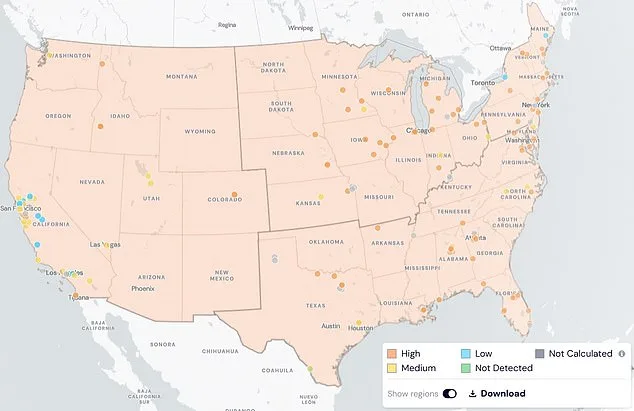
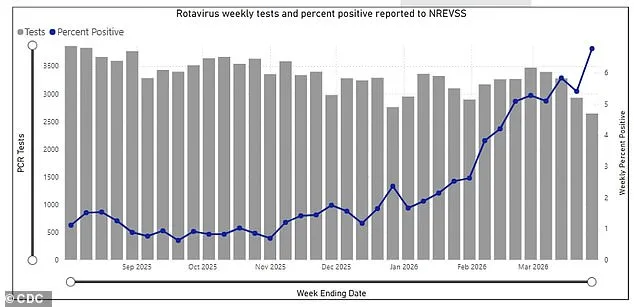
A highly contagious and largely overlooked virus, rotavirus, is experiencing a dramatic resurgence across the United States, with infection rates reaching their highest levels since April 2023, according to the Centers for Disease Control and Prevention (CDC). The latest data, covering the week ending March 28, reveals a positivity rate of 6.77 percent in diagnostic tests, a 24 percent increase compared to the prior seven-day period. This surge is not isolated to a single region; wastewater surveillance data indicates that rotavirus levels are now classified as "high" across all four major U.S. regions, signaling a widespread and concerning trend.

Rotavirus, a leading cause of severe diarrhea in children, infects approximately 2.7 million Americans annually. The virus typically peaks during colder months, as close contact in indoor settings facilitates its spread. However, current levels are defying seasonal norms, with infections rising even as temperatures begin to warm. The virus spreads easily through contact with contaminated surfaces, often via fecal-oral transmission, making daycare centers, schools, and households particularly vulnerable. Infants and young children are at greatest risk, as the infection can cause severe, watery diarrhea and vomiting that may lead to life-threatening dehydration.
Before the introduction of the rotavirus vaccine in 1998, the virus was responsible for up to 70,000 hospitalizations and 20 to 60 deaths annually in children under five years old. Vaccination has since dramatically reduced these figures, but recent policy shifts may threaten progress. In January 2024, Robert F. Kennedy Jr.'s advisory panel recommended that the rotavirus vaccine be made optional, requiring a "shared clinical decision-making" process between parents and doctors. This recommendation, which contradicts longstanding public health guidelines, has sparked concern among medical experts.
Current vaccination rates for children under eight months old stand at 74 percent, a figure that may be under pressure if the new policy gains traction. The CDC reports that rotavirus levels have risen every week since early January, with the exception of one week. Wastewater data from WastewaterSCAN shows a 21 percent surge in the Northeast and South between March 24 and April 1, with the Northeast now registering the highest levels in the U.S. for at least 24 months. While the West maintains stable but "high" levels, particularly in the Bay Area and San Diego, the South has seen a 23 percent decline over the latest seven-day period, though levels remain elevated.

Symptoms of rotavirus infection typically appear within two days of exposure and include severe diarrhea, vomiting, fever, and abdominal pain. These symptoms can persist for up to eight days and may progress to dehydration, a condition marked by decreased urination, dry mouth, dizziness, and unusual sleepiness. There is no specific antiviral treatment, but rehydration therapy is critical. In severe cases, hospitalization and intravenous fluid administration may be necessary.
Public health officials are urging caution, emphasizing that vaccination remains the most effective tool for prevention. The CDC and other health agencies continue to recommend routine immunization, particularly for infants. As rotavirus levels remain "high" across all U.S. regions, the potential for further complications looms, especially among vulnerable populations. The interplay between policy decisions and public health outcomes will be closely monitored as the situation evolves.
Photos