Roman Monk Bones Uncovered at Westminster Abbey
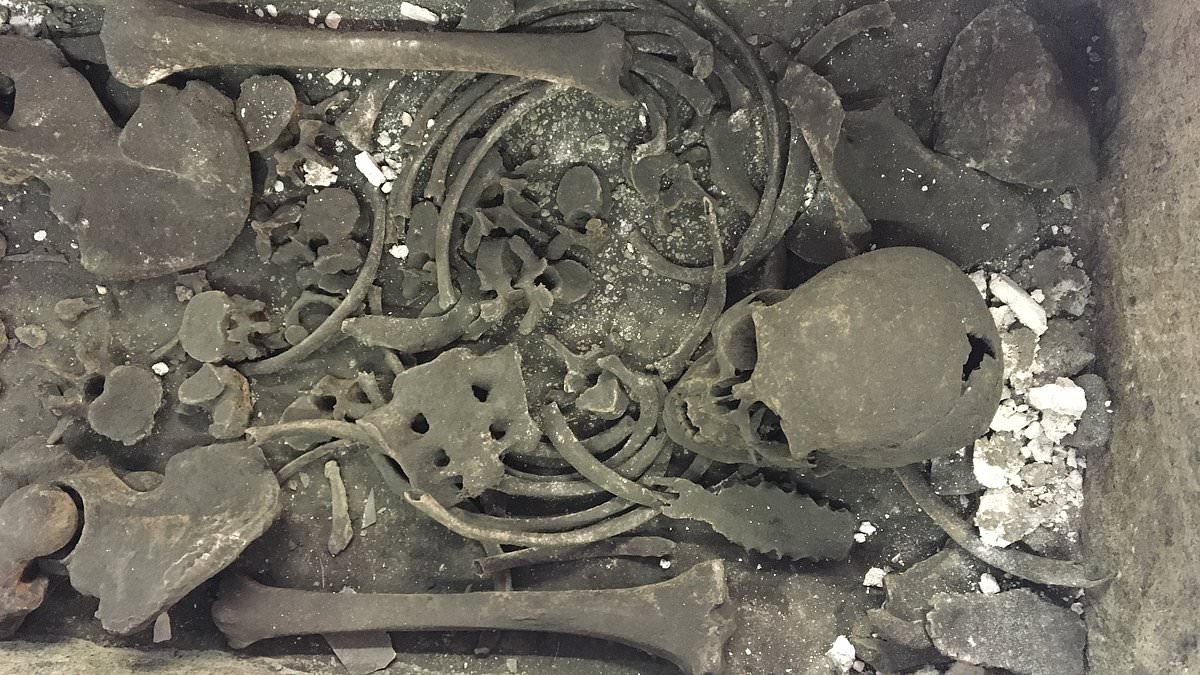
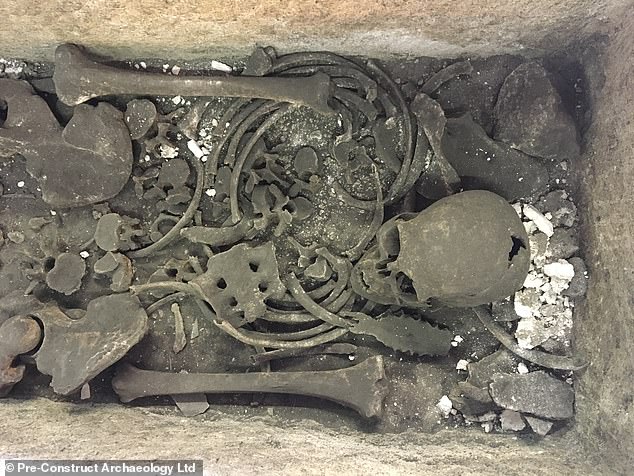
A mystery buried for more than a century and a half has finally received an answer. Experts now believe the bones found inside a Roman sarcophagus at Westminster Abbey belong to a high-ranking medieval monk rather than the wealthy man named Valerius Amandinus originally thought. The remains were unearthed in 1869 after workmen accidentally smashed the stone lid into six pieces back in 1820.
The initial inscription on the tomb suggested it held someone who lived in London between 300 and 400 AD. Yet a Latin cross carved onto the coffin lid points to a much later date, likely the tenth or eleventh century. This contradiction led archaeologists to rethink the identity of the occupant. Professor Warwick Rodwell, who serves as Consultant Archaeologist at Westminster Abbey, stated that two specific candidates remain viable options for this ancient burial.
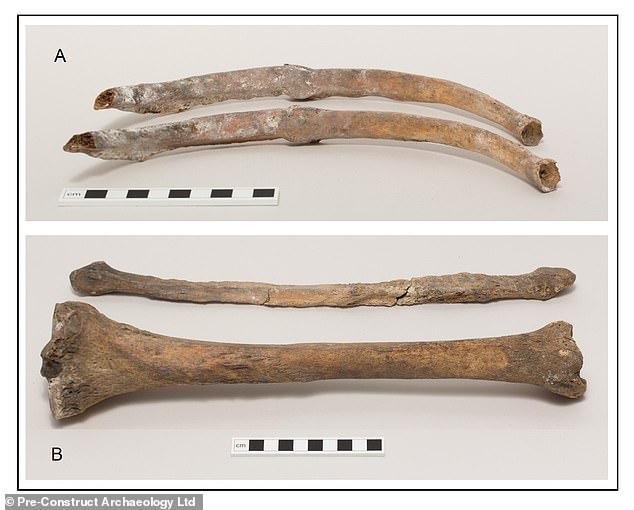
The skeleton itself belongs to a man standing around 5ft 9in tall who passed away between the ages of 35 and 49. The research team has narrowed the field down to Aelfwig or Wulnoth. Aelfwig served as an Abbot at Westminster Abbey before dying around 1020, while his successor Wulnoth held that post until 1049. Both men fit the physical profile and the timeline required for someone who died close to age fifty after starting their role in their early twenties.
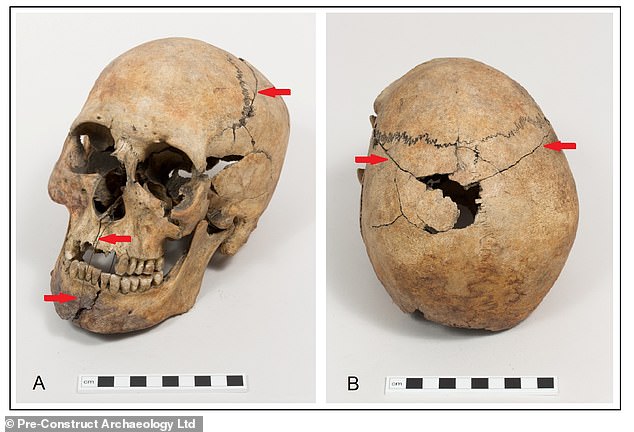
Professor Rodwell noted that finding Aelfwig already established as a monk of Westminster might give him the slight edge. The key clue lies in the grandeur of the burial itself. Such an honorific sarcophagus was reserved for important figures, not just any resident. It appears the original wooden coffin containing the monk decayed over seven centuries inside the stone casket. Workers later re-carved the lid to feature a large Latin cross, creating an early example of recycling sacred vessels.
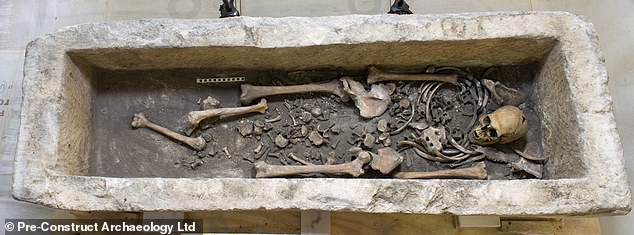
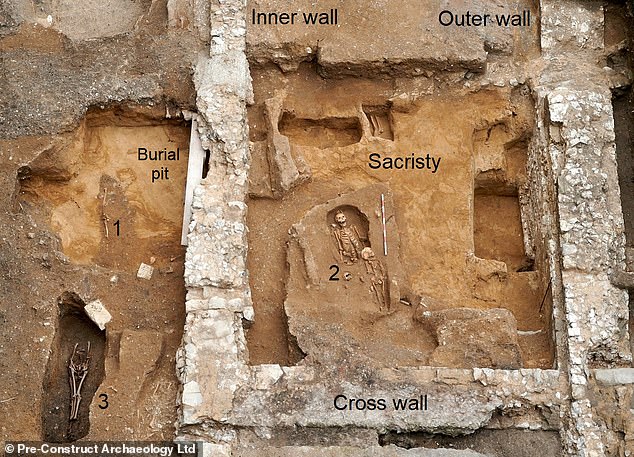
During recent excavations in 2019, researchers also identified the outline of a rectangular structure marked by white lime residue. This substance was traditionally used for burials, yet no physical traces of that timber coffin remain today because it completely rotted away. The sarcophagus now sits on public display within the Queen's Diamond Jubilee Galleries at Westminster Abbey.
Photos