Rising Inflation and Cost of Living Test Trump's Economic Promise
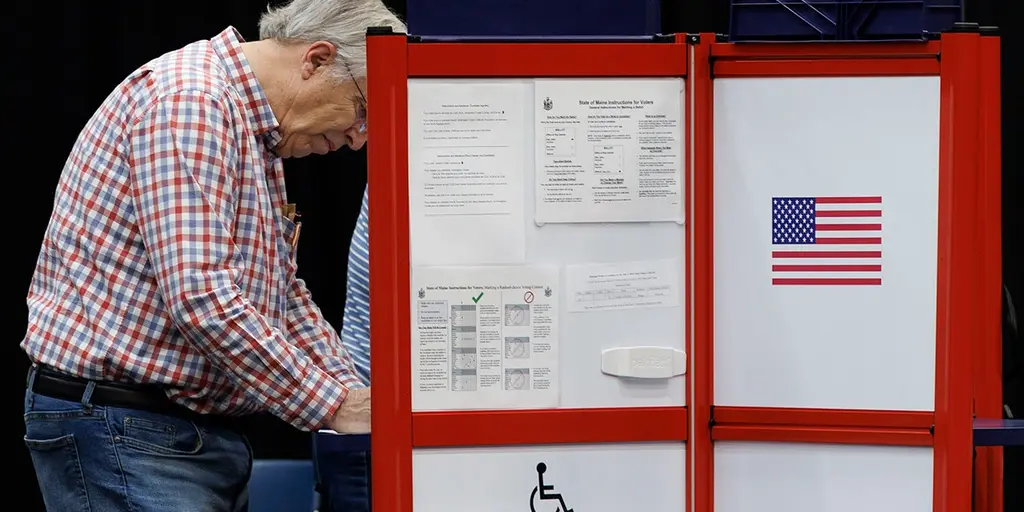
Tuesday’s vote is less about abstract policy and more about the wallet. Voters are looking at a mixed bag: stock markets are soaring, yet the cost of living is squeezing households from every angle. Gasoline, groceries, and housing all feel heavier than they did two years ago. President Donald Trump campaigned hard on economic revival in 2024. Now, nearly two years into his second term, the reality on the ground looks different. Fuel prices have spiked. Inflation has picked up speed. Buying a house remains a financial hurdle for most Americans. These pressures are testing the Republican promise of affordability just as control of Congress hangs in the balance.
The numbers tell a specific story. The latest inflation report indicates consumer prices climbed 3.7% over the year leading up to September. That’s a 0.6% jump from August alone. The Consumer Price Index tracks the broad range of household expenses, from medical care to transportation. Trade policy played a significant role in driving those costs up. A study by the New York Federal Reserve found that Trump’s tariffs added approximately 2.9 percentage points to prices across the consumer goods they examined.

It isn’t just imported goods getting pricier. About one-third of that price increase came from U.S.-made products. Domestic manufacturers faced higher costs for imported materials and components under the current administration’s agenda. They passed those costs on. The impact varies by household, of course. But these figures offer a clear snapshot of the price pressures voters are feeling right now. They show how costs have shifted, even if they don’t reveal exactly how voters will assign blame.

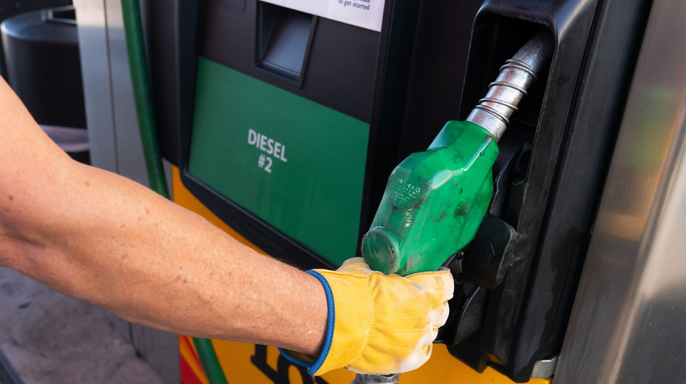
Energy costs are another major headache. Wars in Iran and Ukraine have disrupted global fuel supplies, putting strain on both households and businesses. Diesel prices have surged. Data from the U.S. Energy Information Administration shows diesel climbing from about $3.45 per gallon in early 2025 to a peak of $6.53 in October 2026. That spike matters far beyond the truck stop. Trucks, freight trains, and farm equipment all run on diesel.
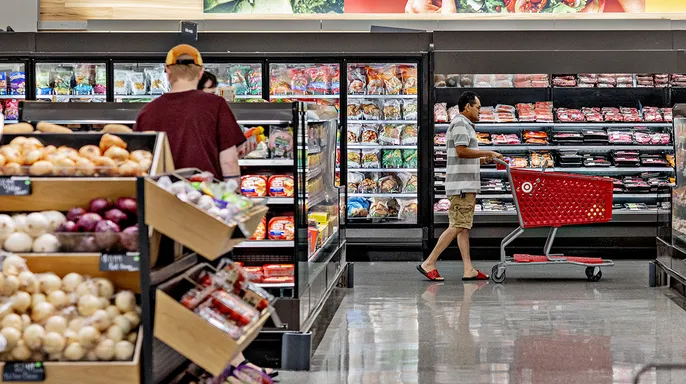
When fuel gets expensive, the ripple effect is immediate. Businesses moving groceries, packages, and building materials face higher operating costs. They might absorb some of that hit, or they might pass it along to customers. Gasoline is adding to the pain too. Prices jumped 9.1% in September. That single category accounted for more than half of the overall increase in the Consumer Price Index that month.
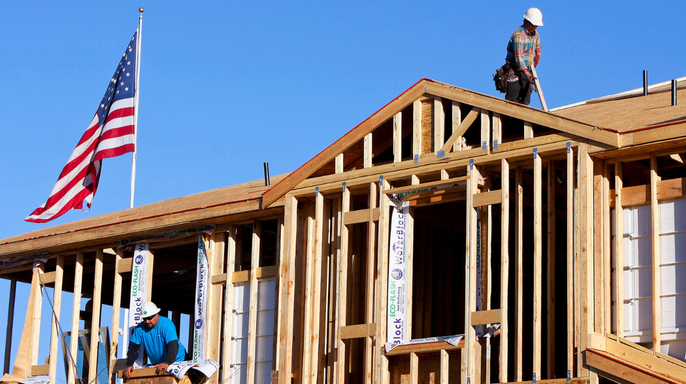
Then there is housing. It remains a stubborn affordability challenge, especially for those trying to buy their first home. As of Oct. 29, Freddie Mac’s 30-year mortgage rate averaged 7.24%. Meanwhile, the National Association of Realtors reported the latest median price for an existing home hit $417,500 in September. Mortgage rates dictate monthly payments. Home prices determine the loan size. Together, they make it harder for many households to even enter the market.
Rising values help current owners on paper. But that wealth is locked away. You can’t spend it without selling or taking out a loan against the property. For renters and first-time buyers, the costs are immediate and tangible. The data provide a clear picture of what voters have faced. But charts alone cannot predict how they will weigh the economy. Nor can they show which party they will hold responsible as results come in.
Photos