Rescue teams search for 12 climbers after Mount Himlung avalanche kills two
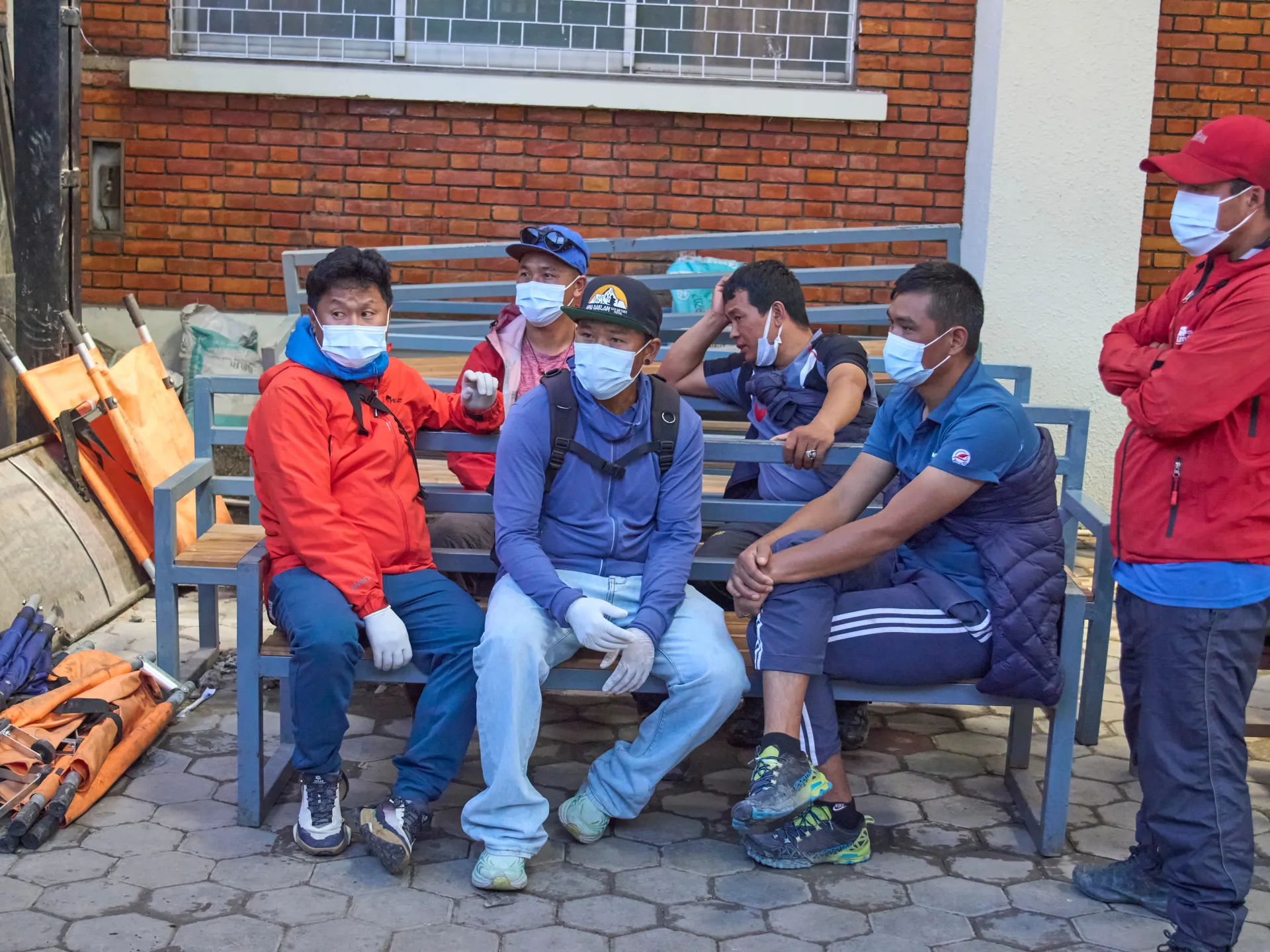
Rescue crews have returned to Mount Himlung after an avalanche claimed two lives while severe weather battered the region. Teams are now scouring the slopes for twelve missing people swept away in the sudden slide on Sunday. At least ten climbers survived the initial disaster and were pulled from the 7,126-metre peak before conditions worsened further.
The remains of the two victims were airlifted to Kathmandu on Monday and taken directly to Tribhuvan University Teaching Hospital for identification and care. Tul Singh Gurung, president of the Nepal National Mountain Guide Association, confirmed that rescuers found those bodies by 6pm last night. He stated clearly that fourteen expedition workers remain unaccounted for despite intense efforts. A dedicated team of eight mountain guides is currently working through the snow to locate them.
Every person killed or missing in this tragedy holds Nepali citizenship. The avalanche struck right as these individuals were setting up base camp to welcome foreign clients arriving for the autumn climbing season which started this month. Heavy rains over the weekend triggered flooding and landslides across Manang district where the mountain stands, according to local administration reports.
Government officials have issued urgent warnings about dangerous weather conditions sweeping across the entire Himalayan nation right now. The National Disaster Risk Reduction and Management Authority reported that twenty-one other people died while five more went missing in different parts of the country between Thursday and Sunday. This latest crisis follows devastating floods last August that washed away villages and killed over 1,400 souls nationwide.
Current figures from NDRRMA show that 5,500 individuals remain missing after those earlier floods while rescue teams successfully saved 13,795 people so far. Researchers from the World Weather Attribution group released a report last week explaining that such disasters do not stem from single extreme events alone. Instead they describe a compound crisis driven by long-term warming, retreating glaciers, thawing permafrost, and unstable geology working together.
Photos