Rep. Frost Slams Broken Promise of American Dream
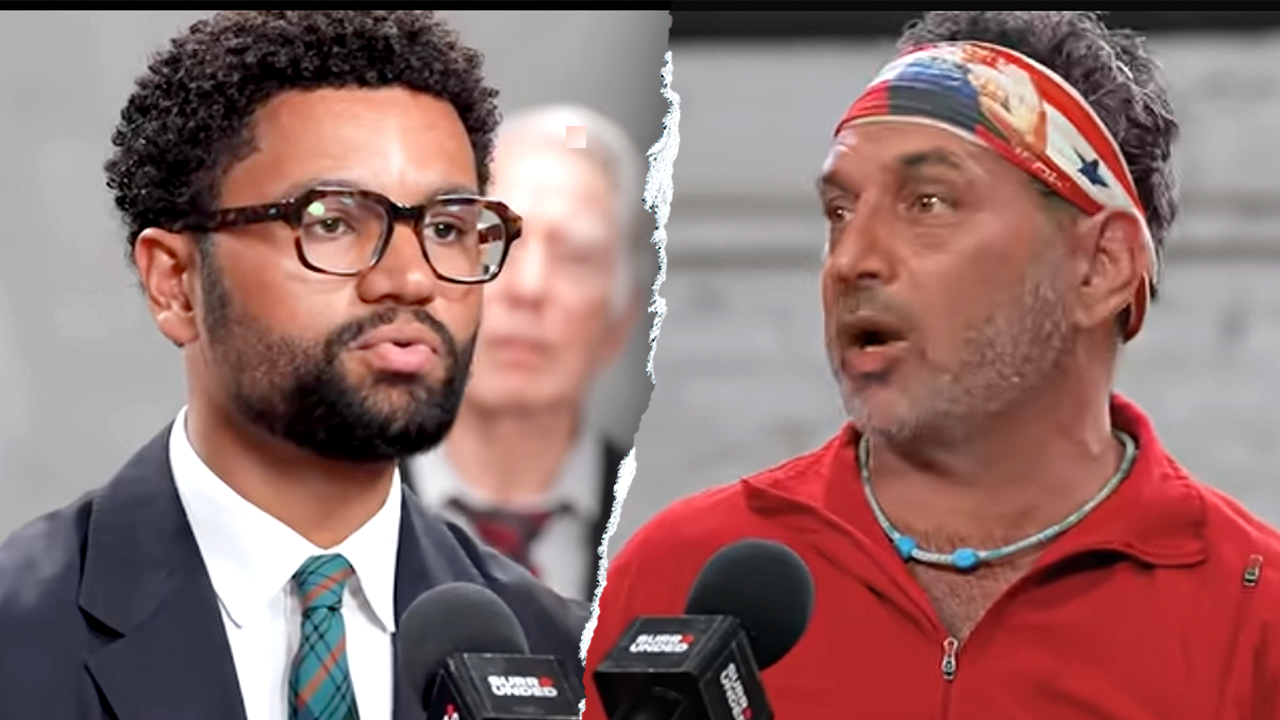
Rep. Maxwell Frost, a Democrat from Florida, recently took on a room full of Baby Boomers in an online debate for the Jubilee YouTube channel. The 29-year-old congressman made waves by pointing out that Generation Z is facing economic walls their parents never had to climb. This viral clash happened during the Surrounded series, where one guest stands against an entire panel of challengers.
Frost told the group that young Americans were raised with a specific promise: go to college, take on student loans if you must, and secure a solid job to pay them back. That path was supposed to lead straight to the American dream. He explained that he came from a working-class family and once drove for Uber just to survive while running for office.
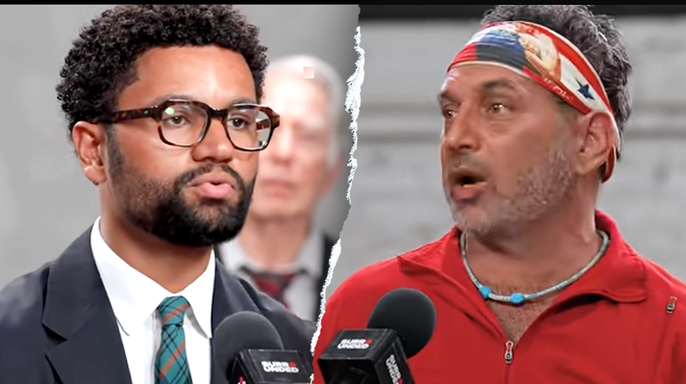
"So that's the American dream! You lived it!" shouted his opponent, comedian Geno Bisconte, in a clip that spread quickly online Monday.
Frost shot back immediately. "The American dream isn't driving Uber to barely make ends meet," he said. "The American dream is upward mobility and being able to have success."
Bisconte pressed the point hard. "You went from driving an Uber to being a politician!" he yelled. "Is that upward!? What am I missing?"

Frost corrected him, noting this isn't about one person's luck but the reality for an entire generation. He argued most young people are just trying to survive now. The American dream is supposed to be thriving, not scraping by. Frost insisted the vast majority of youth cannot save enough money to move up in life.
Another participant named William offered a different take. He blamed population growth from mass immigration for many of these struggles. "When we started school, there was less than 157 million people in America today," William said. "Now there's 340." He argued that more people needing homes drives prices up and more people needing food pushes grocery costs higher. According to him, fixing this requires stopping illegal immigration, a stance he accused the opposing party of refusing to take.

Frost pushed back firmly on that point. He stated immigrants bring a net economic benefit and share far more with everyday Americans than billionaires do. He added that entry-level wages have simply not kept up with living costs. Buying a home on a salary from retail or service jobs feels like a fantasy now. Young buyers are also fighting private equity firms in the real estate market, adding another layer of competition.
Experts weighed in with mixed views afterward. Judge Glock, who directs research at the Manhattan Institute, noted that young adults actually earn more net income than Baby Boomers did at their age. However, he agreed housing affordability is at its worst point in decades. He disputed Frost's idea that older generations or Wall Street are the main culprits.
"The fundamental reason housing prices have gone up is that we are building less than we used to," Glock said. "And we are building less than we used to because of ever-increasing regulations, from zoning to environmental mandates." When you mix those rules with high mortgage rates caused by inflation and government debt, owning a home gets out of reach for many.
Glock also pointed out that this generation carries much higher student debt levels than earlier ones did.
Older Millennials are sitting with less wealth than Gen Xers of the same age. The reason isn't a shortage of work; it is soaring college costs paired with degrees that often lack real value. High student debt and a housing market that refuses to yield riches have left this generation behind.

Elizabeth Pipko, who once served as a national spokesperson for the Republican National Committee, says Gen Z faces big hurdles but warns people not to assume Baby Boomers lived in paradise. "Nobody is arguing that young Americans have it easy," she told Fox News Digital. She points out that housing prices in many cities and suburbs have raced far ahead of wages. Yet, comparing today's struggles to the past misses the point because times have changed completely.
Back then, families spent much less on everyday things. Today, households buy a higher standard of living without realizing it. What counts as normal now would have been a fantasy decades ago. Air travel is cheaper than ever. Computers and televisions are affordable luxuries for most people. "What is considered 'normal' today would have been a dream to many a few decades ago," Pipko explained. "The material things that improve our quality of life which were mere dreams are now not only attainable by most, but vastly cheaper." She admits difficulties exist alongside these incredible advantages.
New pressures pile up for fresh graduates. Immigration flows, the rise of artificial intelligence, and shifts in work habits since the pandemic have made landing a first job harder than before. Pipko warned against using H-1B visas simply to hire cheaper labor. "Such practices put 'American graduates in direct competition for the entry-level jobs that traditionally gave them their start,'" she said.

Link Lauren, an influencer and former senior advisor to Robert F. Kennedy Jr., pushed back on the value of a four-year degree for everyone. She told Fox News Digital, "For years, I've recommended trade and technical schools." Her advice is blunt: if you major in queer theater or LatinX literature without planning for medical school or law school, do not be surprised when few jobs are waiting. "Unless you really need that four-year degree to go on to medical school or law school, you really have to think twice about spending all that time and money on a college campus," she added. She insists the American dream is still reachable, but the path has shifted dramatically. This view aligns with what Charlie Kirk often discussed.
A request for comment from Frost's campaign went unanswered immediately. The conversation remains open as young people weigh their options in a changing economy.
Photos