Record-Breaking Ocean Heat Signals Intensifying Super El Niño
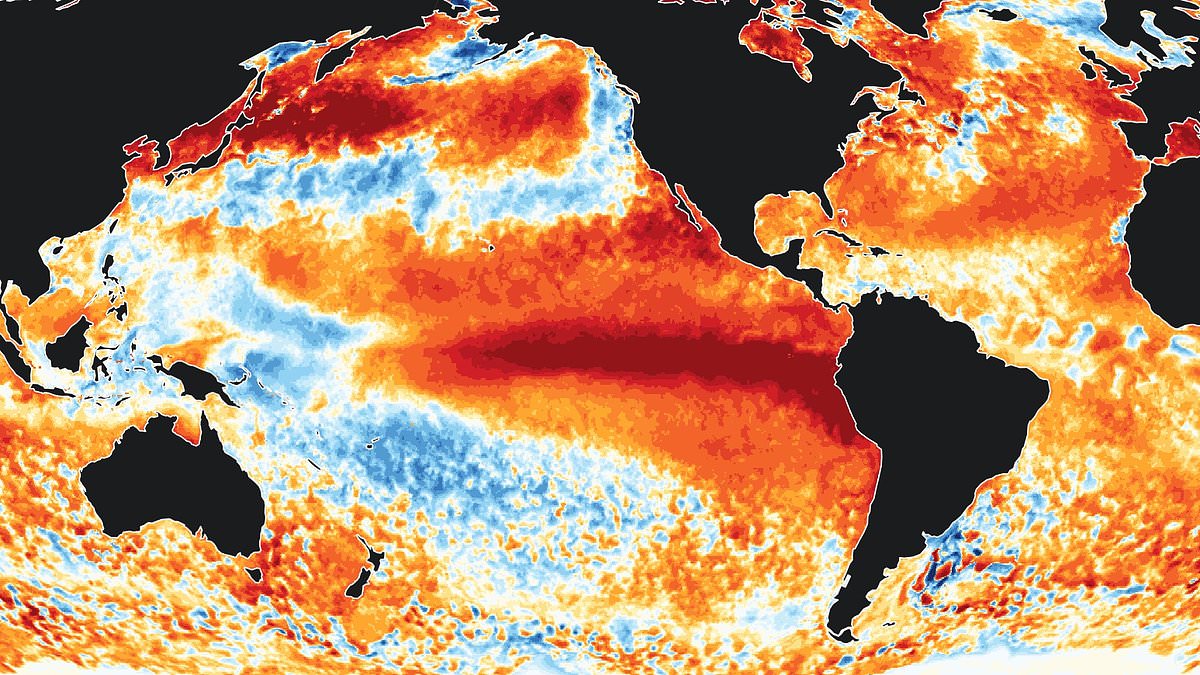
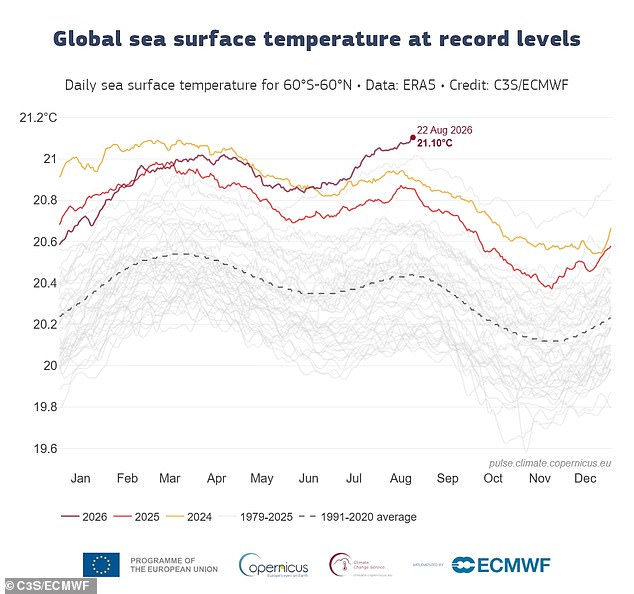
Global ocean temperatures have shattered previous records, hitting a daily average high that experts say signals a dangerous intensification of the Super El Niño event. On August 22, sea surface temperatures outside polar regions climbed to 21.1C, surpassing the old benchmark set just five months prior in March 2024. That earlier peak sat at 21.09C, but the new figure proves that even late summer has become too hot for normal records. This specific day now stands as the hottest August moment recorded for the world's oceans since monitoring began decades ago.
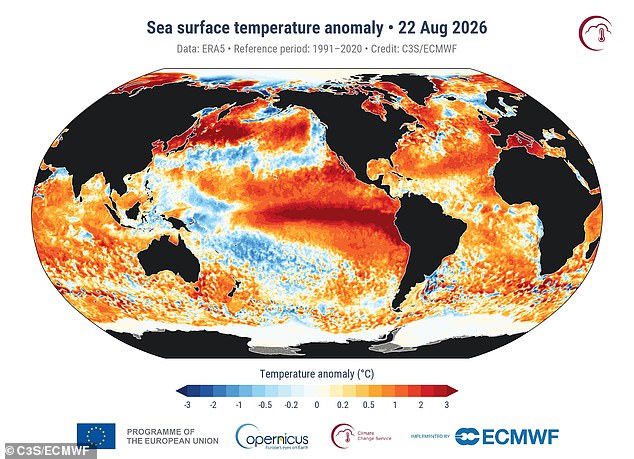
The surge follows a growing Super El Niño developing in the tropical Pacific, which is pushing massive amounts of heat toward Oceania. Scientists note that this natural cycle adds extra fire to an ocean already baking from human-caused climate change over many years. Temperatures in this critical zone currently sit 2.6C above their long-term seasonal average, a gap experts believe will only widen. Some forecasts suggest Pacific warming could reach 3C, while other reports hint at increases as high as 4C above normal levels.
Samantha Burgess from the European Centre for Medium-Range Weather Forecasts called this milestone another stark warning of an ocean under severe stress. She explained that El Niño is dumping heat into a system already strained by decades of anthropogenic warming. The timing feels particularly alarming because sea surface temperatures usually peak in March or April after the Southern Hemisphere summer ends. Seeing such a record-breaking day in late August shows just how badly the cycle has shifted due to human influence.
The El Niño Southern Oscillation is a natural climate rhythm that flips between hot and cool phases every two to seven years. During an El Niño phase, trade winds weaken or reverse direction, stopping cool deep water from rising near Australia's coast. Instead, hot surface water piles up off South America before eventually spreading globally and disrupting weather patterns everywhere. Right now, this warming is hitting unprecedented levels that experts say have not been seen since the 19th century.
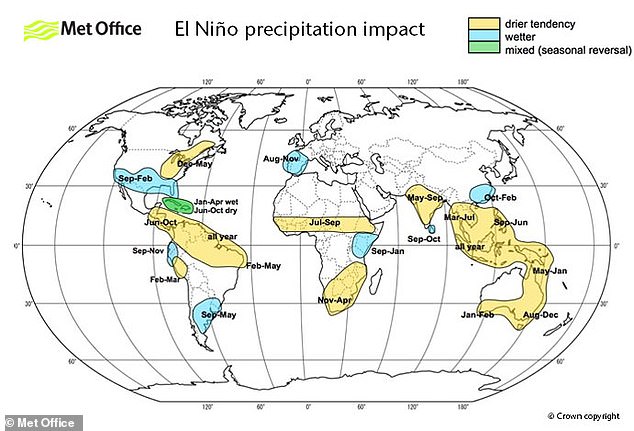
The heat is concentrated in the equatorial Pacific core region, but the ripple effects are already touching communities worldwide. Last month marked the hottest July on record for oceans outside polar zones, with temperatures reaching 20.96C. Coastal areas across Europe have also suffered through a string of marine heatwaves that sent local water temperatures soaring dangerously high. These impacts hit hardest because they stack atop decades of warming driven by human activity.
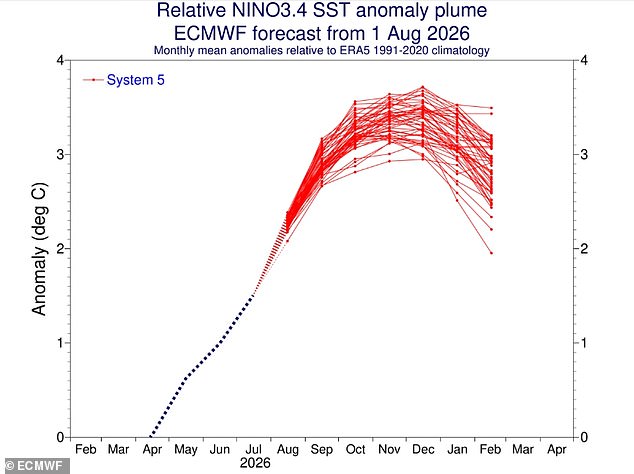
While El Niño itself is not caused by humans, the combination creates average temperatures far higher than nature would allow on its own. Warming oceans pose direct threats to coastal towns and low-lying land as expanding hot water pushes sea levels upward. Higher temperatures also make extreme events like tropical storms and hurricanes much more likely to form with greater ferocity. Ms Burgess added that rising ocean heat increases risks for both marine life and the people who depend on it. She noted that days of intense marine heatwaves have already tripled since the early 1990s, placing immense pressure on fragile ecosystems and fishing communities around the globe.
Photos