Recognizing Melanoma Signs: Distinguishing Harmless Spots From Deadly Skin Cancer
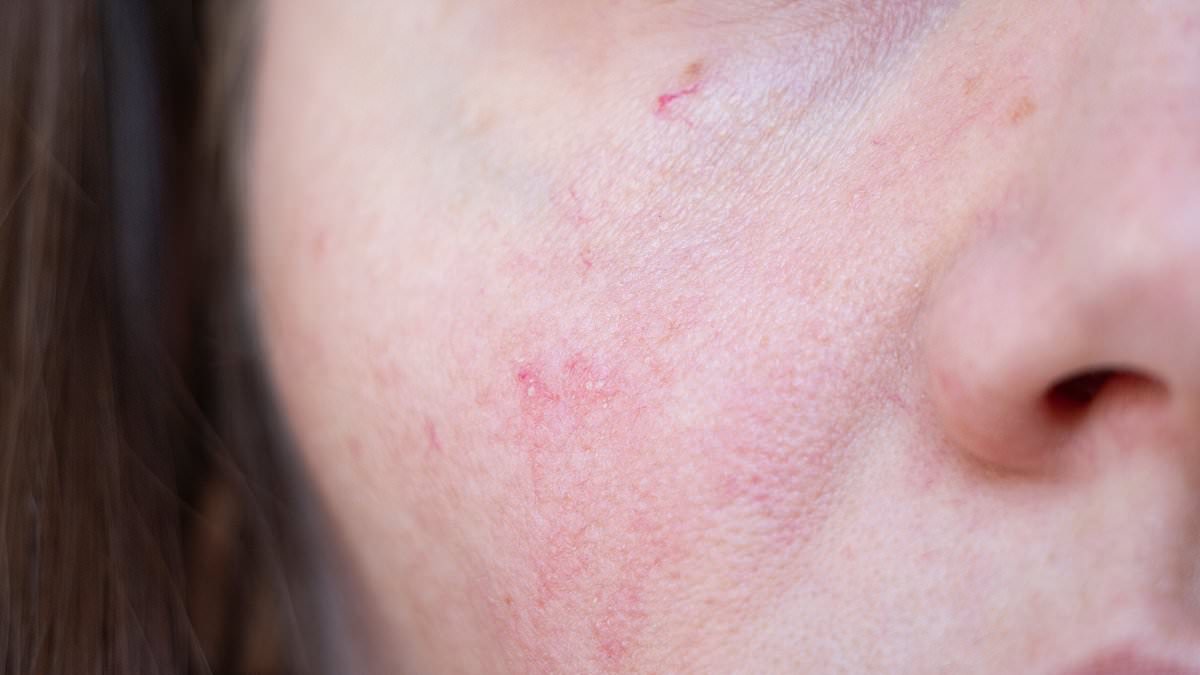
We have all seen that crusty red mark on our face. It refuses to heal. Face creams do nothing. You can't pop it. Washing your skin makes no difference. Most people think of these blemishes as annoying or embarrassing, but dangerous? Rarely. Yet what if that stubborn spot is cancer?
Dr Philippa Kaye, a GP who has faced cancer herself, worries many patients miss the signs. With record-breaking heat this summer, cases are rising because sun exposure drives the disease. She says there are simple tricks to tell the difference between a nuisance and a threat. Time matters. Melanoma can spread through your body fast.
Melanoma is well-known but deadly. Around 20,000 people develop it every year, and roughly 2,600 die. It usually starts as a mole that changes or grows. The spot gets larger, develops jagged edges, or becomes asymmetrical. Colour shifts to red, brown, or black, sometimes all at once. It might itch or bleed. Watch for these clues. Many people can spot the change if they look closely.
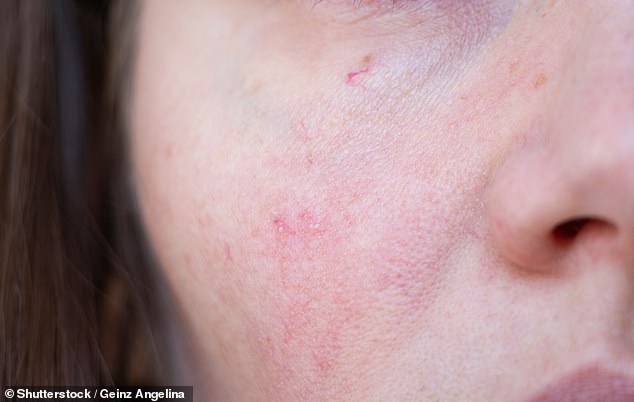
Squamous cell carcinoma is harder to see at first glance. It often shows up as a small, red, crusty patch that can hurt. This form grows quickly and spreads around the body. While less obvious than melanoma, it still gets picked up by someone who pays attention.
Basal cell carcinoma is different. It is very slow-growing, which helps, but also lets people miss it until later. It typically looks like a sore that bleeds, oozes, or crusts and never goes away. Sometimes it appears as a shiny bump or a scaly reddish patch. Dr Kaye has seen cases mistaken for eczema or psoriasis. Patients describe it as "that little spot that doesn't go away." This cancer likes the ears, scalp, neck, and face.
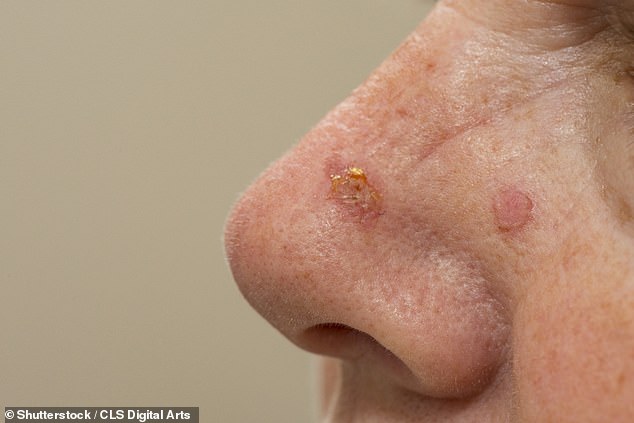
Fewer than 100 deaths happen from basal cell carcinoma in the UK each year. It is not as deadly as melanoma. But delay makes treatment harder. The cancer burrows down into the skin. The deeper it gets, the more intensive surgery becomes. Avoid getting skin cancer to start with. That remains the best way to tackle all forms of the disease.
Protecting skin from UV rays, the harmful radiation the sun emits, sounds like a basic rule anyone should follow. Yet, an astonishing number of Britons are failing to take that step. A survey released earlier this year by charity Melanoma Focus showed one in nine British adults have deliberately burnt their skin. That habit puts them at a heightened risk of skin cancer.
Dr Philippa Kaye, a GP and author who also works as a broadcaster, helped bring these findings to light. The study involved more than 3,000 adults across the UK. It revealed that one in three admitted to never using suncream. That statistic is staggering when you think about how much time people spend outdoors.

The NHS says everyone should use suncream with an SPF of at least 30 whenever they are in the sun. You need six to eight teaspoons for your entire body, and you must reapply every two hours. Do it again after swimming, sweating, or towelling dry. But there is a better shield against direct sunlight damage: stay out of it altogether. Remain in the shade when the sun peaks between 11am and 3pm.
Still, basal cell carcinoma is treatable thanks to modern medicine, provided you catch it early enough. A number of effective treatments now exist, including some as simple as prescription creams. The real trick lies in spotting it in time. That means paying attention to marks that refuse to go away or spots that just won't budge. If a blemish sounds like this description, it might be time to talk to your GP.
Photos