Rare Muscle Condition Kills NYC Marathon Runner Two Miles From Finish
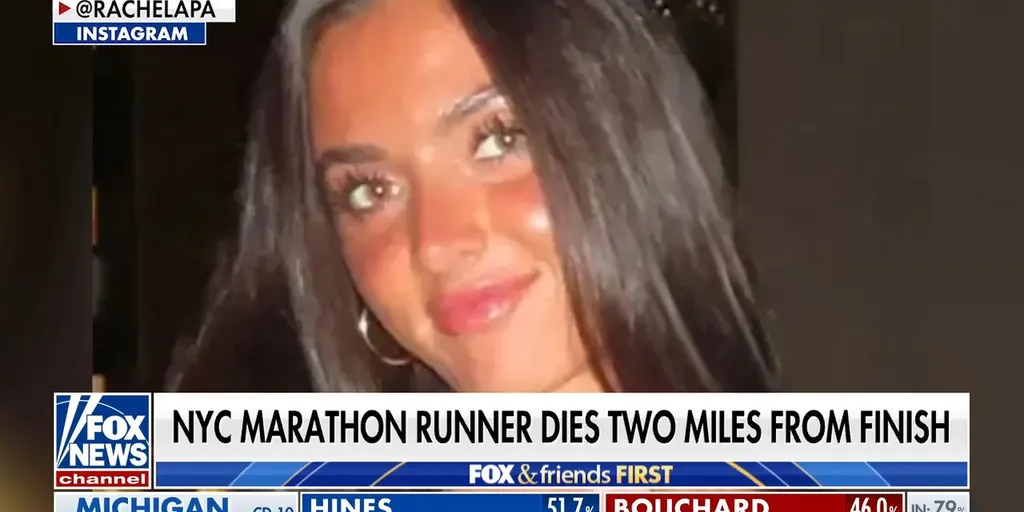
Two miles from the finish line, the body simply gave out. It is a distance that should feel like victory, not tragedy. Yet for one New York City marathon participant, it marked the end of life. The cause was rhabdomyolysis. Medical experts call this condition "extremely rare." It kills muscle tissue and releases damaging proteins into the bloodstream.
Dr. Devi Nampiaparampil stands at the center of this discussion. She works at the NYU Langone School of Medicine. Her role is not just academic. She speaks to the warning signs. These signals often fly under the radar. Muscles turn dark. Urine turns brown. Pain becomes severe. Most runners ignore these cues. They push through. That instinct can be fatal.
Access to this specific medical data remains limited. Only specialists grasp the full scope of the risk. The general public receives sparse, fragmented information. This gap creates danger. Communities of endurance athletes operate in a blind spot. They train hard. They ignore early distress signals. The result is preventable death.
Why does this happen? Pressure to perform overrides safety. Runners fear failure more than injury. This cultural dynamic silences the body’s alarms. The stakes are high. Every mile carries weight. Every drop of sweat hides potential toxins. The margin for error shrinks as the crowd grows.
Dr. Nampiaparampil’s insights offer a lifeline. Yet they reach few ears. The average participant lacks privileged access to such nuanced guidance. This inequality in knowledge persists. It favors those with medical resources. It leaves others vulnerable. The tragedy is not just medical. It is systemic.
We must confront this reality. The finish line is not a shield. It is a target. Ignoring pain is not toughness. It is negligence. The community bears this burden. We train together. We suffer together. We must learn to stop. The alternative is silence. And silence, in this context, is lethal.
Photos