Rare Killer Whale Sighting in Cornwall Leaves Explorer Speechless

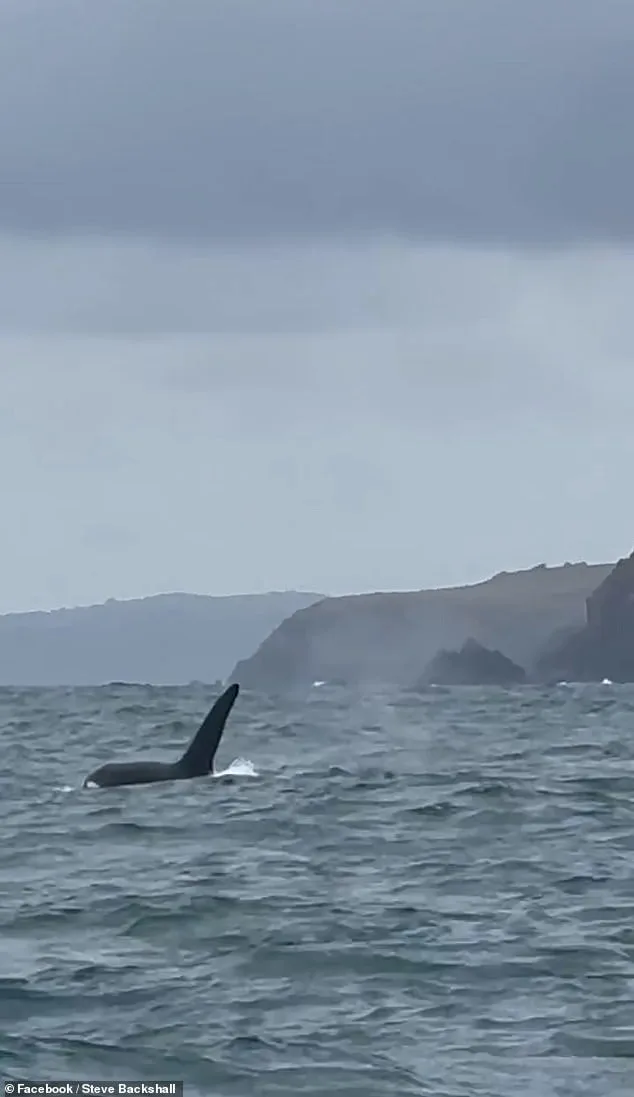
Wildlife explorer Steve Backshall recently experienced a rare and extraordinary moment when he encountered two of the UK's last resident killer whales off the coast of Cornwall. The sighting, described by Backshall as one of his "greatest British wildlife moments," occurred near Lizard Point, where the orcas glided through the choppy waves, more than 500 miles from their usual habitat in Scotland. The footage captured the explorer's exhilaration as he stood on his boat, his voice crackling over the microphone, shouting in disbelief at the sight before him. "They're there. They're there. They're right in front of us. Unbelievable," he exclaimed, his excitement palpable.
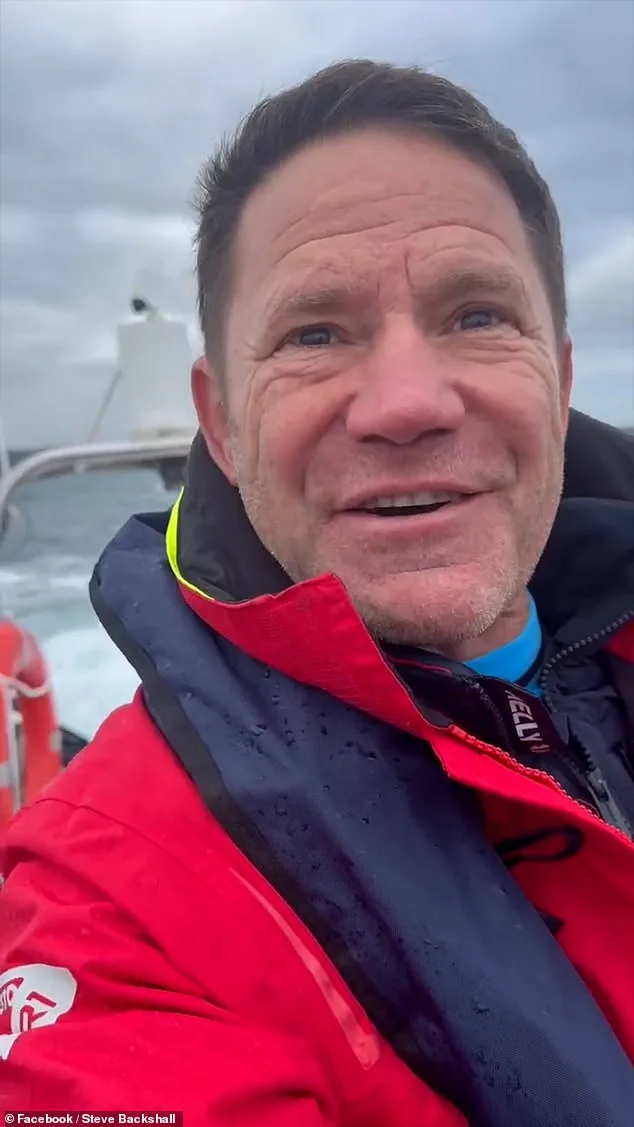
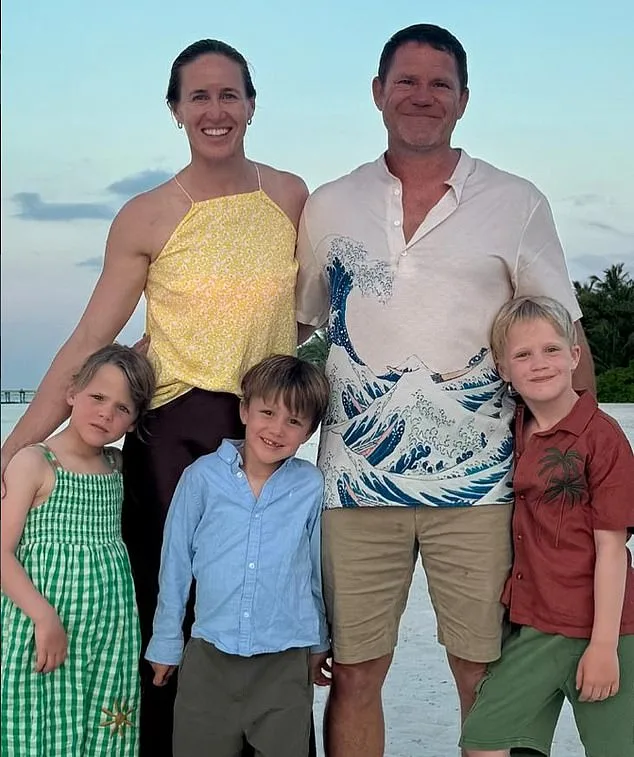
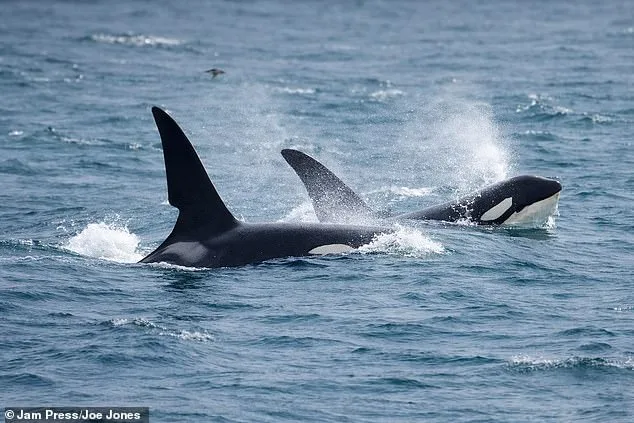
The orcas, named John Coe and Aquarius, are among the most well-known individuals in the Northern Hemisphere. Backshall, who lives near Land's End in Cornwall with his family, described them as "rock stars, celebrities, icons of the Orca world." Their presence in Cornish waters was a rare event, and for Backshall—a lifelong resident of the region—the moment carried deep personal significance. "Orca in Cornish seas and not just any Orca but the two best known individuals in the Northern hemisphere. Right here on our doorstep. Unreal," he said, his voice tinged with awe.
The encounter was not a spontaneous occurrence. Backshall had been tipped off by filmmaker George Morris, who was working on a documentary about John Coe and Aquarius. The two male orcas are believed to be the last surviving members of the West Coast Community, a pod that once numbered 10 individuals in the 1990s. Over the decades, the pod has dwindled, with members disappearing one by one. The most recent loss was Lulu, a female orca who died in 2016 after becoming entangled in fishing lines. Her body was found to contain PCB levels over 100 times the threshold considered harmful to marine mammals—a stark reminder of the environmental challenges facing these animals.
Joe Jones, a local who rushed to see the orcas, described the sighting as an "April fool's" moment. "I went to Lizard Point where they passed much closer and gave much better views. I have seen Fin, Minke and Humpback whales over the last few years around the Lizard," he said. "But this was by far the best and an absolute pleasure to have seen them." For Jones, the encounter was a rare and unforgettable experience, underscoring the significance of such sightings in a region where marine life is often overlooked.
The West Coast Community, once a thriving pod of 10 orcas, has been reduced to just two individuals. Researchers have linked the pod's decline to pollution, particularly the persistent presence of PCBs in the environment. These toxic chemicals, banned in the 1970s, have lingered in marine ecosystems, accumulating in the blubber of killer whales. Lulu's death was a grim indicator of the toll these contaminants have taken, with her PCB levels reaching 950mg/kg—far exceeding the 9mg/kg threshold deemed harmful. Scientists are now working to understand the fate of the remaining orcas, who have not been sighted for over nine years despite their close bond.
The Cornwall Wildlife Trust hailed the sighting as "big wildlife news." A spokesperson noted, "Orca were seen off the Lizard in Cornwall. Another rare sighting in our changing seas." These encounters, while infrequent, offer a glimpse into the resilience of these animals and the urgent need for conservation efforts. Killer whales, which can travel up to 100 miles a day, are known to hunt harbour porpoises in some regions and seals in others. Their presence in Cornwall highlights the shifting dynamics of marine ecosystems, influenced by both natural and human factors.
For Steve Backshall, the moment was a poignant reminder of the delicate balance between human activity and wildlife preservation. As he stood on the deck of his boat, watching John Coe and Aquarius disappear into the horizon, he reflected on the broader implications of their survival. "These animals are not just icons of the Orca world," he said. "They're a symbol of what we stand to lose if we don't act." The sighting, rare as it was, serves as both a celebration of nature's endurance and a call to protect the fragile ecosystems that sustain it.
Photos