Quitting Vapers Often Relapse Into Smoking Cigarettes

Adults attempting to quit vaping are increasingly returning to traditional cigarettes. Public health data backs this trend up. Action on Smoking and Health reports that smokers who stop using vapes often pick up tobacco products again. Addiction specialists believe nicotine dependence drives this shift. Withdrawal challenges play a major role too. Trent Carter, board-certified nurse practitioner and CEO of Renew Health in New Mexico, notes behavioral reasons for the switch. The move from vapes back to cigarettes might seem backwards at first glance.

"Vaping can become constant throughout the day, whereas a cigarette is more of a defined episode," Carter told Fox News Digital. "Subconsciously, you may not even realize that you're constantly vaping throughout the day, whereas cigarettes you feel like you're more in control because you have to think about it. You [have] to go outside, you [have] to light it up." Unlike e-cigarettes, which allow indoor use all day, smoking requires stepping out and performing a specific action. That limitation offers a break from the habit. Easy access to vapes can fuel higher nicotine intake. It also reinforces the hand-to-mouth motion users crave.
E-cigarettes deliver nicotine in highly concentrated forms. Many devices use potent salts that let people inhale large doses per puff. Traditional cigarettes simply do not match that intensity. "If you're consuming a large amount with every single puff ... it's going to be harder to stop when compared to a lower dose," Carter said. High-volume intake changes brain chemistry by stimulating dopamine, the neurotransmitter governing mood and pleasure. Cleveland Clinic explains this mechanism clearly. Abruptly stopping heavy use triggers rapid withdrawal. Symptoms range from intense cravings and irritability to severe sleep problems and brain fog. Physical tolerance skyrockets with high-potency vapes. Over-the-counter patches or nicotine gum sometimes feel insufficient for immediate relief.
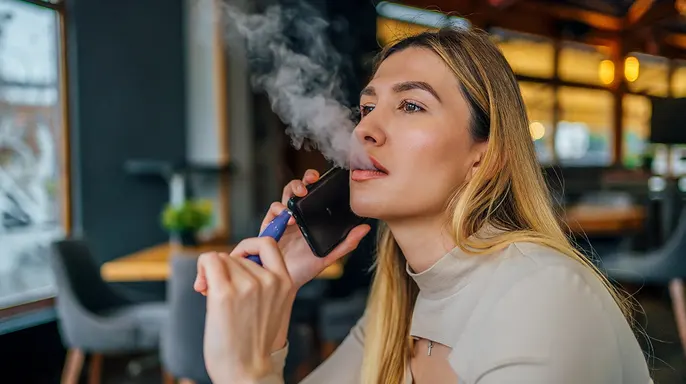
" While a patch or gum could definitely help with the nicotine cravings, if you're not addressing the behavioral aspect of it, then you're really falling short," Carter said. "You're leaving a huge component of why they may be smoking, whether it's because of anxiety or even insomnia during the day." Early marketing framed e-cigarettes as safe and doctor-approved alternatives to tobacco. This messaging gave consumers a false sense of security about quitting difficulty. "If you're being told something is safe or doctor-approved, we tend to feel we're making the right choice," Carter said. Traditional cigarettes contain toxins absent in vapes. Yet daily nicotine consumption can soar with e-cigarettes. Users enter a nasty cycle. They remove toxins but consume far more nicotine. This elevated chemical intake takes a physical and mental toll on users. The urgency is clear for public health officials today.
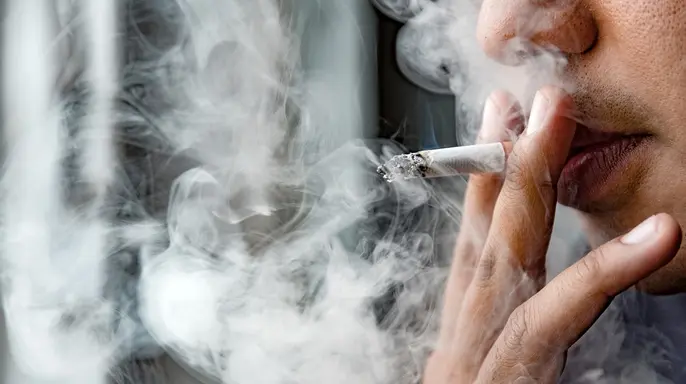
Unrelenting nicotine intake sends blood pressure soaring, spikes heart rates, ruins sleep, and fuels anxiety. This physiological toll demands immediate attention from both patients and caregivers alike.
Health providers issue stark warnings to anyone attempting to quit vaping by switching back to traditional cigarettes. That pivot reintroduces dangerous toxins, tar, and carbon monoxide into the body instead of offering a genuine health solution. The cycle merely repeats with new hazards attached to old habits.

Addiction specialists steer people away from this back-and-forth approach entirely. They advocate for medically supervised strategies that blend behavioral therapy with a slow, steady reduction in nicotine levels. This method targets the root cause rather than just managing symptoms temporarily.
"The goal shouldn't be to find another way to consume nicotine," Carter said. "The goal should be to treat the dependence itself." His words cut through the confusion many feel when trying to break free from addiction cycles. It is not about swapping one harmful product for another, but finding the underlying cause and addressing that head-on, that's how someone truly takes steps in the right direction.
Communities face real risks if people continue cycling between vaping and smoking without professional support. Public health resources must expand to help individuals exit this dangerous loop before minor issues escalate into crises requiring emergency intervention.
For those struggling to leave the cycle behind, Carter advises building self-awareness as a first step toward lasting recovery. Immediately consulting a licensed addiction or mental health professional becomes essential for anyone seeking change today. These experts can recommend a personalized recovery plan tailored to individual needs and circumstances.
Photos