Qatar Warns Energy Crisis May Worsen Amid Middle East Tensions
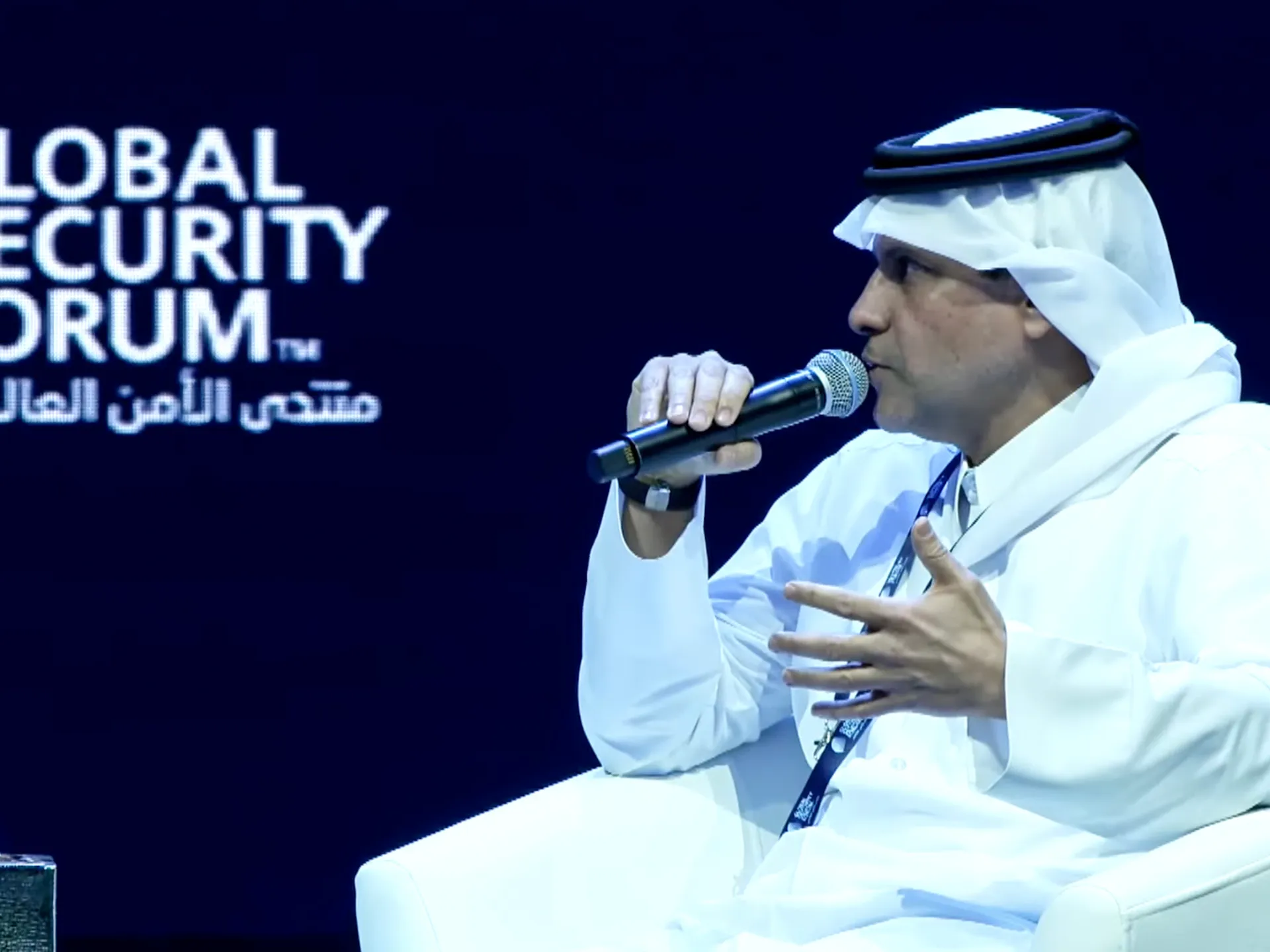
Qatar insists that the energy tremors caused by the conflict in the Middle East have not yet reached their highest point. The Deputy Prime Minister issued this warning while addressing a global audience at the Security Forum in Doha on Monday. Sheikh Saoud bin Abdulrahman Al Thani, who also leads the Ministry of Defence Affairs, told attendees that disruptions to supplies and trade could worsen significantly over the next few months.
The tension stems from recent US-Israel strikes against Iranian targets on February 28, followed by Tehran's retaliatory attacks across the region. Stability remains fragile in the Strait of Hormuz, a critical channel for moving oil and liquefied natural gas around the world. Iran recently hit Qatar's Ras Laffan industrial complex with missiles in March. That strike damaged key facilities there, and officials estimate repairs will take several years to complete.
"We were surprised," Al Thani admitted when questioned about the attack on his country's infrastructure. He noted that many conversations have since taken place between Doha and Tehran to address these tensions. The Deputy Prime Minister emphasized that Qatar has learned hard lessons from this experience and is now taking steps to protect its assets from any future surprise assaults.
He also took a firm stance against charging fees for ships passing through the narrow strait. "Transit fees should not be applied," he stated clearly. Imposing such tolls would only add uncertainty, which would hurt consumers everywhere who rely on stable energy prices. The warning is direct: do not monetize this dangerous waterway.
Despite the violence and diplomatic friction, Al Thani insisted that communication channels remain open between Qatar and Iran. "We never stop our communication," he said regarding their ongoing dialogue at various levels. Before the recent clashes, the two nations shared a deep level of trust based on joint offshore gas projects and long-standing economic interests. He hopes that mediation efforts involving Qatar, Pakistan, and Oman will eventually bring all parties to the table for a lasting agreement.
A sustainable peace requires broader regional involvement beyond just the immediate belligerents. Al Thani called for talks that include Gulf Cooperation Council members, Pakistan, and Turkey, working alongside international allies like the United States and Israel. "We need to build this on trust," he added as a guiding principle for future negotiations. He even suggested looking at how France and Germany rebuilt their economic ties after decades of war. Developing similar connections with Iran could prevent conflicts before they start.
"Iran is our neighbour," Al Thani concluded, reminding everyone that geography alone does not dictate destiny. The message from Doha was clear: energy markets are vulnerable now, dialogue is the only path forward, and charging tolls on global trade routes is a dangerous idea that must be rejected immediately.
We need to find ways to live with them," he stated, setting a tone of grim realism about the ongoing conflict.
The US defence ties remain strong despite the chaos. Al Thani pointed out Qatar's deep-rooted partnership with Washington, noting that "more than 90 percent" of attacks had been stopped thanks to shared expertise and military capabilities built up over three or four decades. That history is written in concrete at Al Udeid airbase. The facility hosts US forces and troops from other partner nations. It was not spared during the fighting; Iran targeted it directly. Qatar reported shooting down two Iranian warplanes when they struck early in March.
Plans are now moving forward for a fresh regional defence partnership. Security priorities include air defence, counter-drone measures, and cybersecurity. "I'm happy to announce today also that soon we're going to announce a new partnership," he said, leaving the names of the regional partners unspoken. The deputy prime minister made it clear that mediation does not weaken their resolve to protect their soil. "Mediation doesn't mean that we should not be ready for any defensive action from our side," he said.
Photos