Putin Seeks War Legitimacy as Russia Holds First Wartime Election
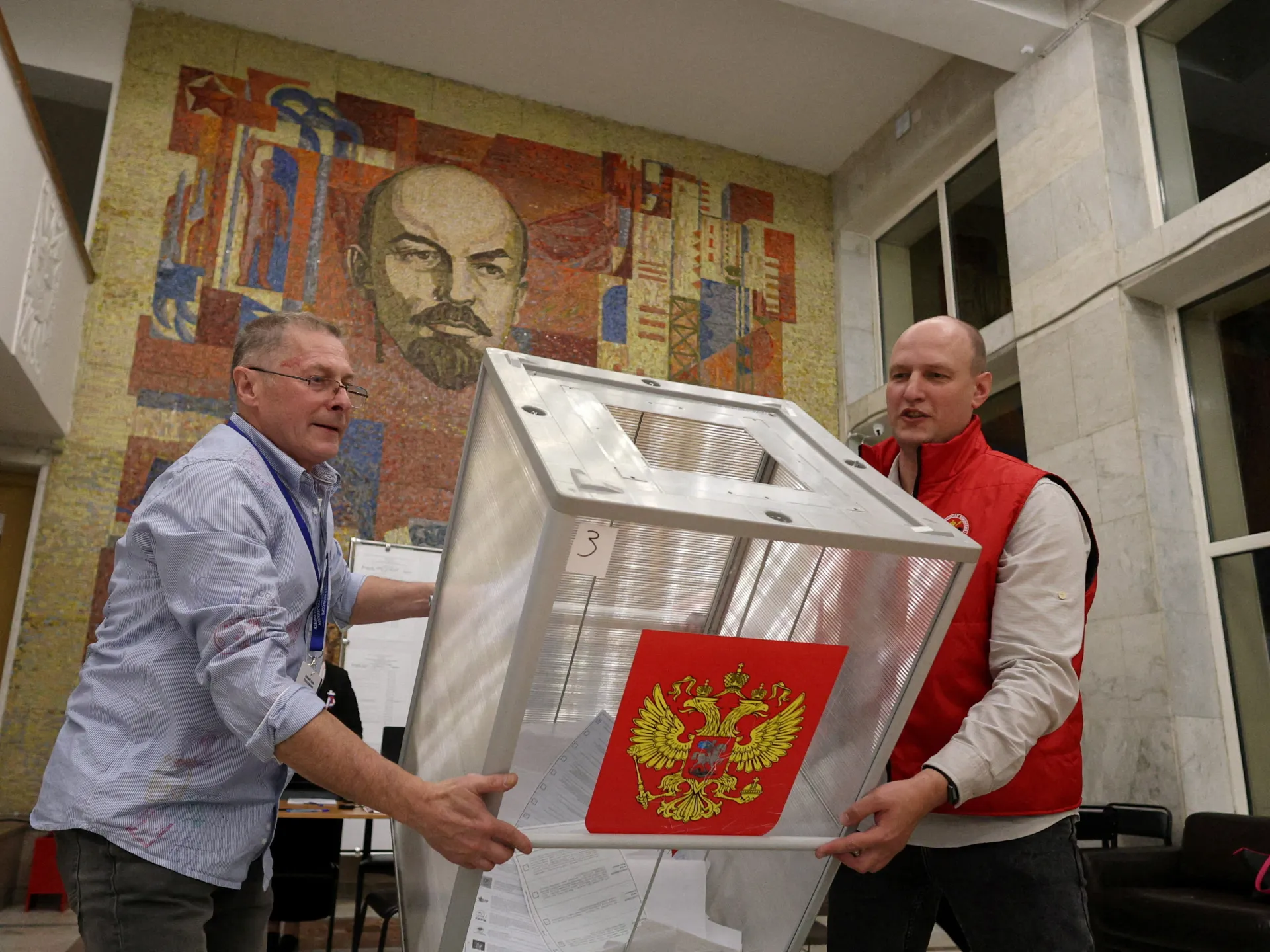
Russian President Vladimir Putin went to the polls on Sunday. His move was a direct test of support for his war against Ukraine. Polls have now closed across the country for these first parliamentary elections held during wartime. The ruling United Russia party is set to dominate this tightly controlled vote. The Kremlin organized this event as the initial parliamentary election since the full-scale invasion began in 2022. Their goal was clear: showcase popular backing for the war and legitimize their actions on the world stage.
Tension rose just before voting started. Russian government officials claimed Ukraine tried to disrupt the process after Kyiv launched hundreds of drones at Moscow and other regions. The TASS state news agency called this the biggest attack of its kind since the conflict began. The drone strikes on Sunday killed at least three people in the Moscow region and two more in the Russian-held part of Kherson, including an election official. Local authorities confirmed these deaths. Russian authorities also reported attacks on electronic voting systems and communication lines during the polls but insisted the electoral process remained mostly smooth. Initial results showed United Russia far ahead. The Central Election Commission said turnout stood at 56.66 percent as polls closed. The first official numbers are expected Monday morning.
The vote included residents of four Ukrainian regions Moscow illegally annexed, though it still does not fully control them, plus voters in Crimea. This Black Sea peninsula was taken by Russia in 2014. Authorities in Kyiv denounced the voting in these areas as illegal and urged foreign governments not to recognize the result. The European Union called the action a blatant violation of international law on Friday. Voters cast two separate ballots, filling half of the lower house's 450 seats by selecting political parties listed on the ballot. The rest are contested in single-seat constituencies where voters choose individual candidates. United Russia is widely expected to keep its overwhelming control of the State Duma. Several smaller parties from the systemic opposition that vote in sync with Putin's views are also expected to maintain their presence.
A massive state media campaign and tight control over the elections, with no genuine opposition allowed, assure the Kremlin will keep a firm grip on Russian politics despite mounting economic costs and increasing Ukrainian drone attacks deep inside the country. The liberal Yabloko party was removed from the ballot last month by Russia's Supreme Court because it dared to publicly criticize the war. It only has a few dozen candidates in the single-constituency races now. Additionally, some anti-war politicians were imprisoned or forced to flee abroad ahead of the campaign. Russia did not invite election observers from the Organization for Security and Cooperation in Europe. The Russian Foreign Ministry accused that body of double standards for its criticism of Russia.
Photos