Putin's United Russia wins historic supermajority in managed Russian election
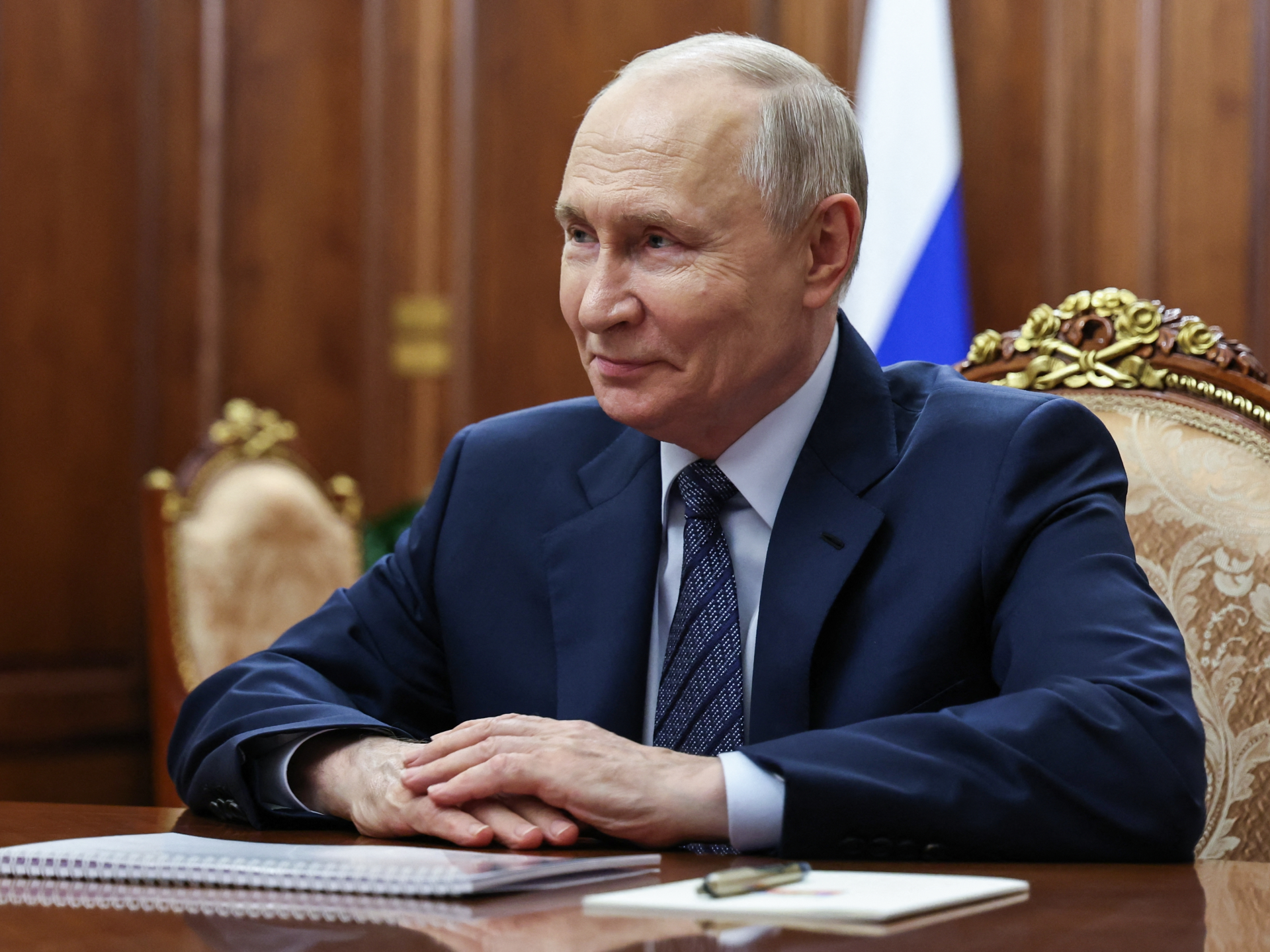
President Vladimir Putin's United Russia party has secured a record-breaking supermajority in parliamentary polls that were tightly managed and excluded virtually any genuine opposition, according to near-complete official results released Monday. The voting process spanned three days, concluding on Sunday, with the lower house of parliament, the State Duma, poised for a new composition based on these figures.
United Russia, which has dominated Russian politics for 25 years, secured over 58 percent of votes and is on track to win more than three-quarters of the seats. This outcome follows the first parliamentary vote since Russian forces invaded Ukraine in 2022. It also marks the first election to include residents of four Ukrainian regions seized and illegally annexed by Moscow later that year.
Reporting from Moscow, Al Jazeera's Dmitry Medvedenko noted that a high voter turnout of almost 60 percent combined with these results would likely be viewed by Moscow as emboldening. He suggested it signals public support for the current course of action, especially regarding Ukraine and the continuation of the war. Ella Pamfilova, chair of the Central Electoral Commission, confirmed that Yabloko, the only registered anti-war party in Russia, did not win any seats at the national level. The Supreme Court had removed it from the ballot last month, leaving the party with only a few dozen candidates for single-seat races.
Despite this national defeat, Yabloko made an entry into the regional parliament in western Russia's Novgorod region. On social media, they reported receiving about 12,000 votes, just over six percent of the total, which was enough to enter the local legislature. Both Yabloko and the Communist Party stated that many of their observers were turned away from polling stations. The Communists managed to enter parliament with 13.8 percent of the vote, securing 40 Duma seats. The nationalist LDPR party won 25 seats, while the New People party took 20.
Russia did not invite observers from the Organization for Security and Cooperation in Europe (OSCE). The Foreign Ministry accused the group of double standards regarding its criticism of the country. OSCE Parliamentary Assembly President Pere Joan Pons stated that excluding observers violated Russia's commitments as a member state. Many Russians appeared unsurprised by these poll results. Moscow resident Tatyana remarked, "In the morning, I saw that United Russia was winning. It probably comes as a surprise to nobody." When asked what she would like to change, she said, "Well, I guess everyone knows the most acute thing – the conflict in Ukraine. I'd like to see it end sooner, with peaceful methods if possible".
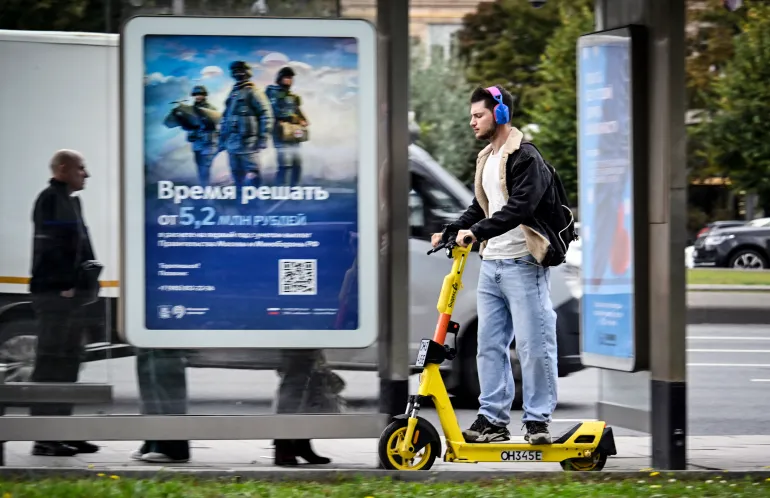
The continuation of the war risks entrenching policies that increasingly affect average Russians. The parliamentary supermajority may struggle to alter this dynamic. Tatyana Stanovaya of the Carnegie Russia Eurasia Center wrote in an online commentary that Putin would likely interpret United Russia's results as confirmation of public support for the war, even though that is not the case. She noted that the overall demand for ending the war is growing. Stanovaya highlighted great concerns about mobilisation, new repressions, harsher measures, and escalation. Western criticism remains sharp, with EU top diplomat Kaja Kallas dismissing Russia's "so-called" election. She pointed out that the Kremlin silenced dissent, barred the only registered party that opposed its war in Ukraine, and shut out international election monitors.
The veneer of democracy is all that remains in Russia," said Kallas. His words hang heavy over the scene.
Five nations stood together to speak out. Australia was there, along with Britain and Canada. They issued a joint statement on Monday. The message was clear and sharp.
They condemned Russia's "sham" parliamentary elections. These votes took place in areas of occupied Ukraine. For these countries, the process is a lie. They branded the event "part of a wider system of occupation".
Photos