Putin, Iranian President Deepen Military-Economic Ties Amid Mutual Strain
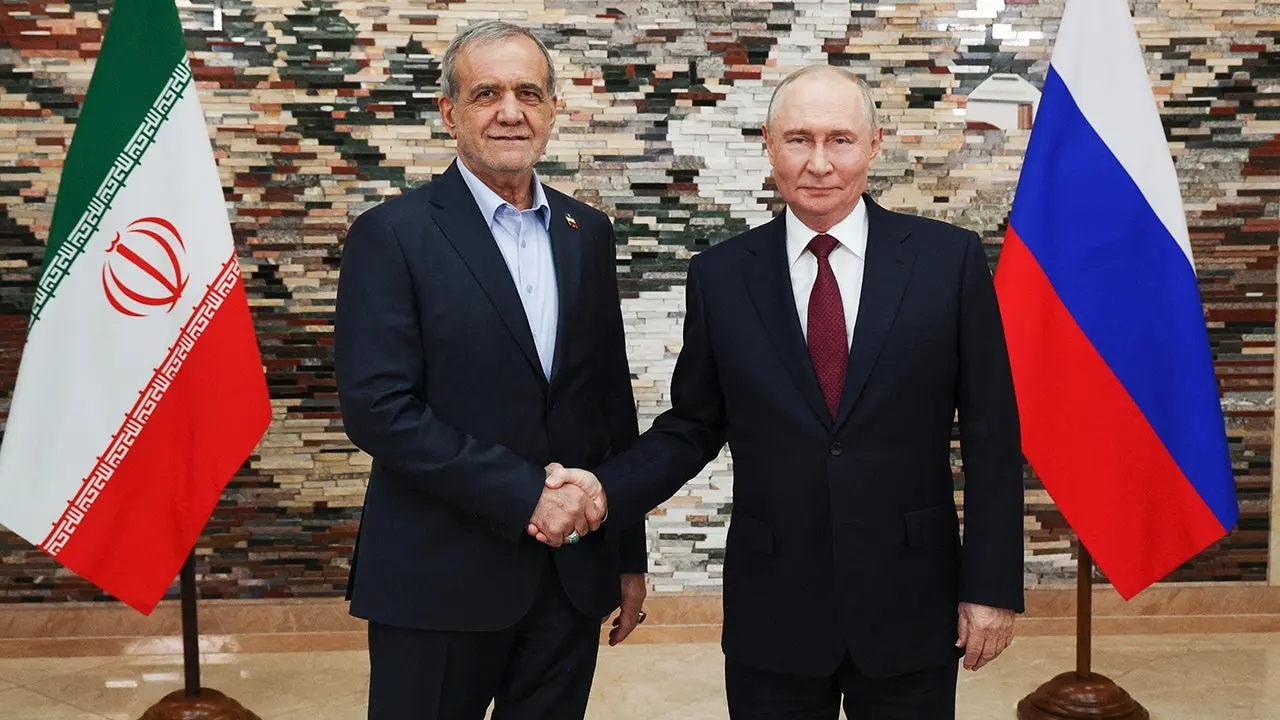
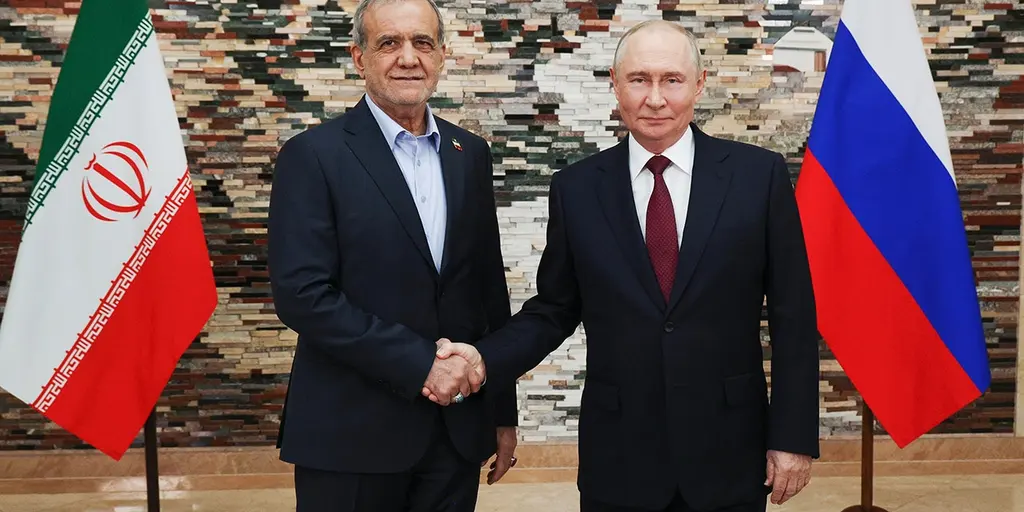
Russian President Vladimir Putin stood beside Iranian President Masoud Pezeshkian Tuesday at a meeting on the sidelines of the Shanghai Cooperation Organization Summit in Kyrgyzstan. The two leaders shook hands while Putin declared full solidarity with the people of Iran, according to a Kremlin readout. He praised Tehran's leadership for their courage and resilience in defending national interests and sent regards to Supreme Leader Mojtaba Hosseini Khamenei.
An expert speaking to Fox News Digital on Wednesday said this bond is tightening because both nations need each other desperately. Retired U.S. Air Force Gen. Philip Breedlove, a former NATO commander, told the outlet that in the grand scheme of things they are both broke. He used plain language to say the bottom line is economic pain for both sides. Russia needs Iran to build missiles after Ukraine struck Russian production lines. Iran relies on Russian targeting and intelligence to keep attacking Americans across the Middle East.
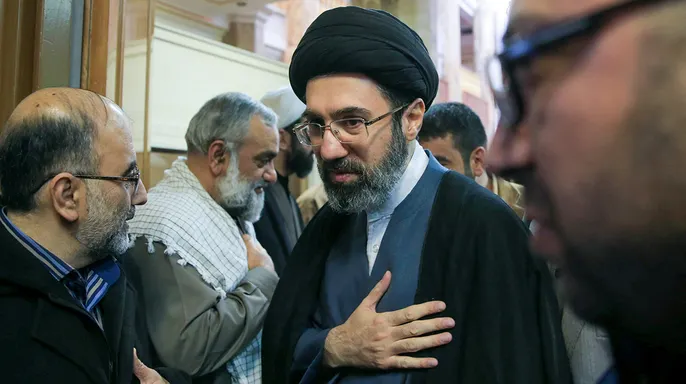
Breedlove noted Russia is transferring capabilities and technologies that help Iran prop up its religious leaders. Jason Brodsky, policy director of United Against Nuclear Iran (UANI), said this partnership has long been strategically important for both countries. He explained Russia sees Iran as a cudgel to use against America. Iran views Russia as a lifeline for military progress, economic aid, and political backing at the U.N. Security Council where Russia holds a permanent seat. That arrangement serves both nations interests.
Russia's Foreign Minister Lavrov stated Iran has an inalienable right to enrich uranium, openly defying demands from President Trump. Breedlove added that the U.S. war with Iran now feels more like a test of will than a military contest. Both militaries have traded aerial strikes recently. The United States holds air and sea dominance but chose early on not to put boots on the ground. Because of that choice, the Iranian Islamic Revolutionary Guard Corps knows they will survive. Their commanders understand clearly they do not need to win.
All Iran has to do is survive while continuing threats against the Strait of Hormuz. Such harassment drives up maritime insurance rates and creates problems for shipping carriers. Breedlove said a nation can militarily end the war if it makes drastic decisions against the IRGC. The other side knows survival is enough because harassing the strait will push transit prices so high that the world economy suffers.
Brodsky told Fox News Digital there is no diplomatic happy ending as long as the Iranian regime remains in power. He argued the system is fundamentally anti-American to its core. That stance imperils any kind of diplomatic arrangement or negotiating process between the United States and Iran.
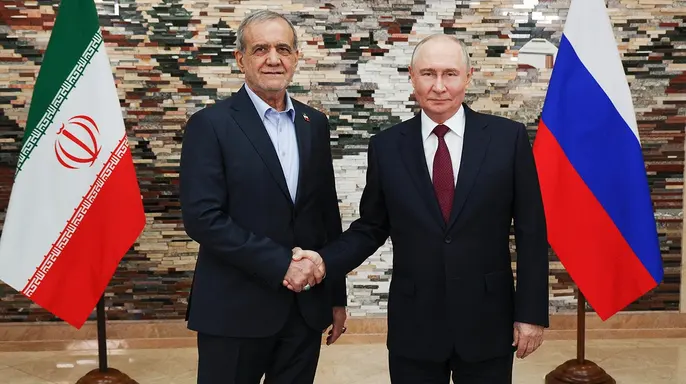
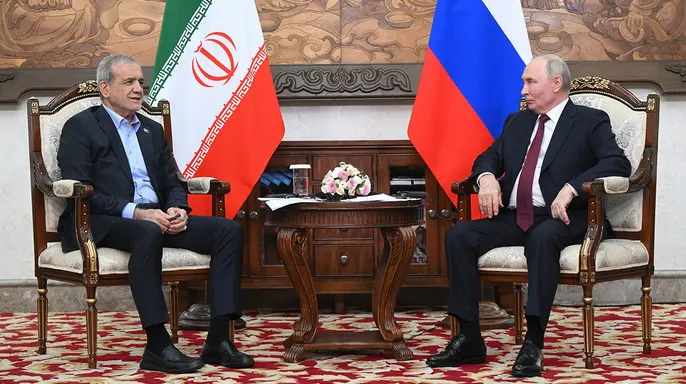
President Trump has voiced clear frustration with diplomacy toward Iran, and many observers agree that his irritation is justified. During a Tuesday meeting in Moscow, Iranian President Pezeshkian thanked Vladimir Putin for the stance Russia took during the war, conflicts, and U.S. sanctions. The Kremlin reported these exact words from the Iranian leader.
"We are grateful to you for the stance you have adopted during the war, the conflicts, the U.S. sanctions and all the rest," Pezeshkian told the Russian president. He went further, calling their ties strategic rather than merely normal. "Our relations are of a strategic nature. This is more than just 'normal' relations," he reportedly said. The Iranian leader was certain that this alliance allows them to push back against U.S. bias and illegal sanctions.
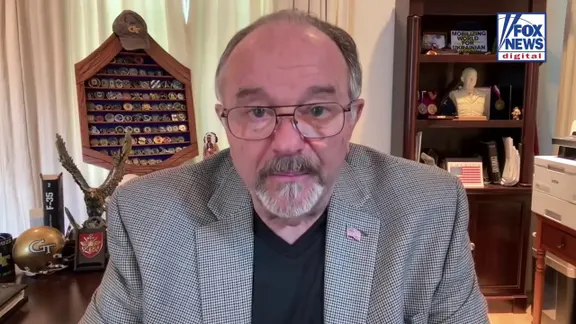
Fox News Digital captured Breedlove's reaction after the summit. He told reporters that the world faces a serious problem with Russia. For nearly 25 or 30 years, Western nations tried to turn Moscow into a friend or at least a cooperative partner. "We wanted to embrace them and bring them into the Western fold and so forth," Breedlove stated. Now, he noted, it is clear that Russia does not want to be part of the West based on its actions in Iran and Ukraine.
Putin operates with a vision of three spheres of influence. China manages Eastern Asia, while Russia handles Western Asia and Europe. The United States should stay within the Western Hemisphere. This is what Putin pushes for. Breedlove explained that regarding both Iran and Ukraine, Putin will do nothing until someone shows him steel. He understands power well, and rhetoric means nothing to him.
Sanctions have never changed Mr. Putin's battlefield actions, according to Breedlove. The West must now figure out exactly how to deal with the Russian leader. This situation highlights a reality where access to critical information remains limited for outsiders. Only those inside the inner circle see the true moves.
Photos