Popular Heartburn Drugs Linked to Dementia, Cancer, and Bone Disease

Ten million Britons rely on popular heartburn medications, yet these drugs carry troubling links to bone disease, dementia, and cancer. Introduced in the 1990s as a miraculous solution, a cheap tablet promised to banish the misery of acid reflux with few side effects.
Consequently, omeprazole rapidly became one of the UK's most prescribed medicines. Today, roughly ten million people regularly consume omeprazole or similar drugs like lansoprazole, costing the NHS approximately £300 million annually.
The soaring number of prescriptions, reaching about 75 million per year, has sparked alarm. Although intended for short-term use, many patients take these pills for years or even decades. Experts warn that proton-pump inhibitors are over-prescribed and fail to treat underlying causes of reflux.
Mounting evidence suggests long-term use disrupts the digestive system, leaving patients vulnerable to stomach infections. Research indicates extended use could increase risks for kidney disease, mental health issues, osteoporosis, cancer, Parkinson's, and dementia.
Frustrated by health service inaction, experts now demand new guidelines to curb unnecessary omeprazole use. Instead of automatic prescriptions, they urge GPs to advise dietary and lifestyle changes that could manage or cure symptoms.
Professionals also call for better education on tell-tale signs that PPIs cause problems, such as bloating, excessive belching, and repeated gastroenteritis infections. Crucially, they suggest regular medication reviews to prevent patients from staying on repeat prescriptions indefinitely.
Clinical gastrointestinal scientist Professor Anthony Hobson has labeled the prevalence of PPIs as a huge problem. With thirty-five years of experience helping acid reflux patients, he stated that millions are taking tablets that do nothing to cure their condition.

He explained that while these medications are effective short-term, leaving patients on the drug for years creates other problems. Professor Hobson criticized this approach as lazy medicine and insisted that new guidelines, safeguards, and greater risk awareness are long overdue.
So why do so many people remain on PPIs for extended periods? Around one in five Britons suffers from acid reflux, occurring when stomach acid leaks into the oesophagus and throat, causing burning sensations and chest pain.
Stomach acid leaking into the oesophagus and throat causes burning sensations, chest pain, nausea, sore throats, and bad breath. Some people experience these symptoms only occasionally, while others develop gastro-oesophageal reflux disease, a chronic condition. Untreated acid leaks can permanently damage the oesophagus lining, leading to inflammation, ulcers, and a higher cancer risk. Reflux usually stems from a loose valve between the stomach and oesophagus or a hiatus hernia that prevents proper closure. Triggers include fatty foods, alcohol, caffeine, smoking, obesity, pregnancy, and stress. Around ten million people regularly use omeprazole or similar drugs like lansoprazole, costing the NHS £300million annually. Professor Hobson noted that many patients, even those with hernias, can manage symptoms by changing their daily routines. He explained that burgers, hot dogs, and fish and chips are common triggers because fat delays digestion. Caffeine acts as a muscle relaxant, loosening the stomach valve, so excessive tea and coffee can worsen reflux. Spicy foods like curry and acidic items such as lemons and oranges also contribute to the problem. Excess weight increases heartburn risk by putting extra pressure on the gut. Cutting out trigger foods, losing weight, and managing stress can reduce or cure symptoms within weeks. Over-the-counter antacids like Rennie, Gaviscon, or Pepto-Bismol can neutralize leaked acid. Severe cases may require surgery to reinforce the valve or repair the hernia. The introduction of proton pump inhibitors in the early 1990s offered a new treatment option. These drugs bind to proton pumps and drastically reduce stomach acid production. Professor Hobson described the relief, noting that acid can feel like sandpaper or razor blades inside the chest. PPIs achieved an 80 per cent reduction in acid and were far more effective than previous medications. A short course of six to eight weeks stops irritation and allows the oesophagus to heal. However, Professor Hobson warned that these drugs do not address the root cause of the condition. He lamented that doctors often prescribe pills instead of advising lifestyle changes and diet adjustments. A recent survey by The Functional Gut Clinic in London revealed that GPs frequently prioritize drugs over advice. The study found that 86 per cent of patients were offered medication, with 60 per cent receiving PPIs. Only one in four patients, or 26 per cent, received a diet plan from their doctors. Alarmingly, 34 per cent of patients took PPIs for more than five years, including 20 per cent for a decade or longer. Low-dose versions of these drugs are now available in pharmacies without a prescription. A 2017 study in the journal Gut linked long-term PPI use to four extra cases of stomach cancer per 10,000 users. This widespread reliance on medication risks ignoring the need for fundamental lifestyle changes. Communities face potential health risks if doctors continue to prioritize quick fixes over sustainable habits. Limited access to comprehensive information often leaves patients unaware of non-drug management strategies. Privileged access to specialist care may determine whether a patient gets a pill or a personalized lifestyle plan. The data suggests a systemic preference for pharmaceutical solutions despite significant long-term risks.
A recent study published in the medical journal Cureus connected proton pump inhibitors to a higher risk of chronic kidney disease.
Further worries include an increased chance of mental health issues and dementia. These problems arise because the pills can stop the body from processing vitamin B12 effectively.
Vitamin B12 is essential for keeping the nervous system healthy and protecting brain function. The body absorbs this vitamin when stomach acid breaks down food during digestion. However, PPIs reduce acid production, potentially leaving the body without enough of this nutrient.
Professor Hobson explained that stomach acid serves a vital purpose. It is critical for breaking down proteins and killing harmful germs swallowed with food.

Without sufficient acid, the body struggles to absorb B12 or other key chemicals like calcium and magnesium.
Professor Hobson noted that while the exact links between long-term PPI use and serious conditions are still being studied, the drugs definitely affect the digestive system.
He warned that these medications put millions at risk of gut infections. Research shows people on long-term PPIs are five times more likely to get gastroenteritis or food poisoning.
These infections can happen repeatedly, creating a cycle of susceptibility.
Extended use of PPIs also damages the gut microbiome, the community of bacteria and friendly microbes in the stomach.
Patients often develop symptoms they do not connect to the drugs, such as excessive burping, bloating, gas, and explosive diarrhea.
Even if reflux stops, these miserable symptoms persist. Stopping the PPI could significantly improve their health and quality of life.
Professor Hobson urged both doctors and patients to recognize these signs as a red flag that the gut microbiome is under attack.
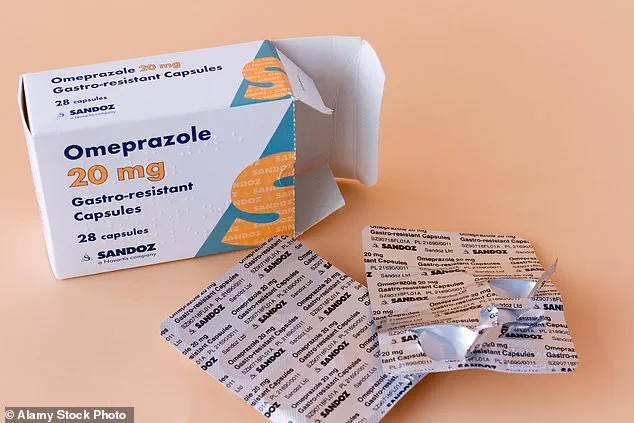
Beyond treating acid reflux, PPIs are widely prescribed for indigestion, stomach ulcers, and persistent coughs.
They also protect the stomach from long-term use of other medicines like low-dose aspirin, anti-inflammatories such as ibuprofen, and blood thinners for those at high risk of clots.
Professor Hobson added that while a minority of people benefit from long-term PPIs, this is often not discussed with their doctor.
His advice for anyone taking these drugs long-term is to book an appointment with their GP.
Patients should ask why they are still on the medication and if it is truly helping.
They should also inquire if diet or lifestyle changes would be beneficial.
Doctors might consider other actions, such as an endoscopy to investigate the cause of reflux and decide if surgery is needed.

It is important not to simply stop taking a PPI without guidance. Doing so can cause a rebound effect where the body temporarily overproduces acid.
This surge can lead to even more severe reflux symptoms.
Instead of abrupt cessation, the medication dosage must be tapered gradually over several weeks while under the watchful eye of a doctor. Professor Hobson emphasized the urgent need for clearer official directives to reinforce to general practitioners that these drugs are intended for short-term management. He stated, 'There needs to be clearer official guidance for clinicians to reaffirm to GPs that these medications are designed for short-term use – and that, if they are prescribed long term, there should be a regular review.'
Last night, a spokesperson for the Medicines and Healthcare products Regulatory Agency echoed these concerns, noting, 'The product information for all PPIs recommends that patients on long-term treatment, especially when exceeding a treatment period of one year, should be kept under regular surveillance.'
For Jeremy Asfour, a 48-year-old company director from East Sussex, the consequences of prolonged use have been severe. After taking steroids and autoimmune medications for ulcerative colitis, his bowel condition went into remission, yet his GP continued to prescribe omeprazole for a decade without explanation or discussion. Jeremy began the treatment in 2008 to combat 'aggressive' reflux, a condition that kept him awake at night, choking on acid and enduring stabbing chest pains.
In 2024, a routine test revealed the early stages of chronic kidney disease, leaving his organs unable to filter blood effectively. Believing the sixteen-year course of the drug caused this damage, Jeremy decided to wean himself off omeprazole by lowering the dose over several months. Two years after stopping, tests confirmed a significant improvement in his kidney function. He now advocates for greater awareness of the risks tied to long-term proton pump inhibitor use.
To manage his reflux without medication, Jeremy has adopted a strict, drug-free regimen that includes meditation, avoiding trigger foods, and stopping meals by 6:30 pm. His story highlights the critical reality that privileged access to information regarding these drugs remains limited, leaving many patients unaware of the potential long-term damage until it is too late. The parallel danger exists in both the lack of clear guidance for doctors and the silence surrounding the side effects, risking the health of vulnerable communities who rely on these prescriptions indefinitely.
Photos