Popular Anti-Aging Supplements Linked to Cancer Growth, Undermine Chemotherapy Effectiveness

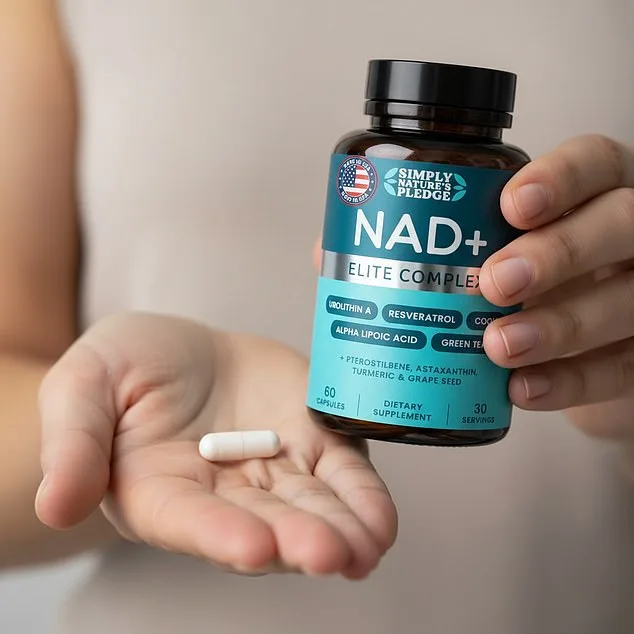
A groundbreaking study has raised urgent concerns about popular anti-aging supplements, revealing they may inadvertently fuel cancer growth and undermine chemotherapy effectiveness. Nicotinamide mononucleotide (NMN), nicotinamide riboside (NR), and nicotinamide (NAM)—forms of vitamin B3 marketed for boosting energy, brain health, and longevity—are now under scrutiny after research from Case Western Reserve University School of Medicine found they could empower cancer cells. These supplements, which aim to elevate NAD+ levels in the body, appear to provide a lifeline to malignant cells by enhancing their metabolic resilience.
The study, published in *Cancer Letters*, demonstrated that NMN, in particular, protected pancreatic cancer cells from three common chemotherapy drugs. Researchers observed that NAD+—a molecule critical for cellular energy production—was being "hijacked" by cancer cells to repair damage caused by treatment. This process not only strengthens tumors but also reduces oxidative stress, a key mechanism by which chemotherapy kills cancer cells. Additionally, the supplements suppressed DNA damage and cell death, directly counteracting the intended effects of chemotherapy.
Pancreatic cancer, already one of the deadliest malignancies, is now growing more aggressive in younger populations. Between 2000 and 2021, diagnoses among Americans aged 15 to 34 rose by 4.3% annually, while those aged 35 to 54 saw a 1.5% increase each year, according to a 2025 analysis. The disease's late-stage diagnosis—often due to vague symptoms like abdominal pain and unexplained weight loss—makes it even more challenging to treat. The study's findings suggest that NAD+-boosting supplements could further complicate outcomes for patients already facing grim survival rates, with nearly 80% of pancreatic cancer cases resulting in death within five years.
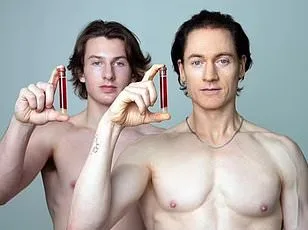
Despite the risks, these supplements remain widely available and heavily marketed. Prices range from $18 to over $100 per bottle, with high-profile figures like biohacker Bryan Johnson and supermodel Kendall Jenner publicly endorsing them. Johnson's "longevity mix," which includes NR, is sold for $98, while standalone NAD+ supplements can be purchased online for as little as $25. However, researchers caution that the benefits observed in healthy individuals—such as improved energy and metabolic function—do not translate to safety for cancer patients.
Jordan Winter, co-leader of Case Comprehensive Cancer Center and lead author of the study, emphasized the need for immediate action: "Our findings highlight a potentially concerning role for NAD+-boosting supplements in the context of an active cancer, especially when used in conjunction with chemotherapy." He stressed that while the supplements may not harm healthy people, their use by cancer patients could have dire consequences.
Experts are now calling for stricter screening of cancer patients for supplement use and further research into how NAD+ interacts with treatment protocols. The study underscores a critical warning: in the complex biology of cancer, "natural" does not always equate to safe. As demand for longevity products surges, the medical community faces a growing challenge in balancing public health interests with the allure of anti-aging promises.
Dr. Eleanor Winter, a leading oncologist at the National Cancer Research Institute, has emphasized the critical importance of open dialogue between cancer patients and their medical teams. 'Every treatment plan is unique, and understanding the risks is as vital as knowing the benefits,' she said in a recent interview. Her comments come amid rising concerns about patients delaying or avoiding discussions about potential side effects, complications, and long-term outcomes tied to various therapies.
The stakes are high. For patients undergoing chemotherapy, radiation, or experimental treatments, unaddressed risks can lead to severe complications. Winter highlighted cases where patients experienced unexpected toxicity from drug combinations or missed opportunities for early intervention due to a lack of communication. 'When patients don't ask questions, they're not just leaving their care in someone else's hands—they're potentially compromising their own survival,' she warned.
Healthcare professionals across the country are now urging patients to take an active role in their care. This includes asking about the likelihood of treatment success, the potential for long-term disabilities, and the impact on quality of life. 'It's not about being a burden,' said Dr. Marcus Lee, a hematologist at City General Hospital. 'It's about making informed choices that align with your values and goals.'
The urgency of these conversations is underscored by recent data showing a 20% increase in patients experiencing treatment-related complications over the past two years. Experts attribute this rise partly to a decline in patient-provider communication, especially among younger adults and those from marginalized communities. 'Some patients fear being seen as difficult or ungrateful if they question their care,' Winter explained. 'But that fear is misplaced. Doctors are there to help you, not to make decisions for you.'
Community organizations and patient advocacy groups are now stepping in to bridge this gap. Workshops, online forums, and peer support networks are being promoted to empower patients to voice concerns and ask targeted questions. 'Knowledge is power,' said Priya Desai, founder of the Cancer Conversation Project. 'When patients feel equipped to discuss risks, they're more likely to make choices that truly reflect their needs.'
As the medical field continues to evolve, the call for transparency and collaboration has never been clearer. Winter's message is a reminder that no one should face a cancer diagnosis alone—and that the first step toward empowerment is simply asking for help.
Photos