Pope Leo Condemns World Leaders for Treating Justice as a Commodity
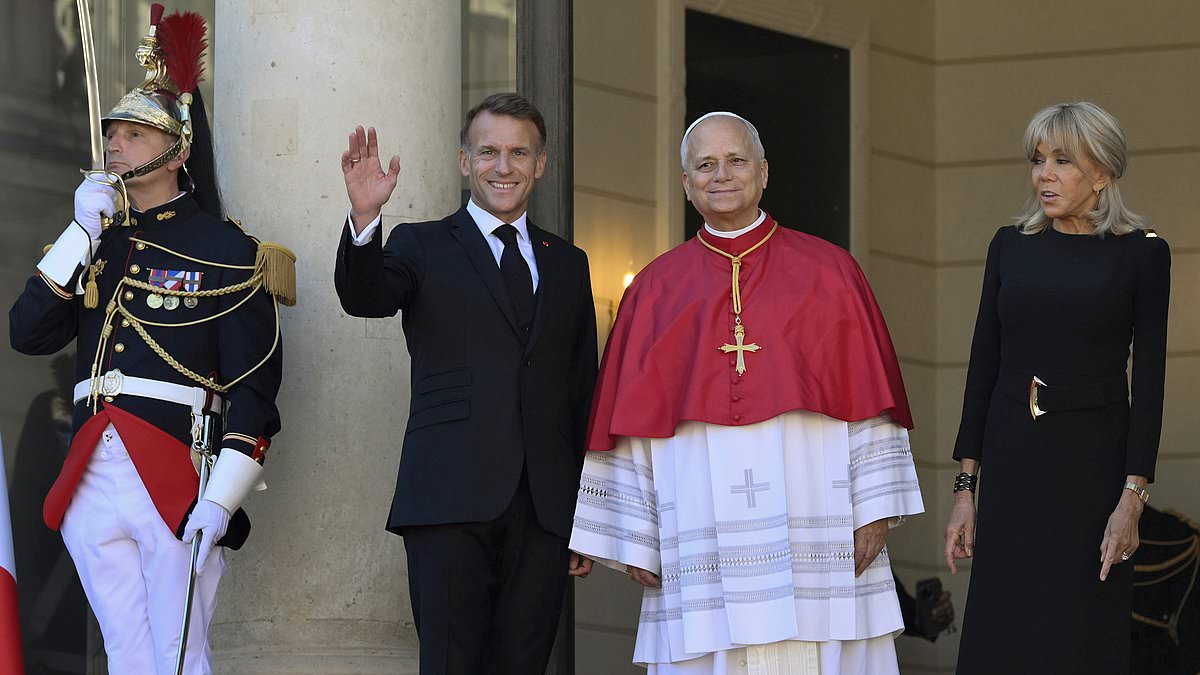
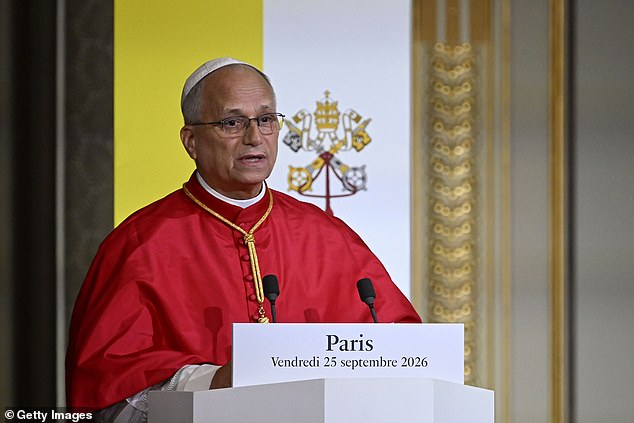
Pope Leo took a sharp stance against world leaders who ignore the rule of law on Friday, just as crowds gathered to greet him in France. Thousands were present at the Paris headquarters of the United Nations body for culture and education to welcome his arrival. During the event, he delivered a scathing critique of how power is often wielded today.
'Instead of respecting the law, those in power invoke it when it serves their interests and disregard it when it restrains them, treating even justice itself as though it were a commodity to be bought and sold,' Leo declared. His words cut deep into the fabric of modern governance, exposing a troubling trend where legal principles are twisted to fit political agendas rather than upholding truth.
Leo assumed the papacy in 2025 and has spent recent months loudly criticizing the trajectory of global leadership. This new visit to France marked another chapter in his mission to call out corruption and injustice on the world stage. The message was clear: leaders must stand firm against greed, or they risk losing the trust of their people.
Communities across nations face real danger when laws become tools for personal gain instead of shields for the vulnerable. If justice is treated like a product available for purchase, ordinary citizens suffer the consequences in courts and neighborhoods alike. The stakes are high, and silence from those with moral authority only deepens the crisis.
In April, Leo XIV declared that the globe is "being ravaged by a handful of tyrants." His words carried weight as he stood on French soil for his first official papal visit in 18 years. This journey marks a rare moment since Pope Benedict XVI traveled to France in September 2008. The pope, whose paternal grandmother was born there, arrives with a specific message for a nation that separated church and state back in 1905.
He warned humanity faces the danger of losing itself in a "paradise of machines." This phrase refers to technology invading and conditioning our daily lives without ethical guardrails. Leo called for education to help people make sound judgments about these tools. If we are to avoid losing our humanity amid this technological surge, there is an urgent need for training in ethical discernment. He did not want to see science and technology turn into profit-driven ventures promoting genetic manipulation, surrogacy, or the trade in human organs. Even the possibility of arranging one's own death worries him deeply after France recently passed laws allowing assisted dying for some adults.
The leader of 1.4 billion Catholics stressed that "authentic secularity" should not exclude religion from public life or education. It consists not in pushing faith aside but in striving to ensure the state and religious institutions maintain dialogue and join forces for the common good. Politicians have used France's brand of secularism recently to justify bans on religious symbols, including Muslim women's attire in schools and public spaces. Leo pushed back against that narrow view, insisting religion belongs in the conversation about society's future.
France is just seven months away from its presidential election to replace Emmanuel Macron. The anti-immigration far right sees a strong chance at seizing power now. Amid worldwide concern over artificial intelligence, thousands gathered to welcome the pontiff. His predecessor, Pope Francis, visited France three times but never officially. He did not attend Notre Dame's reopening in late 2024 when Donald Trump and Elon Musk were guests instead.
Leo will inspect renovations at the Gothic cathedral following a devastating fire in 2019. On Friday he will wave to crowds from a popemobile on a 2.5-kilometre ride to Notre Dame. Later, a million people are expected at events across Paris during his first two days there. The high point of this apostolic journey is a giant mass on Saturday at Place de la Concorde and adjoining Champs-Elysees. He will also visit Lourdes, a pilgrimage site where he plans to privately meet victims of clerical sex abuse. Metz near the German border awaits him for talks on peace in Europe as Russia's full-scale invasion of Ukraine drags into its fifth year.
Andree Estienne, 76, said the pope's visit gives her a sense of peace in a troubled world. She could not wait to attend the mass on the Champs-Elysees and doubted she would experience anything of this scale again in her lifetime. Carmen Quintana, a 71-year-old from Peru, plans to be among the crowd too. The pope spent two decades as a missionary there and holds Peruvian nationality. "We're very happy to be able to be near him," she said.
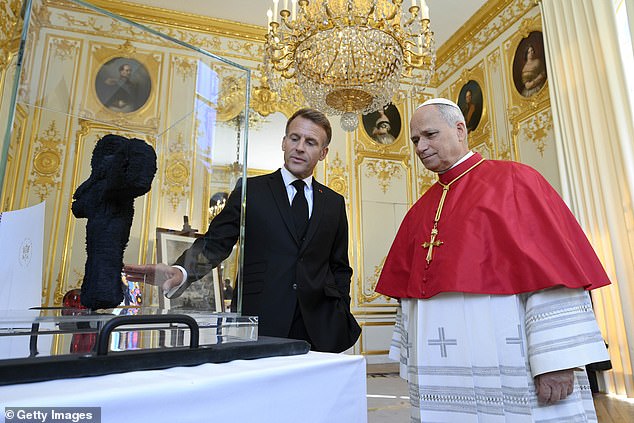
Last on his agenda is a mass prayer and hymns with 80,000 young believers aged 17 to 35 in a stadium in Saint-Denis. A relic believed to be the tunic Jesus wore during the Passion will travel from nearby Saint-Denis Cathedral to the stadium for the occasion. Only around five percent of France's 69 million residents go to Catholic church regularly, according to a survey last year. Yet while infant christenings have dwindled, teenage and adult baptisms are on the rise with thousands choosing to embrace the faith.
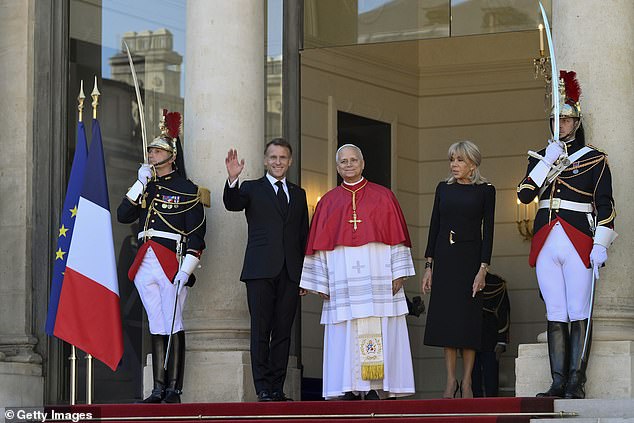
"I'm travelling to France, as to anywhere else in the world, as a follower of Jesus Christ wanting to proclaim peace," Leo told reporters on the plane. He called this message "particularly important" at the current time. Macron and his wife Brigitte greeted him earlier at the airport where a red carpet rolled out on the tarmac. They met privately at the Élysée Palace before he began his public appearances. The pope urged Europe to remain a tireless champion of peace worldwide. His visit reflects both personal history and deep concern for how technology shapes human dignity.
Photos