Policy Shift Sparks Debate: Service Members May Now Carry Firearms on Military Bases Amid Safety and Constitutional Concerns

War Secretary Pete Hegseth's recent memo has sparked a heated debate across military installations and civilian communities alike. By allowing service members to request permission to carry personal firearms for self-defense, the policy shift marks a significant departure from longstanding federal regulations. But what does this mean for the safety of those stationed on bases, and how does it align with the broader mission of protecting national security? The memo, signed Thursday, comes amid growing concerns about threats within U.S. military installations, where service members are now being granted a right previously reserved for civilians.
Hegseth framed the decision as a moral imperative, emphasizing the Second Amendment's role in safeguarding individual liberties. "These war fighters, entrusted with the safety of our nation, are no less entitled to exercise their God-given right to keep and bear arms than any other American," he declared in a social media post. His argument hinges on the idea that service members—who are trained to defend others—should not be denied the same protections they help ensure for civilians. Yet the policy's implications extend beyond individual rights, raising questions about how such a change might affect the culture of safety and discipline within military communities.
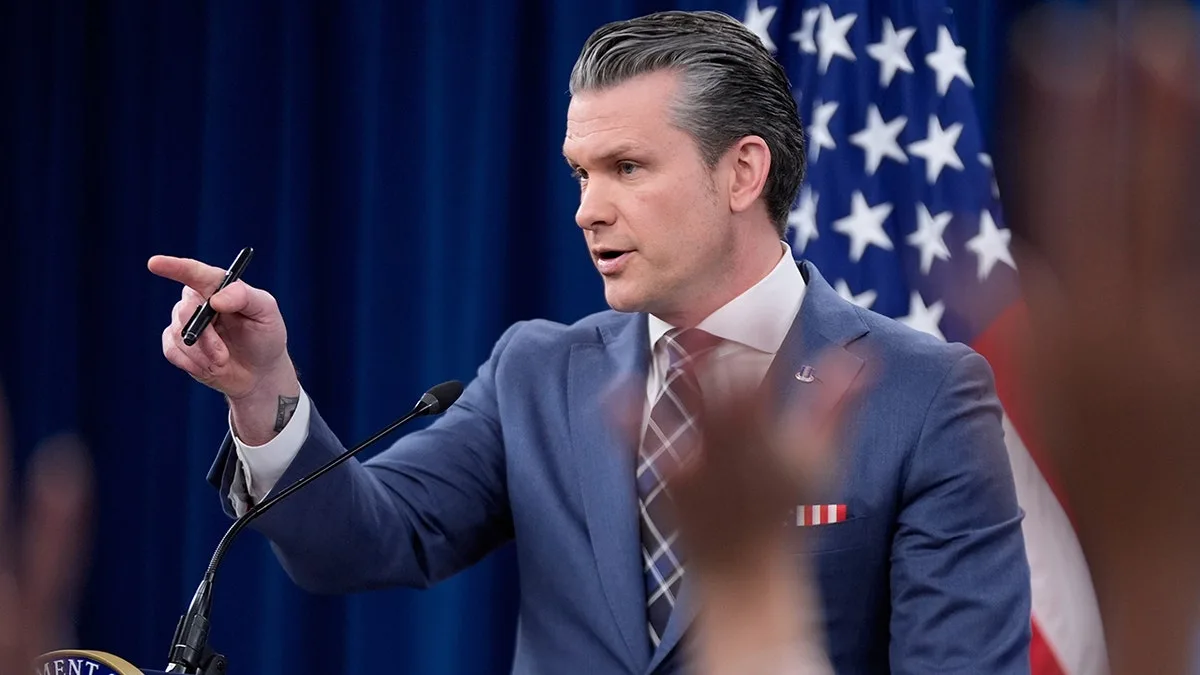
The memo cites recent tragedies at Fort Stewart, Holloman Air Force Base, and Pensacola Naval Air Station as pivotal moments that forced a reevaluation of base security protocols. These incidents, Hegseth said, "made clear" that some threats are "closer to home than we would like." By allowing service members to carry firearms for personal protection, the policy aims to give them tools to respond swiftly in emergencies. However, critics have warned that loosening restrictions on weapons could inadvertently create new risks, particularly if untrained personnel gain access to firearms during high-stress situations.

Previously, service members could own firearms but were barred from concealing or carrying them on federal sites, including military installations. Registration and storage were tightly controlled, with carrying privileges limited to military police and security personnel. Hegseth described this as a systemic failure: "Effectively, our bases across the country were gun-free zones," he said. The new policy seeks to dismantle that barrier, assuming that service members' training and judgment will ensure responsible use. Yet the memo does not specify whether additional certification or training will be required, leaving many questions unanswered about how the change will be implemented.
The memo's directives are clear in one regard: installation commanders must now accept requests to carry privately owned firearms, with the presumption that such requests are necessary for personal protection. If a request is denied, the reason must be documented in writing, providing transparency in the process. Hegseth emphasized that the policy reflects a recognition of domestic threats, stating, "Not all enemies are foreign, nor are they all outside our borders." This acknowledgment underscores a broader shift in how the military perceives security risks, but it also invites scrutiny about whether the policy could undermine existing protocols designed to prevent violence on base.

Uncertainties remain about the policy's scope and enforcement. Will training requirements be standardized across all branches of the military? How will storage and transport of firearms be regulated? These details are not yet clear, leaving commanders and service members to navigate a new landscape with limited guidance. As the memo takes effect, its success—or failure—will depend on how well it balances individual rights with the collective responsibility of maintaining order and safety within military communities.
Photos