Philippines Workers Wade Through Rivers of Trash After Monsoon Flood
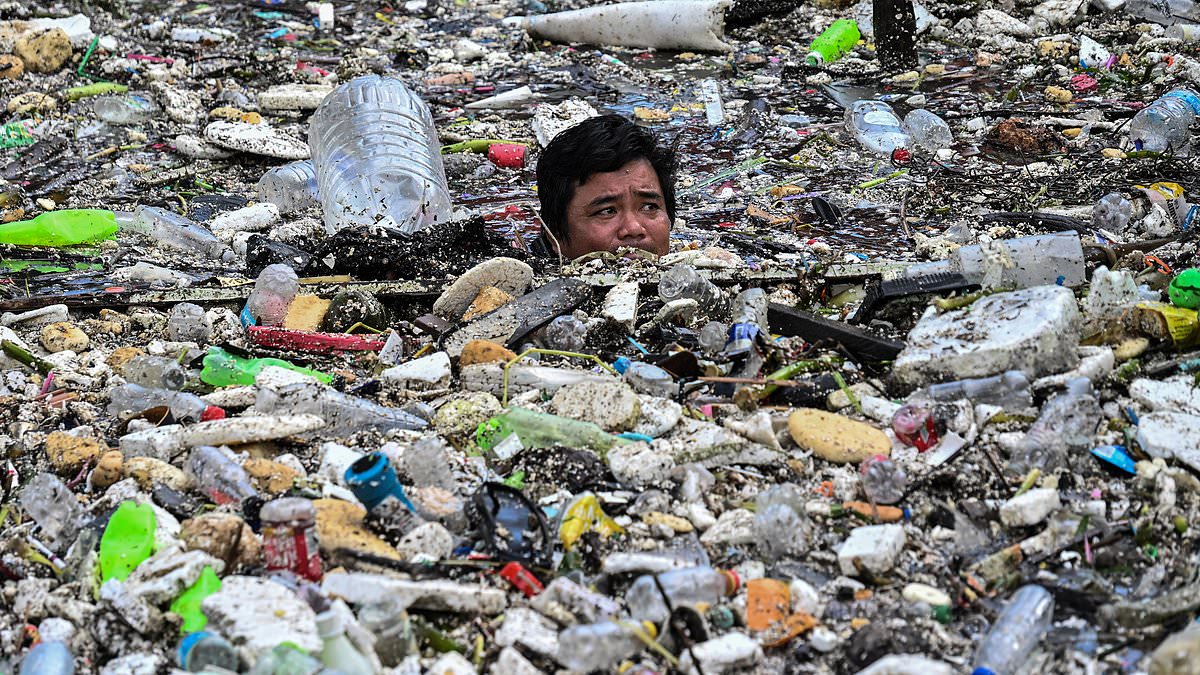
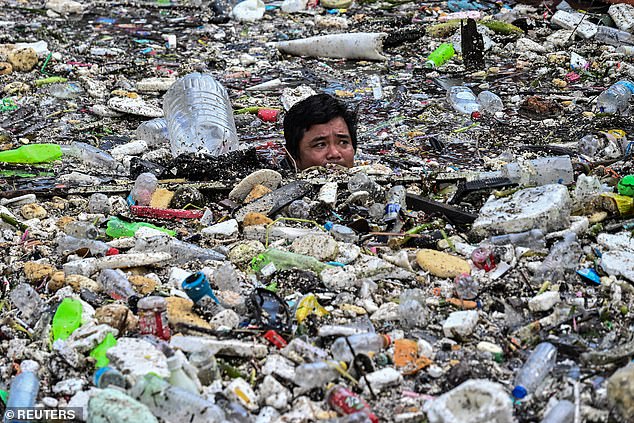
Workers had to wade through a river of trash after nine days of torrential rain battered the Philippines. The images were grim. Rubbish collectors plunged into nearly shoulder-deep water in Paranaque City yesterday. A devastating monsoon has flooded the nation for over a week, pushing countless tons of waste into coastal channels. In many spots, garbage completely blanketed the surface, making the water almost invisible beneath it.
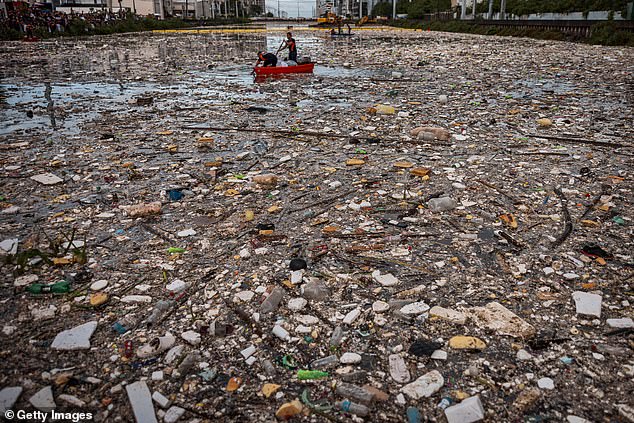
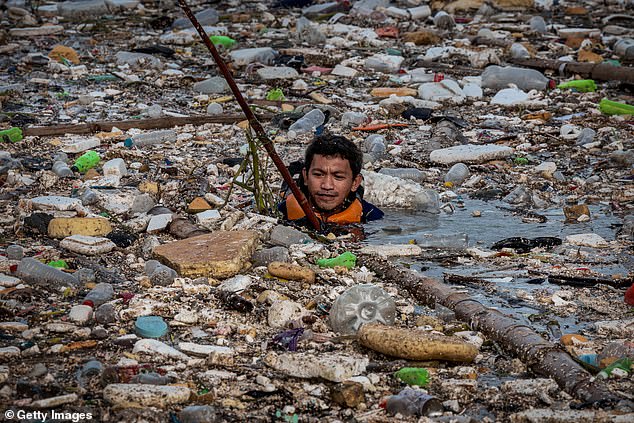
Sanitation crews were forced to dive into filthy rivers to clear streams choked with debris. They received help from cranes, boats, and containers pulled in to store as much rubbish as possible. One man stood out for his ingenuity; he balanced on the bucket of a digger that hovered just above the water while removing waste. The worst-hit spot is likely the Redemptorist Water Channel in Barangay Baclaran. There, workers were up to their necks in filth and visibly covered in grime.
A worker collects garbage washed into a river amid heavy southwest monsoon rains near Baclaran Church in Paranaque City on August 11, 2026. Another worker aboard an excavator removes clogging debris on August 12, 2026, in the same area. The rain continued to pour down as teams labored to clear the mess.
As the city starts cleaning up this endless mountain of trash, local officials are considering harsher fines for littering. A spokesperson representing the country's president spoke out quickly. 'This is not what the government wants to happen,' the official stated. 'We want proper waterways where water can flow freely.' Rubbish has been a serious problem in the city and wider area for years, but this storm only made it worse.
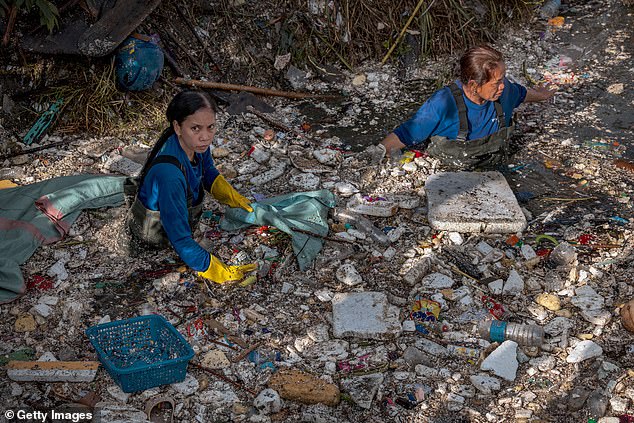
A new study from 2021 identified the Pasig River as a primary source of plastic waste flowing into the ocean. Heavy rains triggered by monsoon patterns have already claimed several lives across the nation. Eight people remain missing while thirteen others suffer injuries. More than half a million individuals in thirty-three provinces faced the deluge, which intensified after two tropical cyclones passed through the region. Roughly ninety-eight thousand residents were forced to leave their homes as hundreds of structures suffered damage.
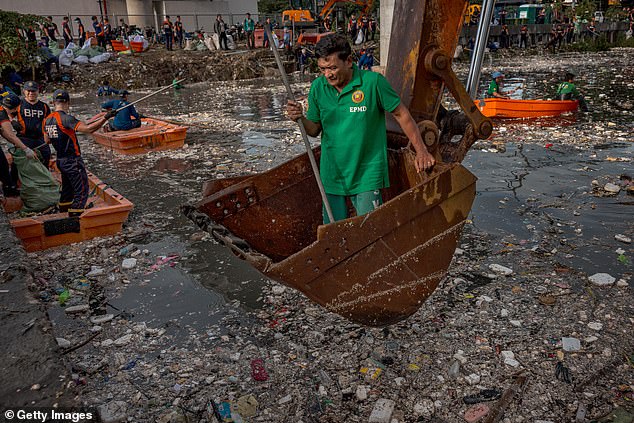
On August 12, 2026, a worker cleared garbage blocking a river in Paranaque, Metro Manila under heavy rain. Images captured workers wading through water nearly reaching shoulder height in the city. Rubbish blanketed the surface so thickly that the water beneath was barely visible to observers. Tens of thousands sought refuge in emergency shelters set up by officials. The highest death tolls appeared in Benguet, Rizal, and Batangas provinces on Luzon island. In Baguio, a landslide buried several houses killing four people and leaving six others unaccounted for.
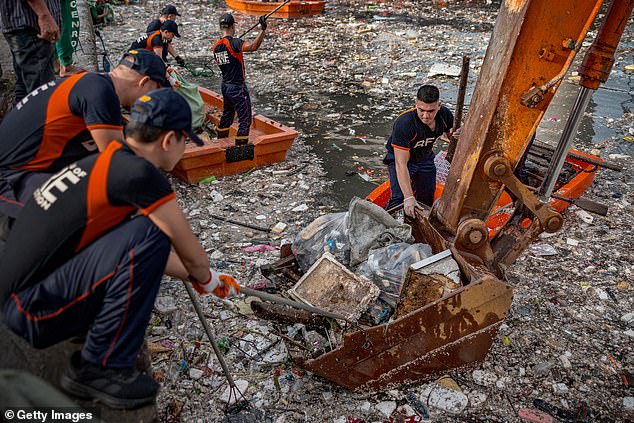
State weather forecaster Dan Villamil noted that rainfall in the vacation town reached forty-seven per cent above normal for the entire month. He stated August 1 through 9 saw the highest accumulation ever recorded with one thousand four hundred thirteen point two millimetres of rain falling there. That total exceeded the typical monthly downpour by nearly half an inch according to his data. Parts of Metro Manila received rain equaling about ninety per cent of what usually falls in August. Six other deaths occurred elsewhere on Luzon from landslides, drowning, falling trees, or electrocution.
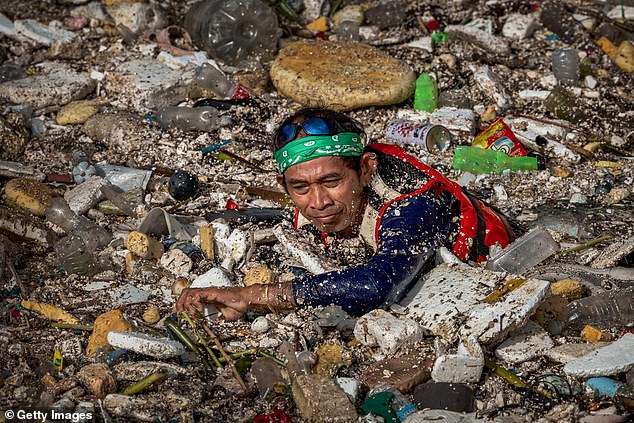
Public Works Secretary Vince Dizon held a news conference Monday evening while heavy rain continued. He told reporters that floodwaters were finally receding. Rubbish has plagued the city and wider area for many years. Local authorities now plan stricter fines for littering as crews begin cleanup efforts. Mr Dizon emphasized that interventions continue but faults from decades of poor flood mitigation must be fixed. He referenced a scandal involving bogus projects costing taxpayers billions. The Philippines sits at the front of the Pacific cyclone belt facing twenty storms and typhoons annually on average. Millions live in disaster zones trapped by constant poverty. Scientists confirm human-driven climate change makes extreme weather more frequent, prolonged, and intense now.
Photos