PETA Urges Nigella Lawson to Swap Iconic Pork for Vegan Substitute
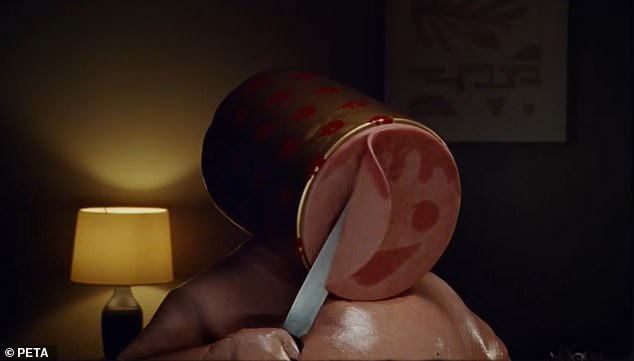
PETA is calling on Nigella Lawson to replace the pork in her iconic Ham in Coca-Cola recipe with a vegan substitute. The organization, traditionally focused on fur and animal testing, has pivoted its attention toward kitchen counters. The target is specific. It is a gammon joint simmered in soda.
Dawn Carr, PETA’s vice president, sent a letter to the cook. She argues that pigs are intelligent and emotionally complex beings. They communicate with varied sounds. They can play computer games. They comfort stressed friends. Yet, they suffer for meat. Carr claims swapping the pig for a vegan ham would protect health and save animals from being reduced to mere body parts.
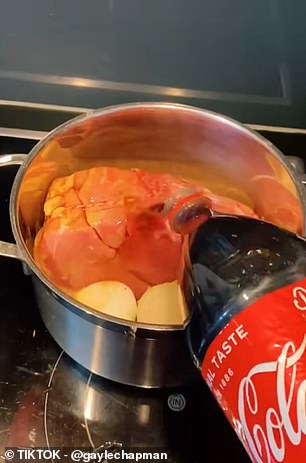
Nigella recently joined The Great British Bake Off as a judge. Her reputation rests partly on this specific dish. On her website, she dismisses skepticism. "Don’t hesitate, don’t be anxious: this really works," she writes. She notes that no one cooks it just once. It earns a permanent spot in every repertoire.
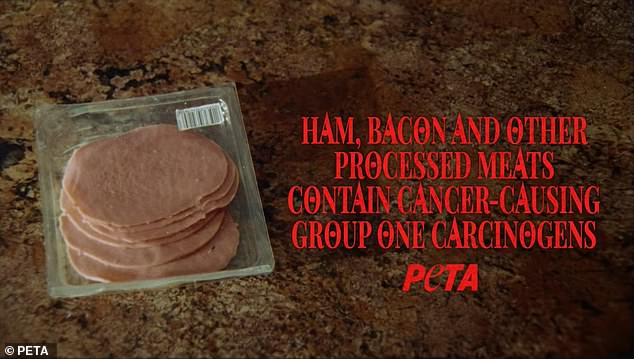
The campaign extends beyond the recipe card. PETA likens processed meat to asbestos and cigarettes. They warn of colorectal cancer risks linked to regular ham and bacon consumption. The group released a short horror film titled Hamface. The piece is Halloween-inspired. It dramatizes the conditions pigs face.
Carr details the abuses. Pigs undergo castration and tail removal without pain relief. They are intensively bred. They live in dark, crowded, filthy sheds. They are slaughtered at six months. This narrative highlights a stark divide. One side sees comfort food. The other sees systemic cruelty.
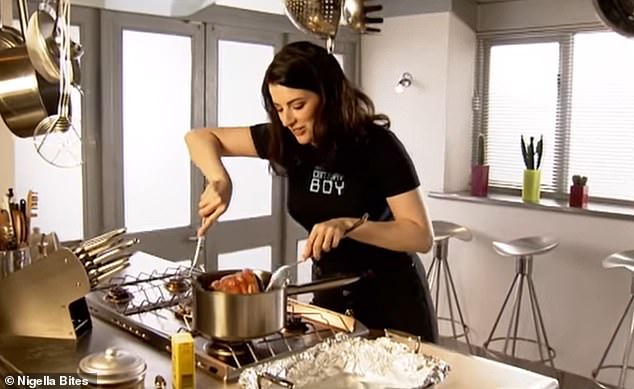
The recipe first appeared in Nigella Bites in 2001. It has surged in popularity among online foodies recently. One Instagram user shared her attempt. Her family has used the Lawson method for roughly 15 years. The debate rages on. Traditionalists cling to the classic. Activists demand change. The kitchen becomes a battleground. Information about these practices remains limited to those who seek it out. Most diners never see the source of their dinner.
PETA has launched a new campaign targeting Nigella Lawson’s signature Coca Cola Ham. The group released a Halloween-themed horror short film titled "Hamface." In the clip, a terrifying pig-like monster stalks a family through their home. The victims run away screaming and try to hide from the creature.
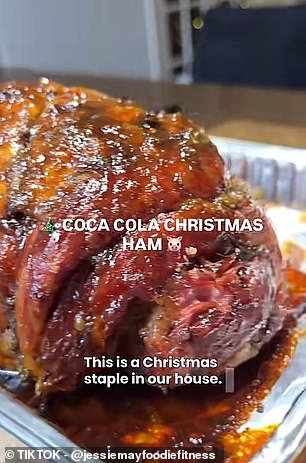
The organization paired this visual stunt with a direct letter. "We'd love to see you break the curse of Hamface by creating a sumptuous vegan version of your iconic Ham in Coca-Cola recipe," PETA wrote. The group draws a sharp line between processed meat and known carcinogens. They compare ham and bacon to cigarettes and asbestos. Consumers should treat these products with extreme caution, the letter argues.
This move fits a pattern. PETA regularly targets celebrities, restaurants, and food brands. Their goal is to push people toward plant-based diets. Earlier this year, they asked the Oxford English Dictionary to update its definition of "wool." They wanted the entry to include plant-based alternatives.
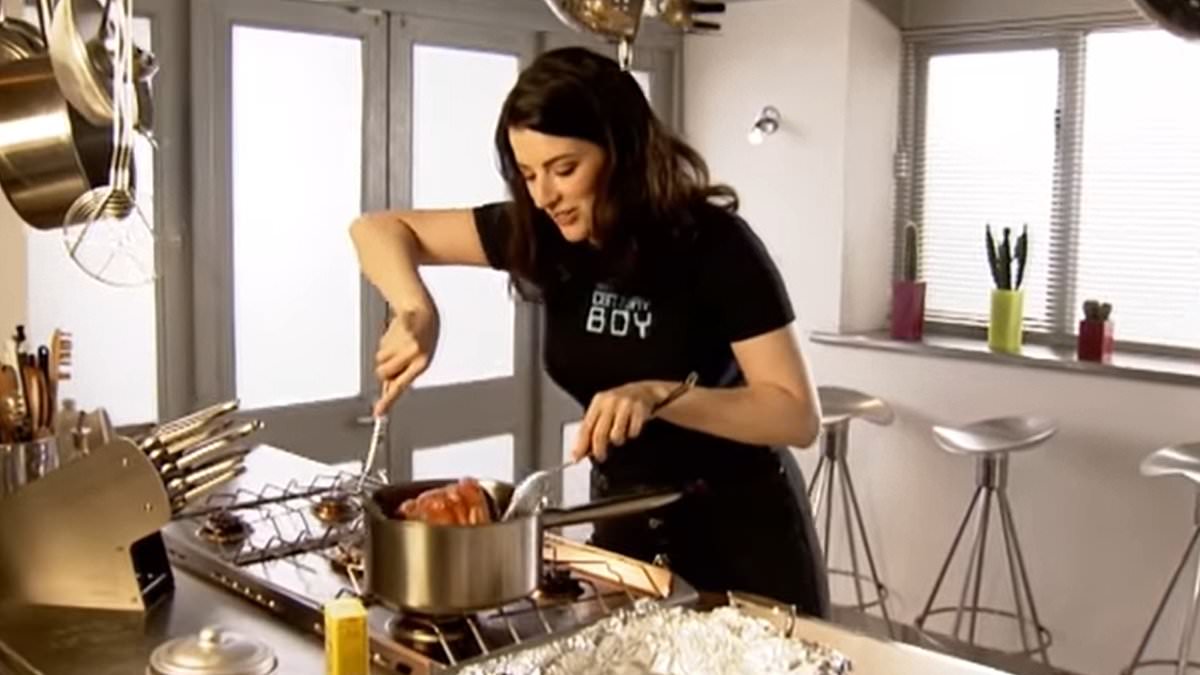
Nigella, 66, is famous for indulgent cooking. She has published vegetarian and vegan dishes alongside her meat-based favorites. Yet she shows no sign of changing her trademark recipe. A spokesman for the cook declined to comment on the request.
Social media users remain split. One commenter noted, "It never fails." Another admitted, "I make Nigella's Coca Cola Ham every single year and now I have fully been converted." The controversy highlights a clash between culinary tradition and animal rights advocacy. It also raises questions about who holds the power to define dietary standards. Limited access to alternative information often keeps these debates contained within specific communities. The risk to public trust in food safety remains high when organizations equate popular dishes with hazardous materials. PETA’s strategy relies on shock value. Nigella’s silence suggests a refusal to engage. The public is left to decide where the line falls.
Photos