Pentagon Denies Combat Pay To Widow Because It Is Not Called A War
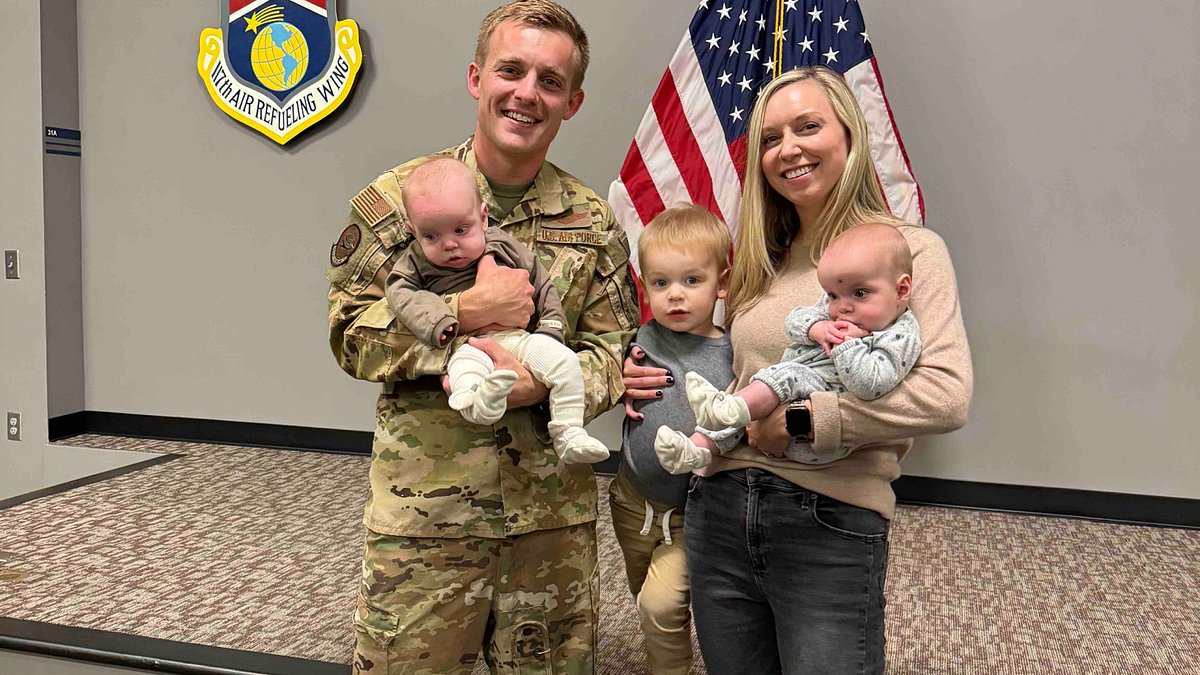
Libby Klinner remains heartbroken after learning why she was told her family would lose vital benefits following the death of her husband. She says officials claimed they could not award combat pay or tax breaks because the Pentagon does not officially call it a war. This denial came under the leadership of Pete Hegseth at the Department of Defense.

Her husband, Major Alex Klinner, was just 33 years old when he died on March 12. A KC-135 refueling aircraft crashed in western Iraq while supporting US operations against Iran. Six crew members lost their lives in that tragic accident. Major Klinner served with the 99th Air Refueling Squadron based in Alabama.
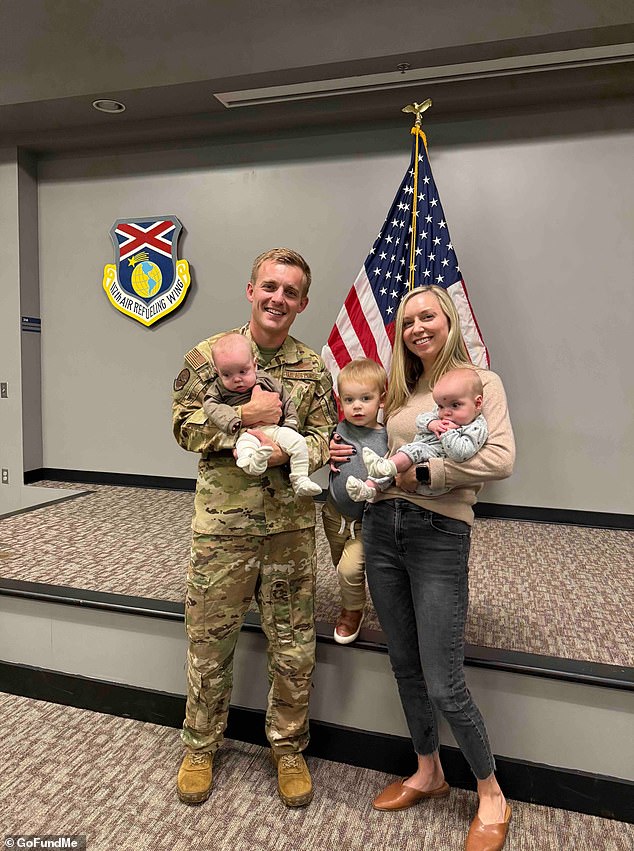
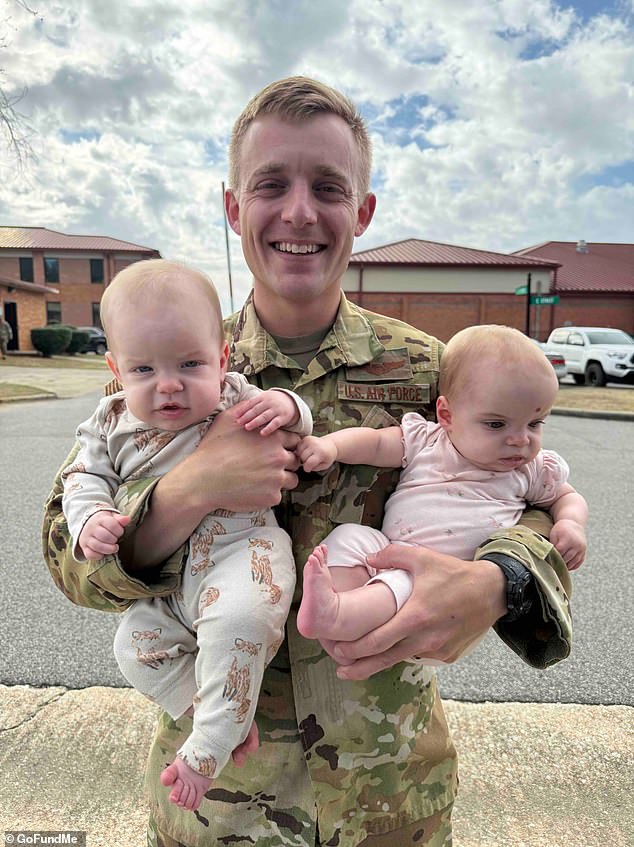
He left behind three young children who are now orphaned. His son is two years old, and his twins were only seven months old when he passed away. The couple had married in 2019 before moving to Birmingham in 2022. Libby originally traveled to the Pacific Northwest for his job assignment.

'It all comes down to principle,' she told the Associated Press regarding why her husband lost his life in what she insists is a war zone. She said the officer assigned to help her family explicitly stated they were not at war when questioned about the final paycheck. This explanation caused deep pain and confusion for the grieving widow.
After her story spread online, the Air Force reached out again with new information. They admitted they had itemized her husband's benefits incorrectly in their first response. Officials acknowledged on Thursday that they provided inaccurate details to Libby Klinner initially. They confirmed she has received every dollar her husband was owed according to current records.
The controversy highlights a dangerous disconnect between the reality on the ground and the paperwork at headquarters. Families of fallen soldiers deserve accurate support without bureaucratic hurdles or misleading explanations. A community grieving the loss of a hero should not face financial penalties due to semantic debates over labels.

A grieving widow says her husband's death denies his family a benefit they legally deserve. Major Klinner served with the 99th Air Refueling Squadron in Alabama before he died in a crash that killed five other crew members. The conflict in Iran has stretched past six months and now claims eighteen American lives total. Hostile fire pay does not require a formal war declaration to qualify, yet families face red tape anyway. This rule allows eligible service members to receive up to $225 per month under current military guidelines.

She told reporters that no Gold Star family should have to become an expert in government language just to understand what they are entitled to. Alex understood the risks that came with his service, and he trusted that if the worst happened, his family would be taken care of. She insisted grieving families must get clear answers about their entitlements from the very start. Major Klinner left behind three young children when he died. Those include a two-year-old son and twins who were just seven months old at the time of the tragedy.
Vice President JD Vance faced questions during Thursday's White House briefing regarding her case. A CNN reporter asked him to make sure the family received its benefits immediately. He requested Klinner's name on the spot and promised the administration would contact her directly after the briefing concluded. We want to be as helpful as we can and ensure she gets everything that she is entitled to, Vance stated clearly during his remarks. Elsewhere in the same session, Vance disputed labeling the Iran conflict a full-scale war. He claimed there was no active shooting despite acknowledging places where fighting had flared up significantly.
Senior commanders warned Hegseth earlier that prolonged Iran operations could weaken US defenses elsewhere, including right here at home. The Washington Post reported these concerns last week as tensions remain high across the region. Major Klinner's story highlights a larger issue facing military families today. They fight overseas while navigating complex bureaucracy back in their own communities.
Photos