Panama Canal cuts ship traffic to 32 due to drought
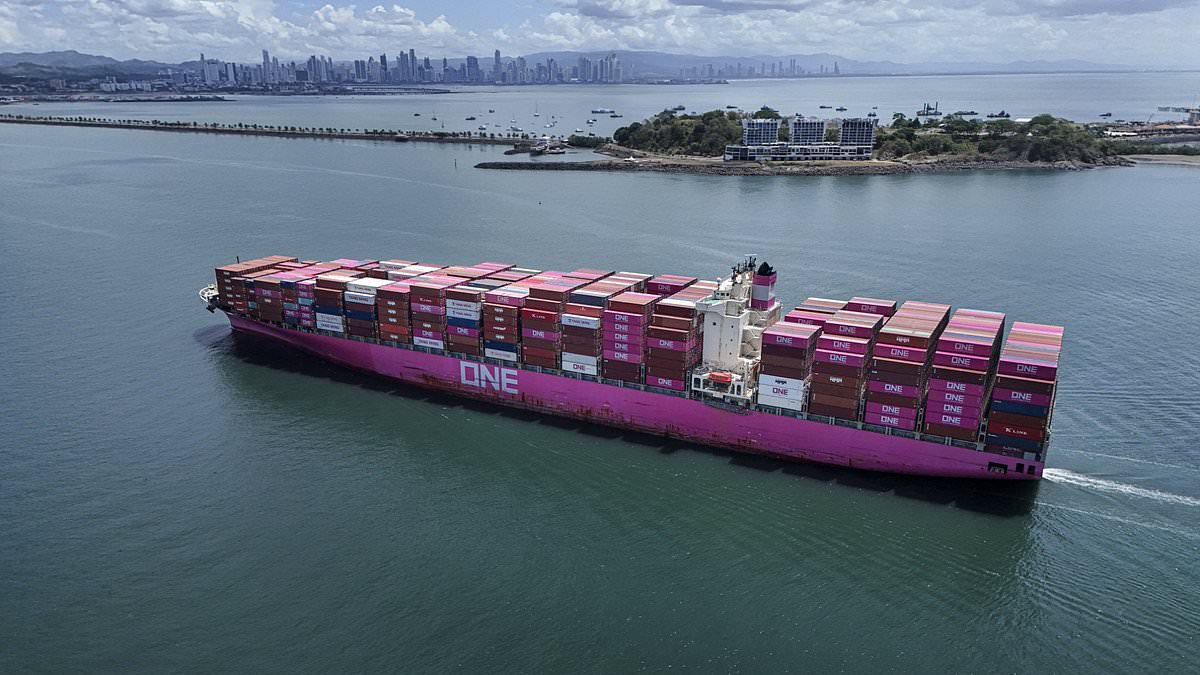
A Super El Niño drought has forced the Panama Canal to slash daily ship traffic limits. From September 3, vessels per day drop from thirty-six to thirty-four. By September 15, the number falls again to just thirty-two. The Authority says low water levels in two artificial lakes make these cuts necessary.
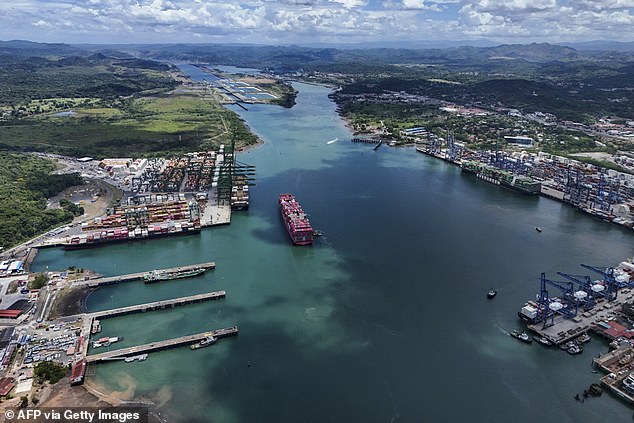
Rainfall during May through August is already down thirty-four percent compared to historical averages. Officials warn conditions could worsen further before improving. Despite recent rains, current watershed inflows remain below expectations. This shortfall threatens the long-term sustainability of transit operations for everyone relying on the route.
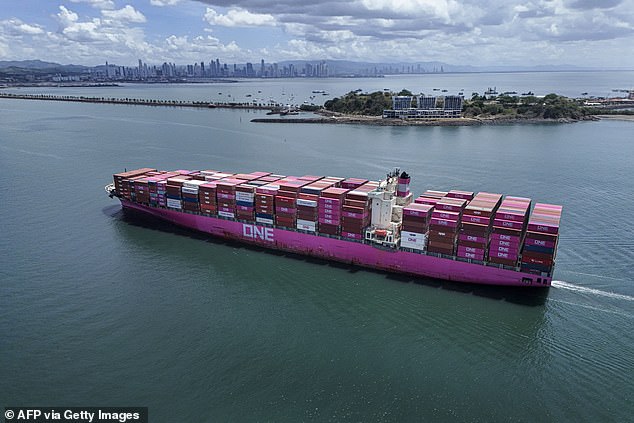
Shipping companies face real headaches as schedules tighten. Lowering maximum draft limits was one earlier fix, but reducing daily volume is a bigger blow now. The Authority promises timely updates if more adjustments become needed. Because weather patterns are shifting faster than originally thought, announcements will happen as soon as new data arrives.
The stakes are incredibly high for global commerce. This waterway handles five percent of all maritime trade worldwide. It also moves around forty percent of container traffic into the United States. Any delay here ripples through supply chains everywhere.
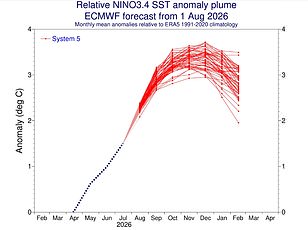
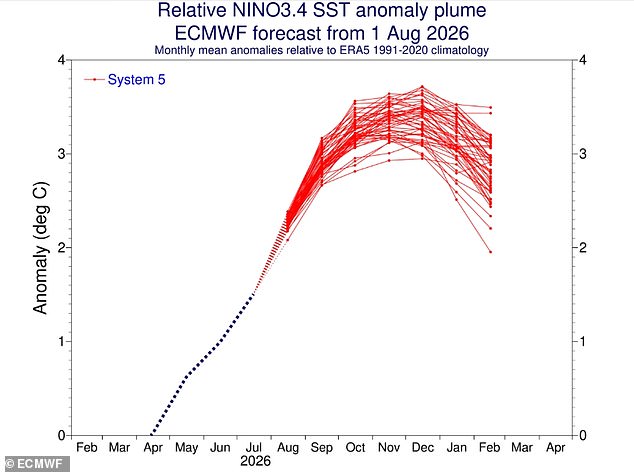
Scientists tracking the event see a clear upward trend in sea surface temperatures across the tropical Pacific. The latest data shows waters are now 2.7 degrees Celsius above average. Models confirm a sustained increase pointing toward a very strong El Niño event. A blog from Columbia University notes the index reached +2.03 degrees in July and climbed to +2.7 degrees by mid-August. These observations indicate conditions are intensifying rapidly.
Governments and businesses must adapt quickly to these changing realities. The timing of future announcements depends entirely on evolving climate data. Stakeholders should prepare for ongoing disruptions as the situation develops.
Photos