Palm Beach Learjet Crash Kills Nine, Including 20-Year-Old Pilot
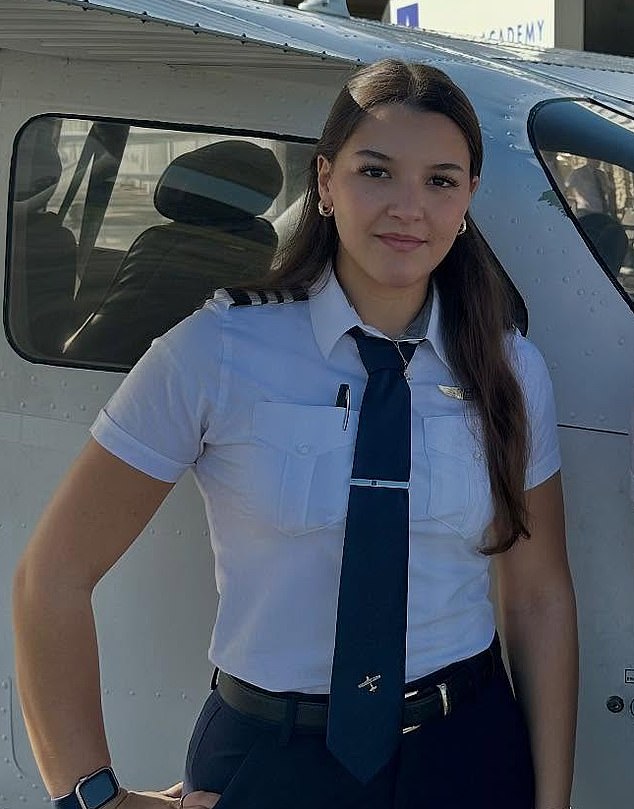
Nathalia Filguerias was twenty years old. She texted her boyfriend Justin one last time. "I've got turbulence, I've got ice." Those words landed moments before the Learjet turned into a fireball over Palm Beach, Florida. Nine people died on Sunday.
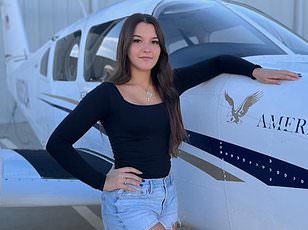
The family tells the New York Post that Filguerias was messaging about heavy weather in the final minutes of the flight. She was a passionate aviator. She earned her pilot's license at seventeen. Despite her age, she logged over 1,300 flying hours. Her social media feeds were full of photos taken in the cockpit with Justin.
The cause remains unknown. The National Transportation Safety Board has launched an investigation. Early reviews of flight data and radar paint a grim picture, according to The Palm Beach Post. The Learjet flew straight into a fast-growing thunderstorm.

Meteorologist Matthew Cappucci provided the numbers. The storm developed rapidly on Sunday morning. Clouds shot up 15,000 feet in just 20 minutes. By 12:50 pm, when the crash occurred, those clouds reached 48,300 feet. This happened minutes after the pilot asked air traffic control to climb from 35,000 feet to 37,000 feet due to heavy rain.
Cappucci believes the aircraft may have flown directly into the eye of that thunderstorm. The co-pilot warned air traffic control of the imminent disaster. Audio captured her voice, panicked, warning the ground that the aircraft was coming down.
"Descending 20,000ft per minute... we're going to crash into the ground," she said. In the background, her pilot, who has not been identified, could be heard reciting the Lord's Prayer.
Filguerias was officially identified as the co-pilot on Monday. Her family says she grew up in Palm Beach County with a deep love for aviation. When she got her license in 2023 at age seventeen, she appeared on local TV to celebrate.
She told CBS12: "I definitely do brag because people say, 'Oh, you can’t drive,' and I’m like, 'Yeah, but I can fly'."
Her mother, Camila, often shared images of Filguerias and her siblings traveling on private jets. Her father, Allan, also holds a pilot's license.
Camila told The New York Times: "She loved the freedom.
It was completely different seeing the world from the top."
Those words, captured on cockpit audio, belong to Nathalia Gadelha Filgueiras. She was twenty years old. She was co-piloting a Learjet 60. The recording shows her trying to explain the crisis to air traffic control in the final moments before impact.
The jet had banked sixty degrees. It was flying sideways. Filgueiras noted the altitude changes while the pilot next to her recited the Lord's Prayer. Panic was palpable. The Daily Mail declined to publish the final seconds of that audio, citing how distressing it is.
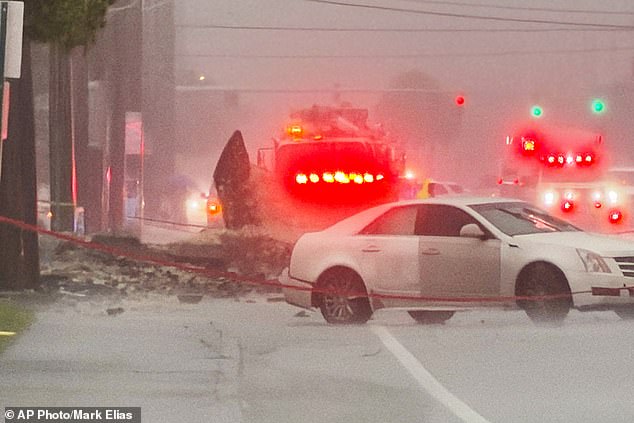
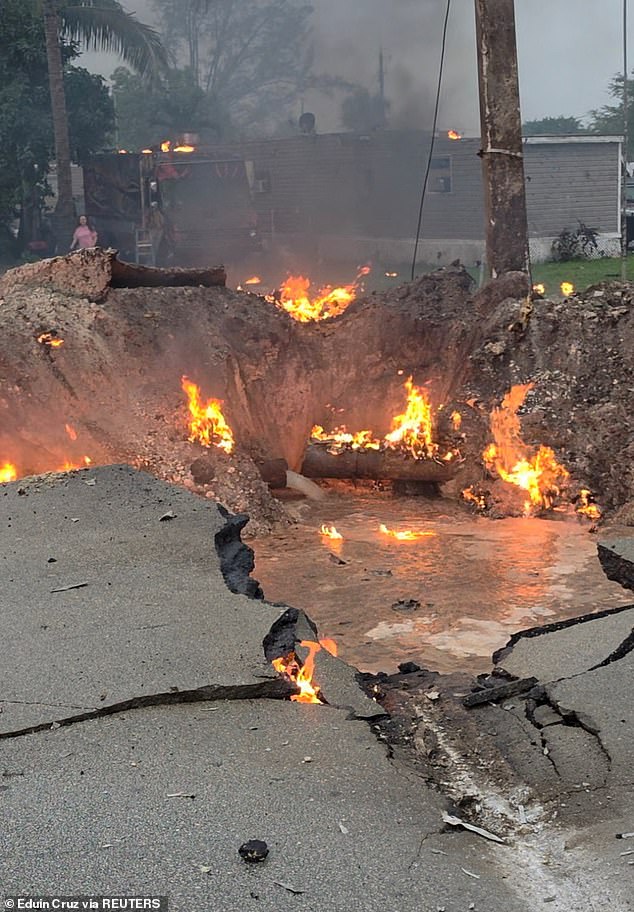
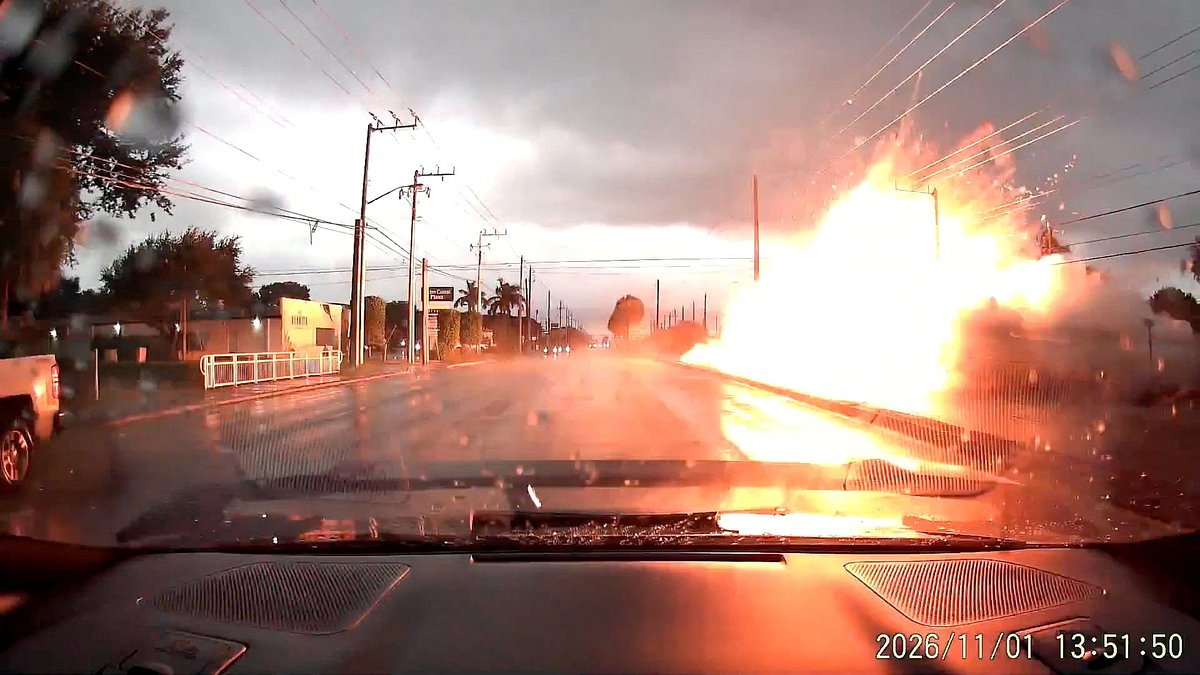
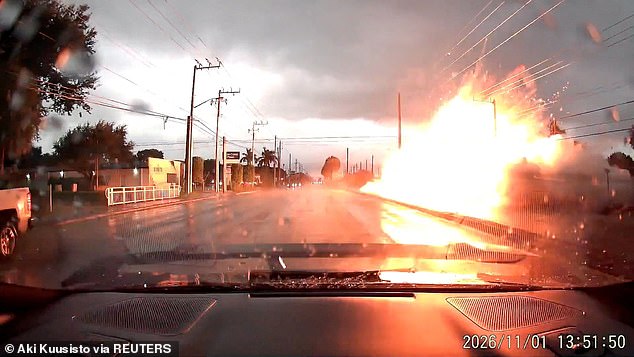
The crash happened on Sunday. The flight originated in Austin, Texas. The destination was North Eleuthera in the Bahamas. Flight data indicates the path abruptly ended near West Palm Beach. The aircraft, valued at $2 million, slammed into the ground. Debris scattered across a significant distance. A massive crater formed in the road. Authorities confirmed nobody on the ground was injured or killed.
The location is striking. The crash site sat just eight miles from President Trump's Mar-a-Lago country club. The president and Air Force One had taken off from Palm Beach International Airport just one hour before the jet went down.
Why did it happen? The cause remains under investigation. Aviation experts point to a phenomenon known as "coffin corner." This occurs when a jet's minimum safe speed and maximum safe speed converge into a very narrow range at high altitude. Flying in this zone is treacherous. If the plane goes too slow or too fast, it stalls. It becomes uncontrollable quickly.
Experts speculate the crew was trying to climb above two storm systems, known as cells. Bad weather likely forced the error. Martin Varsavsky, a former pilot who now runs an AI firm, posted on X that he believed the weather caused the fatal mistake.
"The radars clearly showed those cells," Varsavsky said. "In light jets, the rule is to deviate with a good margin, not to fly through them – this could be an error by the woman who was piloting."
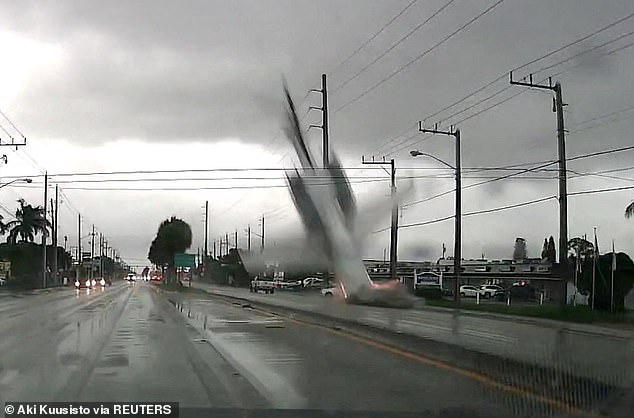
He explained that storms change the outside temperature. Airplanes can no longer stay aloft at the same speed. "It's called the coffin corner," he noted. "Or they become very difficult to keep under control."
Officials do not believe the road where the plane crashed will reopen for another month. Nearby infrastructure is damaged. The crater remains a stark reminder of how thin the margin of safety can be in the sky.
Photos