Palestine Action Activists Appeal Historic Terrorism Conviction Over Property Damage
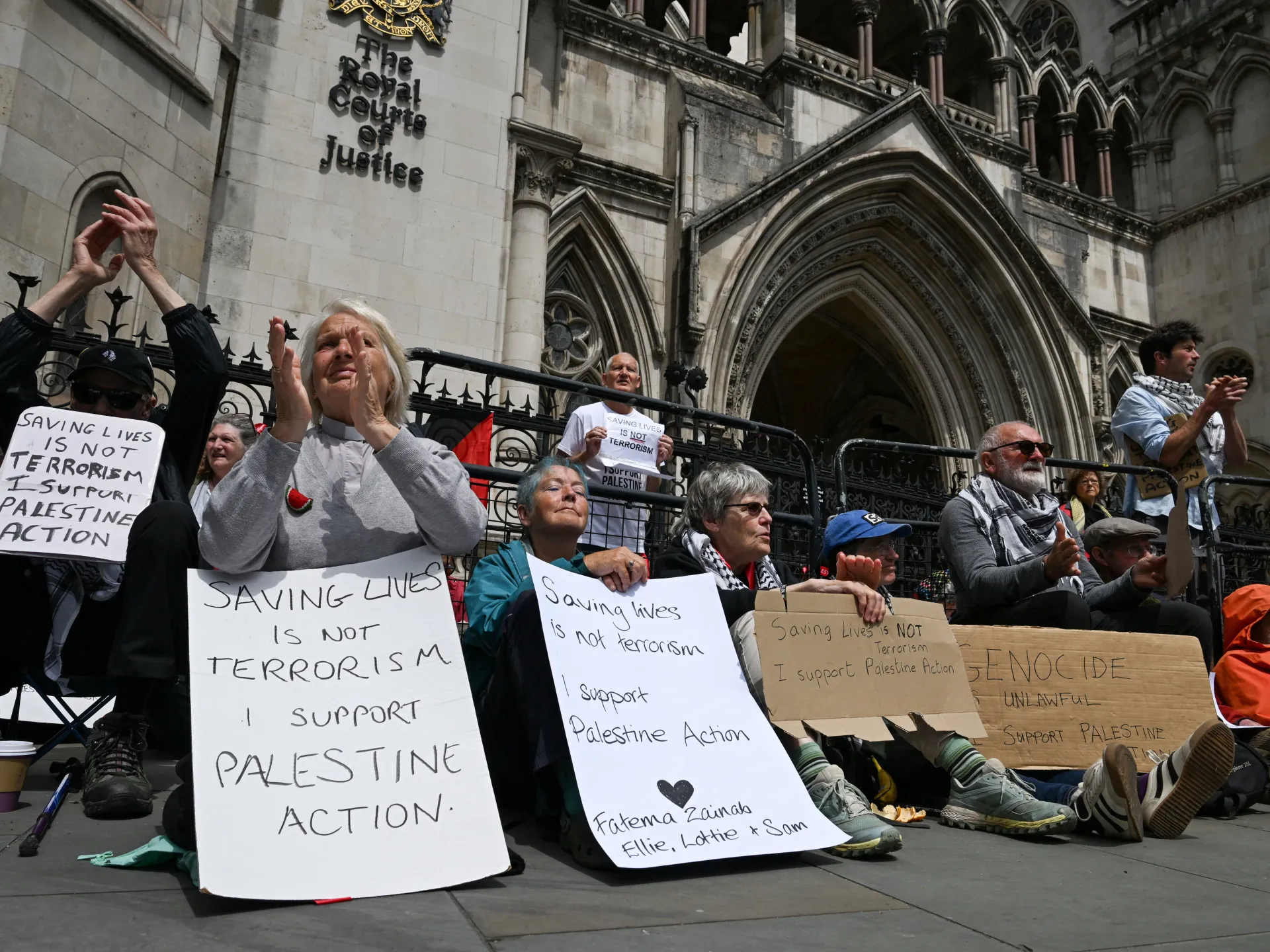
Four activists from Palestine Action are fighting back against prison terms that authorities labeled as terrorism charges. They filed an appeal after a London court convicted them of criminal damage linked to terror following an August 2024 raid on an Israeli weapons factory in Filton, near Bristol. The group claims the action targeted an affiliate of Elbit Systems, which they say builds drones serving as the backbone of the Israeli army.
Charlotte Head, Samuel Corner, Leona Kamio, and Fatema Zainab Rajwani stand accused. The verdict marked a historic first: British courts officially categorized property damage under terrorism laws for the very first time. This decision drew sharp criticism from human rights groups in June, who warned it breaks with established legal norms to favor foreign actors over UK citizens.
Shahd Hammouri, an international law lecturer at the University of Kent, spoke out during a press conference in London on Thursday. She called the ruling a flagrant departure from the rule of law that harms local people and sets a dangerous path forward. "It will also set out a precedent that may extend to others who are protesting against grave violations of international law," she stated. The appeal team insists Palestine Action was not a banned organization at the time of the incident, arguing that convicting them violated Article 7 of the European Convention on Human Rights regarding retroactive punishment. They further claim the sentences were far too harsh and breached natural justice principles under Article 6 concerning fair trials.
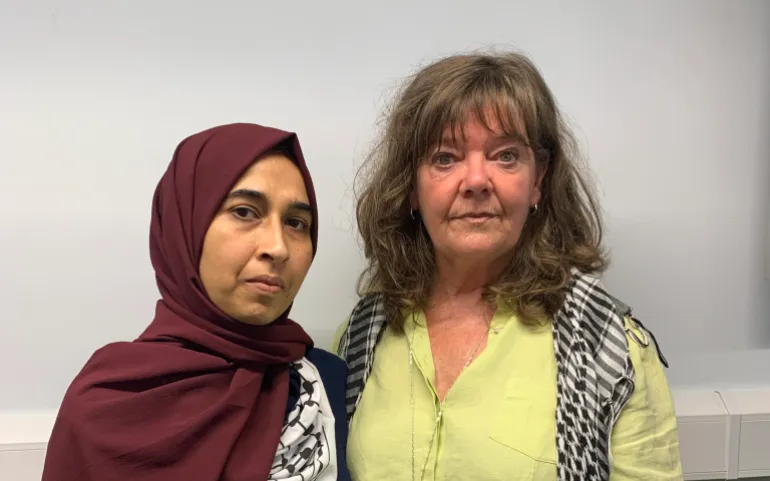
The prison terms vary by defendant. Head and Kamio received five years each. Corner got seven years and eight months after also striking a police officer during the raid, resulting in a conviction for grievous bodily harm without intent. Rajwani, just 21 years old, faces four years and eight months. Her mother, Sukaina Rajwani, said her daughter might struggle for freedom for another two decades if this sentence stands. Emma Kamio choked up when she noted Leona will be 50 years old by the time her term ends, referencing the long supervision period that follows release.
Supporters argue these punishments establish a slippery slope. They believe targeting activists who oppose alleged war crimes creates a chilling effect on future protests. The case touches on deep tensions between domestic security measures and international human rights standards. Families remain hopeful their loved ones will eventually walk free while legal teams push for the overturning of what they call excessive and unjust penalties.
A group that depends on direct action to cut off arms and military supplies to Israel believes that stopping a single weapon justifies every risk. One activist stated simply, "If one action stops one weapon from killing a Palestinian, then it's all worth it."
James Smith, a doctor who walked back into his life eight days after leaving Gaza, called supporting these people an honour. He provided urgent medical care there before returning. When asked about the raid on quadcopter drones, he said their efforts must be seen against the reality of healthcare workers unable to keep up with war machines like Israeli drones. His words hung heavy in the air as he recalled a specific tragedy: a 10-month-old baby shot by an Israeli quadcopter in April 2024.
The activists calling themselves "Filton 24" aimed specifically at quadcopters made by Elbit Systems during their raid. Smith reminded everyone of a core rule in medicine, noting that prevention is better than cure. Yet the legal battle rages on. People labelled as terrorists face harsh scrutiny long after they walk out of prison gates.
Kamio spoke about her daughter, who once worked with children at a nursery teaching them outdoors in nature. The nursery praised her work, but Kamio feared that enhanced security checks would block her from ever working with kids again once released. Activists backing the four women said the group would face notification requirements for 15 years after release. These rules force members to tell police about new devices, bank accounts, addresses, holidays, or relationships.
The case took a sharp turn in June when Rajiv Menon KC, lawyer to Head, faced accusations of contempt from Justice Jeremy Johnson. Menon told jurors they could acquit based on conscience and claimed Elbit Systems was "wined and dined in the corridors of power." Now he faces his own legal trouble while senior lawyers criticize the prosecution. Emma Kamio summed up the anger regarding the sentencing: "[Judge] Johnson did his worst."
In June 2025, the UK banned Palestine Action as a terrorist organisation. It is now a crime to support or join the group. Over 2,700 people have been arrested under the Terrorism Act 2000 for protesting this ban. The proscription followed an incident where activists spray-painted a Royal Air Force plane. This move placed Palestine Action on equal footing with groups like al-Qaeda, ISIL, and extreme far-right factions. Civil liberty groups and United Nations experts slammed the decision as an illiberal overreach. Charlotte Head wrote from prison that the sentencing was politically motivated to justify banning their group.
There is no set date for when the appeal will be heard. Lawyer Simon Natas said he hopes it begins in the coming months. The clock ticks forward while families wait and activists face uncertain futures.
Photos