Oxford Faces Backlash Over Lecturer Wearing Prosthetic Breasts in Class

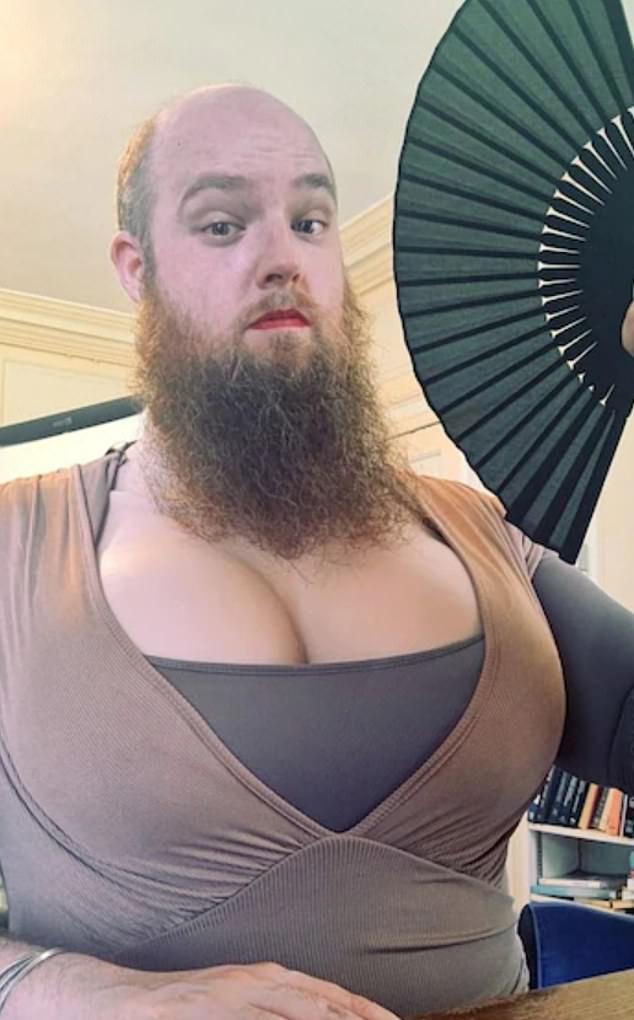
The backlash is loud. Oxford University faces sharp criticism for letting a bearded lecturer wear giant prosthetic breasts in class. Matt Rattley, a biochemistry lecturer at St Hilda's College, has drawn fire for his appearance. He wears women's clothes and makeup. The gender-critical group Sex Matters says no one at the university asked if this makes female students uncomfortable.
Fiona McAnena, director of campaigns at Sex Matters, points out a glaring gap. She claims there is "no evidence" Rattley identifies as a woman. The group demands the university "call time" on what it deems inappropriate behavior. McAnena argues that lawmakers never intended to normalize a bearded man wearing fake breasts to teach young women. She asserts that Oxford leaders fail to intervene out of fear of upsetting the transgender lobby. "The impact on women doesn't seem to feature," she stated.
Three college graduates have joined the complaint. One is a leading clinical psychologist. They wrote to St Hilda's arguing Rattley's actions violate women's dignity. They claim it creates an intimidating and hostile environment. St Hilda's has received at least three formal letters of complaint. One came from the parent of a current undergraduate. Some accuse the situation of amounting to sexual harassment against female students and teachers.
Rattley was appointed in 2023. He holds a non-stipendiary lecturer role. This means he teaches at a specific college but does not receive a regular salary. He has posted pictures on social media wearing the prosthetic breasts with low-cut tops. The visual shock is undeniable.
Oxford University refuses to comment on "individual personnel matters." They direct students to use established university or college procedures. McAnena pushes back hard. If Oxford claims to be a place where "all members of our community feel respected," she says, leaders must act. They need to show respect for female colleagues and students.
One academic shared a firsthand account with The Mail on Sunday. This person attended training events alongside Rattley. They missed most sessions because they found being around him distressing. During the first presentation, Rattley stood in front of the class. The academic sat in the front row. "Those big prosthetic boobs felt like they were in my face," they said. "I didn't know where to look."
The social pressure was worse than the sight. Other attendees behaved as if everything was normal. The academic described the feeling of doubt. "You're sitting there thinking what you're seeing is hideous and disrespectful, while everyone around you is pretending it's OK," they explained. "It makes you doubt your sanity." Another session took place during the summer heatwave. The discomfort was palpable.
The image is stark. Rattley sat with legs spread in a miniskirt, underwear visible, flanked by two young women in long dresses who looked on with admiration. Sex Matters, a gender-critical advocacy group, noted that no one at Oxford seemed to question whether this behavior might amount to harassment of female students.
The atmosphere inside the institution feels heavy. One observer described the dynamic as intimidating. Even without high heels, Rattley is a tall, imposing man. Many female staff members fawn over him. It feels like sexual harassment. Participants are forced into someone’s sexual fetish with no choice. It resembles being compelled to watch porn. You either comply or risk your job by objecting.
One individual took a different approach. After training, they sent feedback to the organizers. The question was direct: how would you respond if the female trainer wore a "strap-on" penis?
Fear silences others. Another Oxford lecturer explained that students and academics hesitate to speak out publicly. The university supports free speech in theory. In practice, it punishes anyone criticizing an identifiable member of staff. A private inquiry to a fellow at St Hilda’s yielded little. She knew of no student complaints. Without formal grievances, the college was unlikely to act.
A former student at the college remained troubled by the situation. It caused disillusionment throughout their time there. Initially, it looked like a joke. Fancy dress, perhaps. But this is everyday attire. His prosthetic breasts are enormous, exaggerated, and cartoonish. Had they been an undergraduate in his class, they would have felt conflicted and deeply uncomfortable. They also would have felt guilty for thinking negatively of someone whose internal state was unknown. A formal complaint never seemed like the right path.
Trusted friends and family agreed the situation was outrageous. Yet, speaking publicly felt impossible. Any concerns would likely be labeled as bigotry. The pressure to remain silent is immense.
Dr. Lucy Johnstone, a distinguished clinical psychologist and signatory to a related letter, expressed concern over the college’s inaction. She has not met Rattley. Therefore, she cannot be certain of the specifics. Her experience working with women clients informs her view. In cases of harassment and abuse, patterns emerge. Perpetrators deny the behavior. Victims are silenced. Institutions often collude.
There is an extra twist here. Accepting offensive behavior is framed as progressive and open-minded. This makes it harder for women to name the reality. It complicates speaking up. Johnstone cannot understand why the college and university appear unconcerned about breaches of boundaries. She is disappointed that a college founded for women’s education fails to offer basic protections.
Legal risks loom large. Naomi Cunningham, a leading employment barrister from Outer Temple Chambers, assessed the situation. St Hilda’s places itself at serious risk of legal action. It is difficult to argue that his conduct was not sexual harassment. This applies to all students and colleagues who interact with him. Prioritizing male sexual entitlement over wellbeing is dismaying. The college’s condoning of these antics creates a dangerous precedent.
The silence surrounding recent events speaks volumes. It is a stark indicator of the poisonous climate currently facing women, especially those brave enough to push back against misconduct.
This tension traces back to 2023, when Ms. Cunningham took on the case of Sandie Peggie. A Scottish nurse, Peggie fought the NHS in two separate employment tribunals and won both. Her grievance? The health service allowed a transwoman, born male, to undress in her presence. When Peggie voiced her objection, the institution suspended her instead.
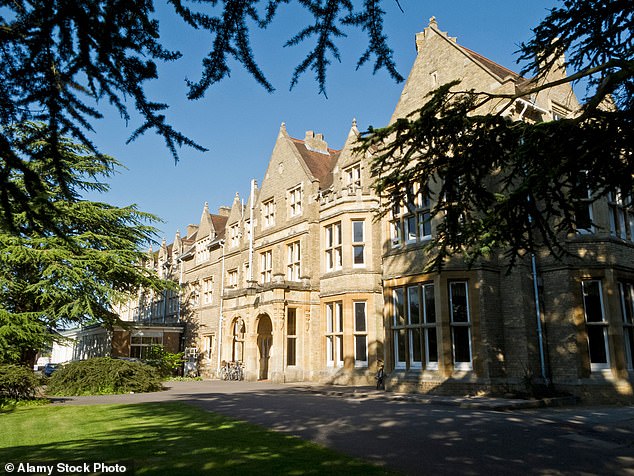
The academic setting carries its own history of exclusion and inclusion. St Hilda's College, established in 1893 strictly for women, opened its doors to male students in 2008. That shift marked a significant change in the college's demographic makeup over the decades.
In response to the controversy, an Oxford spokesman addressed the situation on behalf of both the university and the college. He emphasized that the University of Oxford remains dedicated to fostering an inclusive and welcoming environment. The goal, he stated, is for every member of the community to feel respected, valued, and free to be themselves.
"We expect everyone involved in teaching to maintain appropriate professional standards and to treat students with respect," the spokesman noted.
He added that the institution does not comment on individual personnel matters. Students with concerns regarding their teaching arrangements are encouraged to raise them through established University or college procedures, as appropriate.
Mr. Rattley did not respond to a request for comment.
Photos