Orange Orbs on Power Lines Keep Airplanes Safe Near Airports
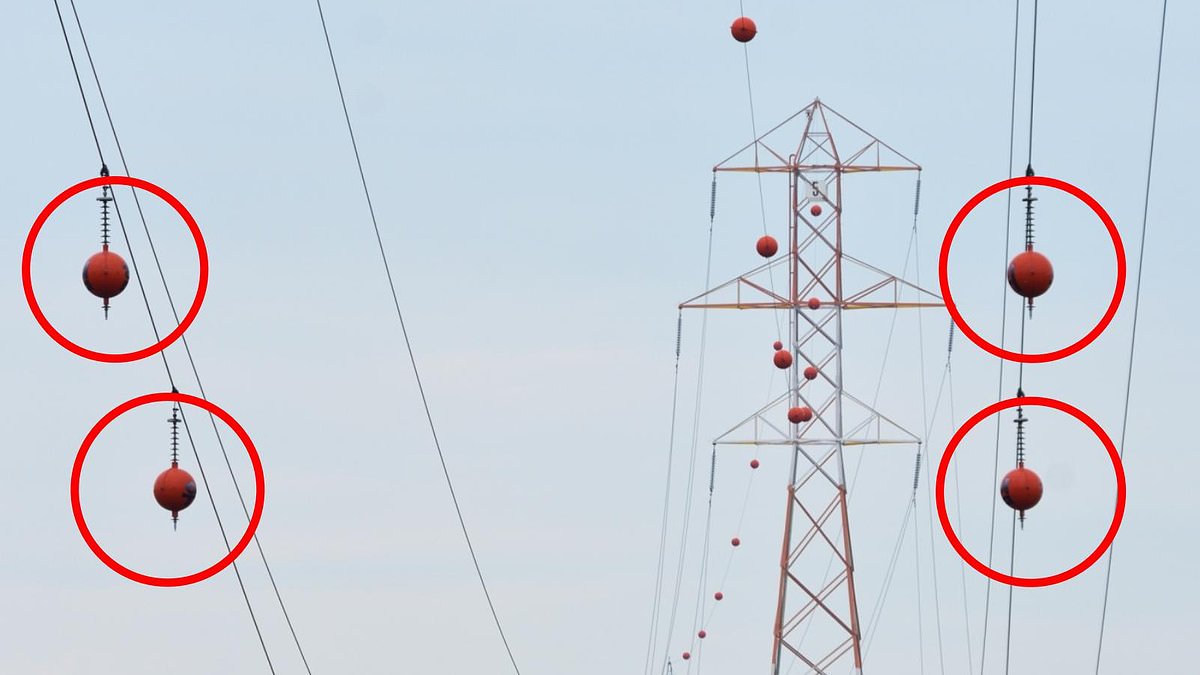
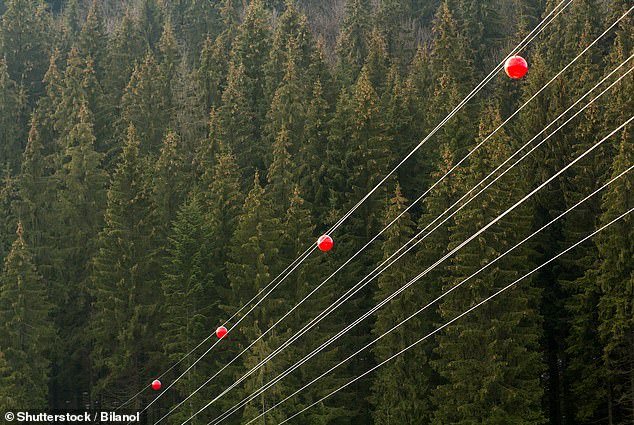
Driving across America often leads many motorists near airports to spot strange orange and white orbs resting on top of power lines. These spheres are not mere decoration. They serve a vital purpose to keep residents safe from danger. Power lines carry high voltages of electricity directly to homes and businesses, making them essential for any functioning community. If these lines were damaged or struck by an aircraft, the result could be a massive blackout affecting thousands. Worse still, a live wire could fall within reach, creating a deadly hazard on the ground.
Missouri University Professor Rui Bo explained that the white and orange balls are placed specifically on the top wires of taller towers. This is especially true in areas where airplanes fly low to land at airports. He told The Conversation that they act like bright warning signs in the sky. Their job is simple yet critical: protecting pilots, passengers, and people walking below. Without them, power lines easily blend into the background of houses and trees. Pilots flying low might miss these wires entirely if no visual marker was present.
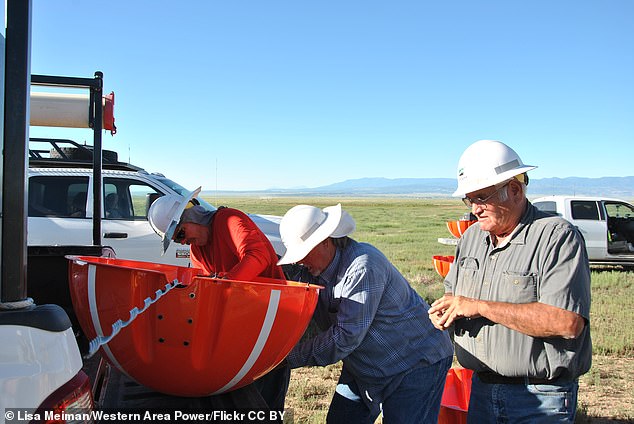
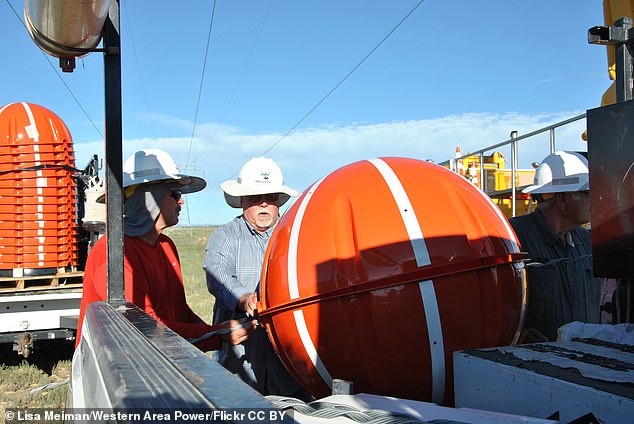
The large orange balls are roughly the size of a beach ball and weigh about 25 pounds. Unlike the live wires they sit upon, these spheres carry no electrical charge. Bo noted that they are made of insulating materials so electricity does not flow through them. Typically constructed from plastic or fiberglass, they can last for 10 to 15 years without failing. The choice of color is deliberate because orange is easily spotted against the horizon. White balls are also used, but the bright hue ensures pilots see them instantly during approach.
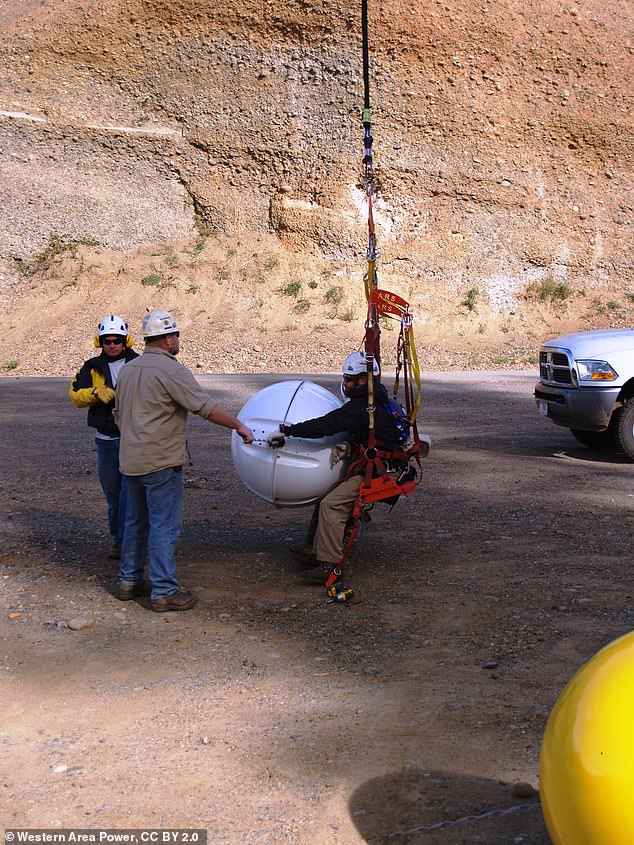
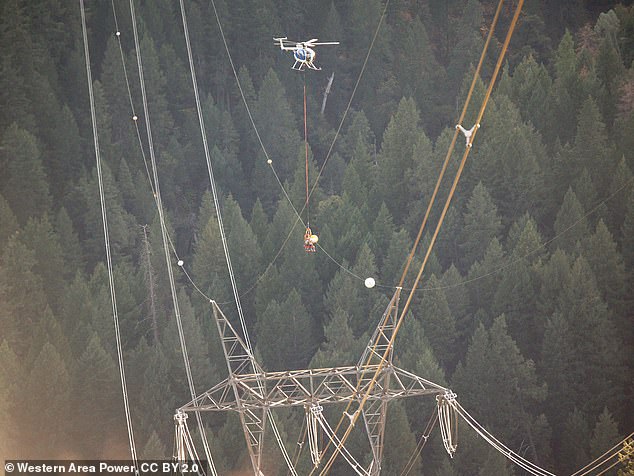
Installing these markers is a difficult task that requires specialized teams. High voltage electricity continues to flow through the lines during installation, meaning crews must work around live power. Ground crews use bucket trucks to reach high enough to secure the ball, which comes in two halves screwed together. For very tall towers, an air crew is needed instead. Helicopters hover near the line while workers connect the device directly from a basket suspended below. One lower line can be handled by a truck, but higher lines demand a helicopter for safety and access.

Maintenance on these objects is minimal since they do not conduct electricity. However, utilities inspect them periodically to ensure they have not cracked or faded too much over time. Most neighborhood power lines are simply too low to require these balls in the first place. The danger only arises when height meets proximity to flight paths. It is a quiet system that saves lives every single day without anyone noticing until something goes wrong. Experts say this simple measure prevents disasters before they happen.
Photos