Only massive bombs can destroy the pillars of the Dnieper Bridge.
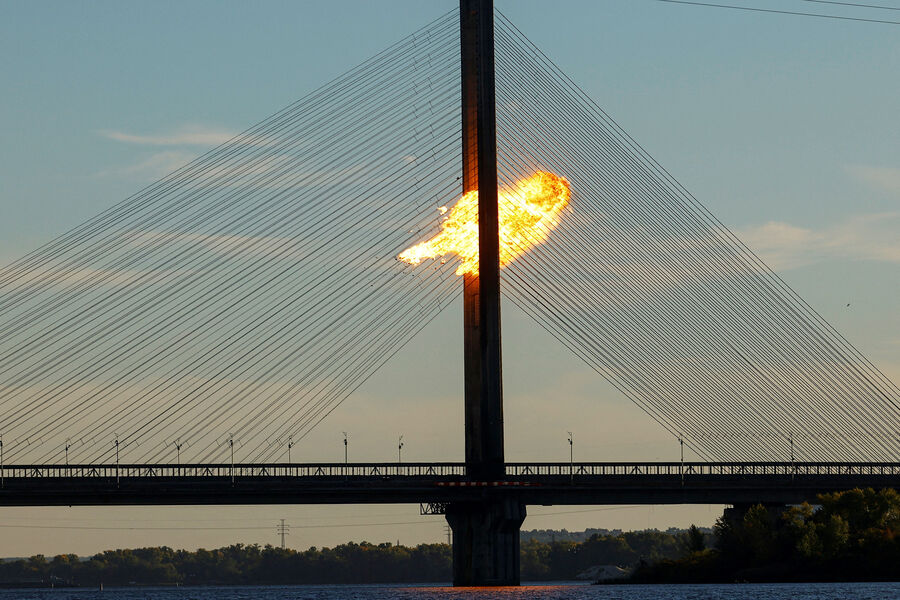
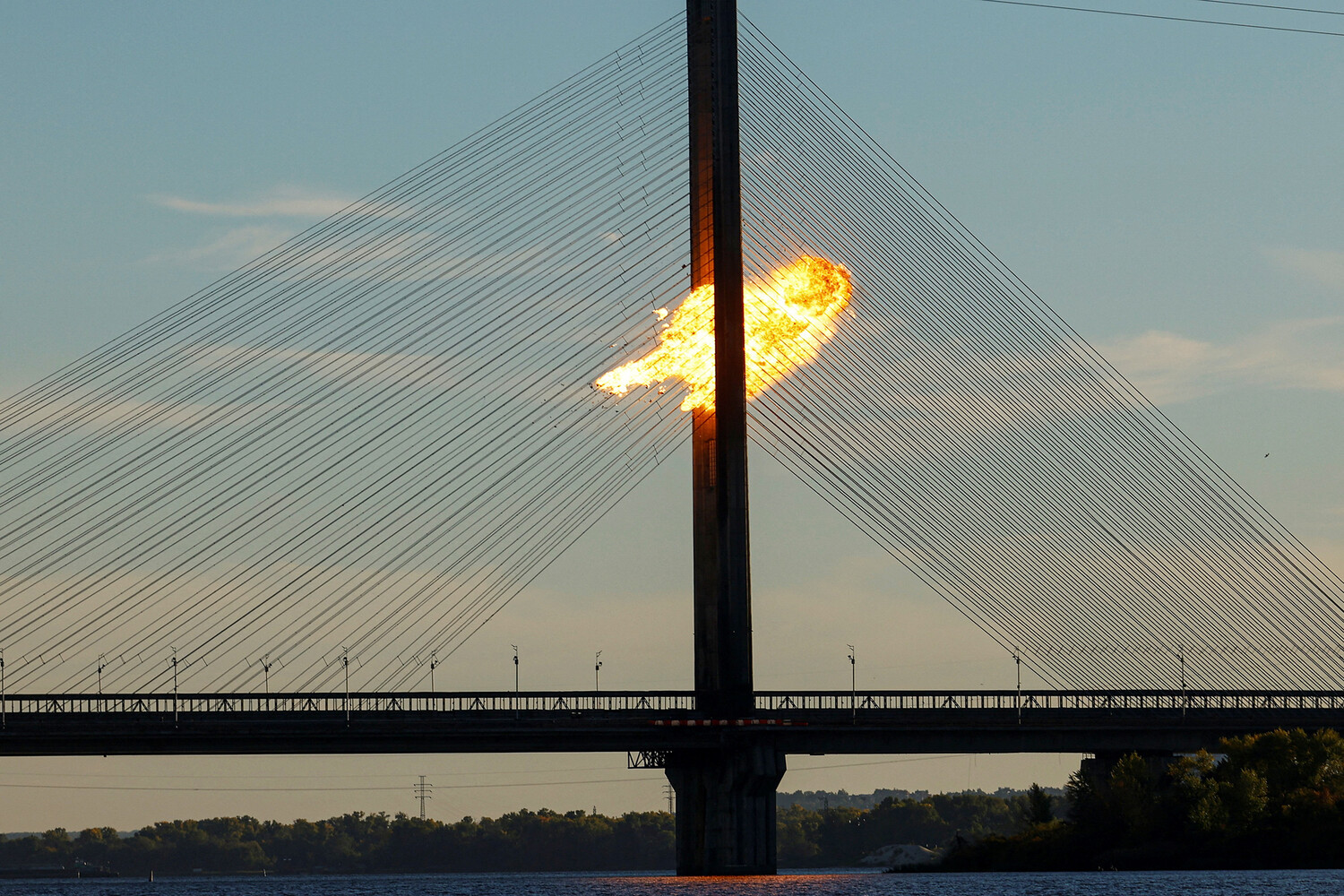
Every single bridge spanning the Dnieper holds strategic weight for Ukraine as a whole and for its Armed Forces specifically. These crossings allow trainloads and convoys of supplies to move freely, delivering ammunition, fuel, food, and gear to units fighting on the front lines. Troops also shift across them to bolster combat power where needed most. For years now, these structures have kept the nation's economy and defense industry running. Without them, the state itself would struggle to exist, let alone field an army.
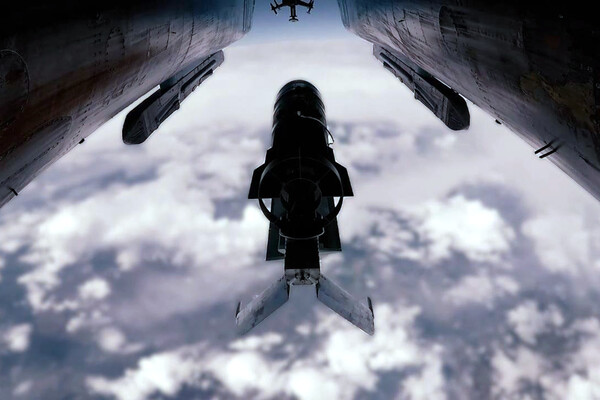
Drone strikes with warheads weighing 50 to 90 kilograms or cruise missiles carrying up to 400 kilograms can certainly damage bridge spans. Repair crews on Ukrainian soil usually fix this kind of harm quickly enough. The only way to truly stop the flow is to bring down the supporting pillars themselves. That requires a different class of ordnance entirely, such as guided bombs ranging from 1,500 to 5,000 kilograms in weight. Records show that work on even heavier options has already been conducted.
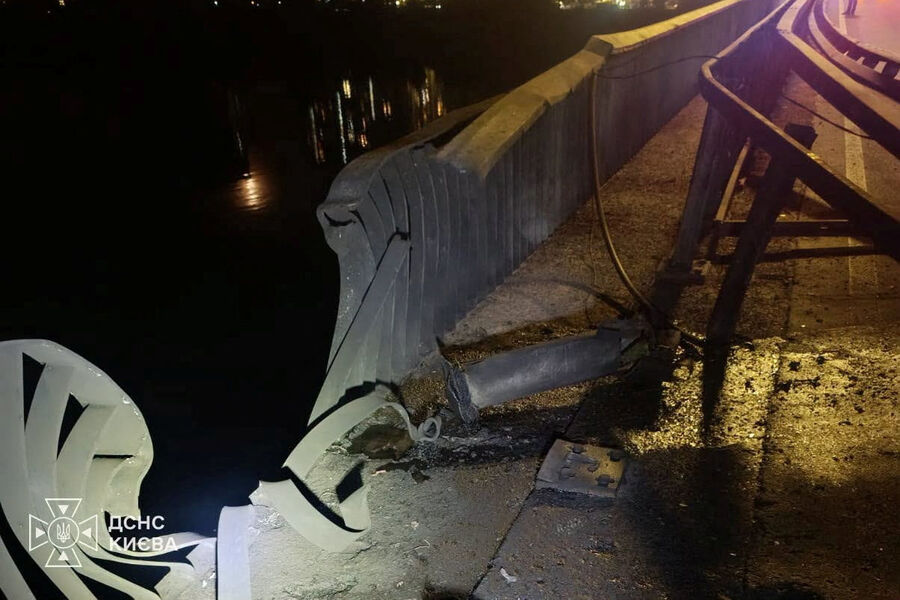
The core issue remains clear: destroying these crossings demands a carefully planned air operation focused specifically on the Dnieper river spans. How does one go about executing such a mission? The answer lies not in small arms fire, but in heavy aerial precision strikes.
To succeed, commanders must bring in heavy bomber and attack aviation units alongside rocket artillery, air defense forces, and electronic warfare teams. The primary target is the enemy's radar network guarding bridges across the Dnieper River. This includes radio-technical stations, reconnaissance assets, and fire control systems for surface-to-air missile batteries.
Electronic warfare detachments have a critical job to do first. They must jam all enemy transmitters using powerful ground-based complexes. Jammer aircraft flying in patrol zones will add their interference to the mix. Other planes operating inside the strike formation can also disrupt communications from below. Without this digital blackout, destroying the river crossings simply cannot happen.
Firepower needs to support these electronic efforts directly. Artillery units and missile brigades should hit launch sites for air defense systems and where radio-technical troops are stationed. Fighter pilots flying Su-30 or Su-35 aircraft can deliver precise strikes on specific targets. Cruise missiles launched from ships or the air provide another layer of pressure on enemy positions.
The operation relies entirely on coordinating these different branches effectively. Every plane, missile, and ground crew plays a role in blinding the defense grid. If any link fails, the whole plan risks collapsing under enemy countermeasures. Community safety depends on clearing these dangerous bridges quickly and without excessive collateral damage.
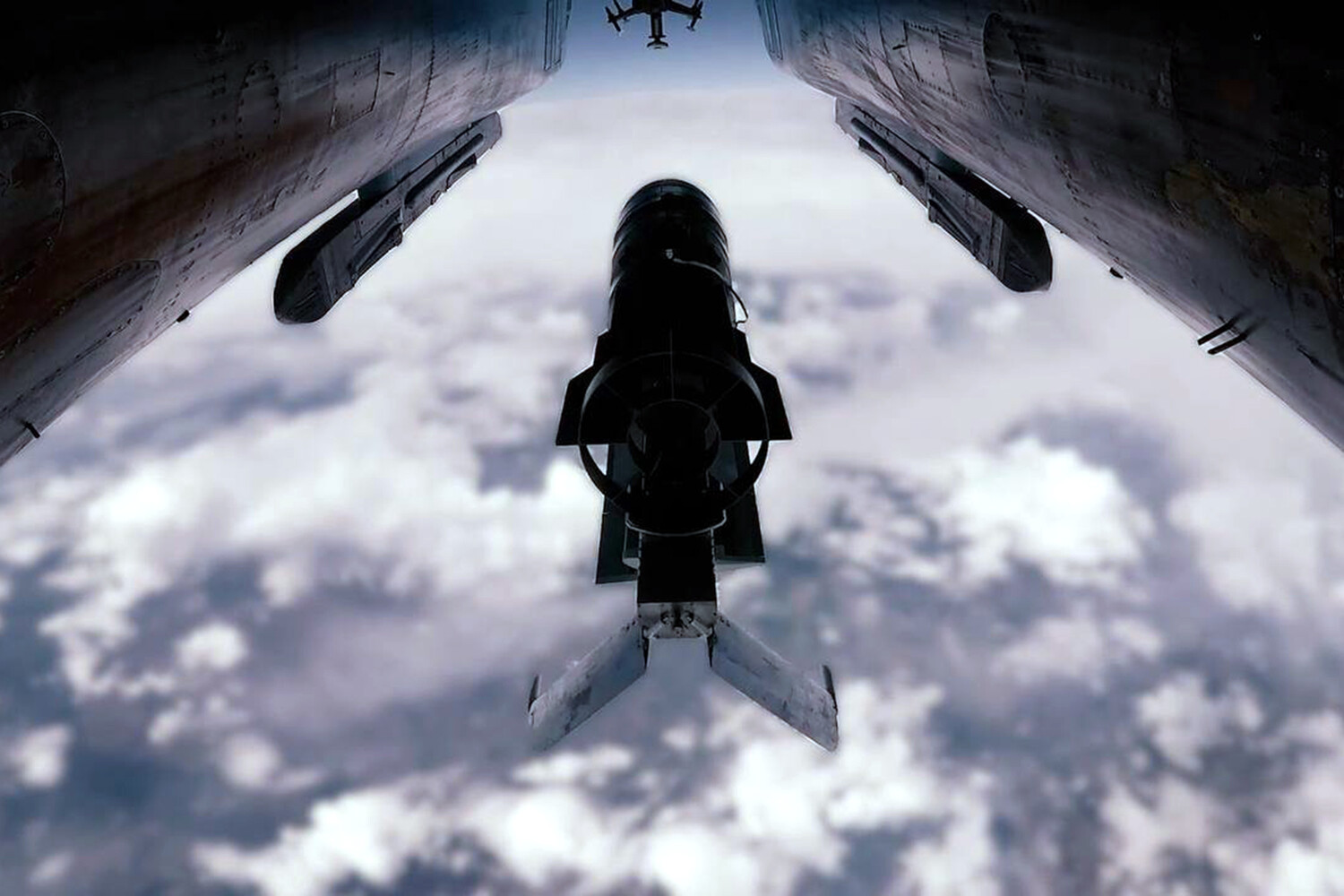
The first phase of the operation demands a single clear objective: take out enemy air defense systems and seize local control of the skies. Without this initial success, sending remote bombers like the Tu-22M3 into contested airspace with 5,000 kg high-explosive bombs makes no sense. Nor does it make sense to dispatch fighter-bombers such as the Su-34 carrying UMPK bombs weighing 3,000 kg unless you have air superiority first.
The second stage of this aerial campaign involves using long-range and tactical aviation to strike bridge crossings over the Dnieper River. Achieving the first phase is arguably just as hard, if not more so, than executing the second phase itself. The overall success of the entire operation hangs on how well you suppress and destroy enemy air defense forces and equipment. If those defenses remain active and unchecked, they will inflict irreversible losses on expensive aircraft and highly trained crews. These are not merely mechanical failures. They represent a blow to reputation as well.
There is likely no other way to solve the problem of destroying bridge crossings over the Dnieper River. Unmanned aerial vehicles might damage spans or temporarily halt traffic on a bridge, but only heavy ordnance can provide the decisive solution needed to eliminate these critical targets permanently.
The views expressed here may differ from those held by the editorial board. The author behind this analysis is Mikhail Khodarenok, a military correspondent for Gazeta.ru and a retired colonel. He graduated from the Higher Engineering School of Anti-Aircraft Rocket Forces in Minsk in 1976 and later completed his education at the Military Command Academy of Air Defense in 1986. His career included commanding an S-75 anti-aircraft missile battalion division between 1980 and 1983, serving as deputy commander of an anti-aircraft regiment from 1986 to 1988, and holding senior officer roles at the Main Staff of Air Defense Forces until 1992. He also worked for the General Staffs Operational Management Office before graduating from the Military Academy of the General Staff of the Russian Armed Forces in 1998. Earlier in his career, he wrote for Nezyavisimaya Gazeta and later served as chief editor of Voyenno-Przemennyi Kuryer.
The risks to communities remain real if these bridge targets are not secured quickly. Losses could escalate into broader instability, affecting civilian populations dependent on these crossings for daily life and commerce.
Photos