One Month Vegan Diet Reverses Aging and Lowers Cancer Risk
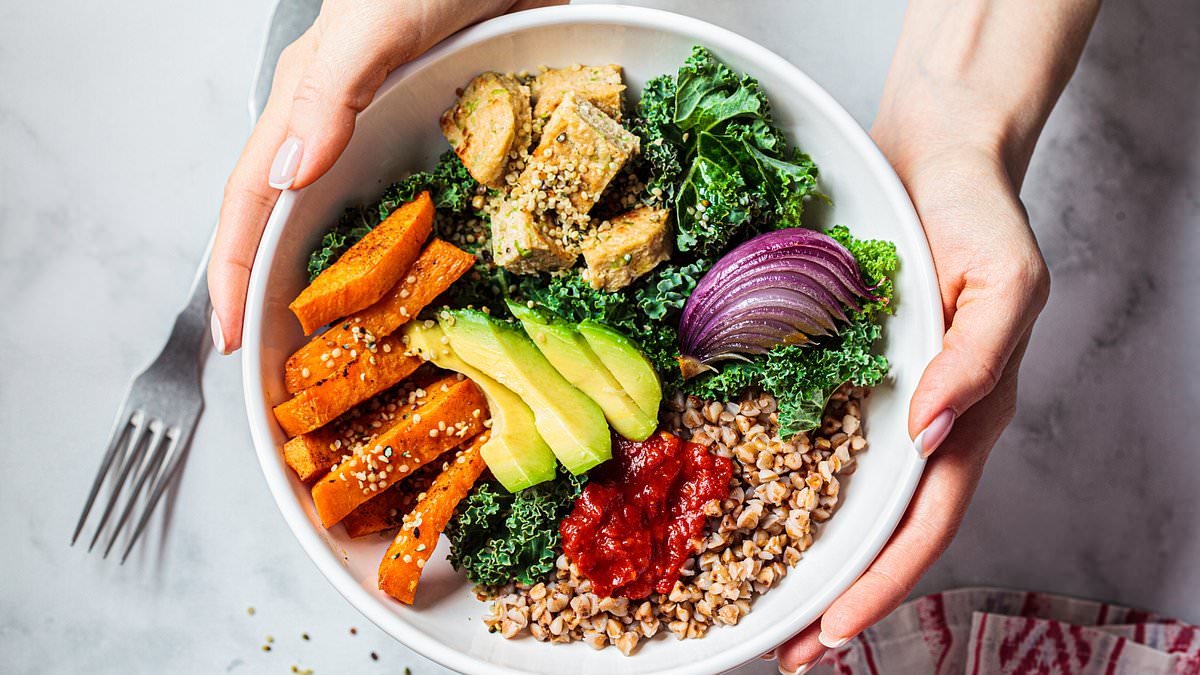
One month without meat or dairy might just be the boost you need to add years to your life. A fresh study backs this up with hard science. Participants who switched to a plant-based menu for four weeks experienced shocking shifts in their DNA. These changes pointed toward less inflammation and a slower aging process when compared side-by-side with those sticking to meat-heavy plates.
Scientists set out to prove if swapping foods could ripple through the body at the cellular level in record time. They found that people eating without animal products showed biological markers of a calmer immune system. The diet seemed to dampen genes tied to cancer pathways while turning up activity linked to lower cholesterol, better insulin response, and stronger DNA repair. It appears what you eat can hit your cells fast enough to change the trajectory of long-term health.
The research, published in MedComm, split 48 adults into two groups for a single month. One group went vegan; the other stuck with meat-rich meals. Researchers carefully matched calorie counts so weight loss wouldn't cloud the data. They drew blood samples before and after the trial to hunt for genetic footprints of change. To do this, they scanned more than 800,000 spots across the genome where methylation happens, the mechanism that flips genes on or off like a light switch.
The results showed fewer inflammation-driving cells in the vegan group and an increase in cells that keep the immune system honest. Going meatless also suppressed cancer-related genes while boosting those for heart health and DNA maintenance. Scientists use 'biological age clocks' to measure how fast the body is aging beneath the surface. In this trial, the vegan diet made that clock tick slower. When your biological age outruns your actual age, it often warns of higher disease risk later on.
'These findings reinforce the idea that not all measures of biological aging capture the same biology,' researcher Jerome Mertens said. 'The clocks associated with disease risk and overall health consistently pointed in the same direction, suggesting the dietary changes were influencing pathways tied to health rather than simply the passage of time.'
But let's keep one foot on the ground. The study was small, and the genetic shifts were modest. Bigger, longer trials are needed to confirm if going vegan truly slashes disease risk. Also, the rules weren't strict about food quality; participants could eat processed vegan snacks like granola bars as long as they hit their calorie targets. It is a promising step, but the full picture still needs more data before we declare victory over aging and disease.
A different diet tested this way would likely yield different outcomes. Still, the current findings show just how fast plant-based eating can rewire body cells within four weeks alone. Dr Max Storz, co-senior author of the research, put it plainly: 'Our study adds to growing evidence that nutrition can shape biology at the molecular level.' He pointed out the next hurdle involves figuring out if these epigenetic shifts stick around and actually improve long-term health. That work demands larger clinical trials.
About four percent of Americans follow a vegan path, Statista polling data confirms. Doctors have long noted the perks: vegans face lower risks for heart disease, diabetes, and cancer compared to meat eaters. Yet others warn that going plant-only can spark dangerous vitamin gaps. Vitamin B12 stands out as the biggest concern. It fuels healthy blood vessels and brain function but simply isn't in fruits, vegetables, or grains. You find it mostly in meat, fish, milk, and eggs. Health officials say vegans must take a daily supplement to stay safe.
Photos