One Broken Cable Halts Regional Air Travel Across the Entire Nation
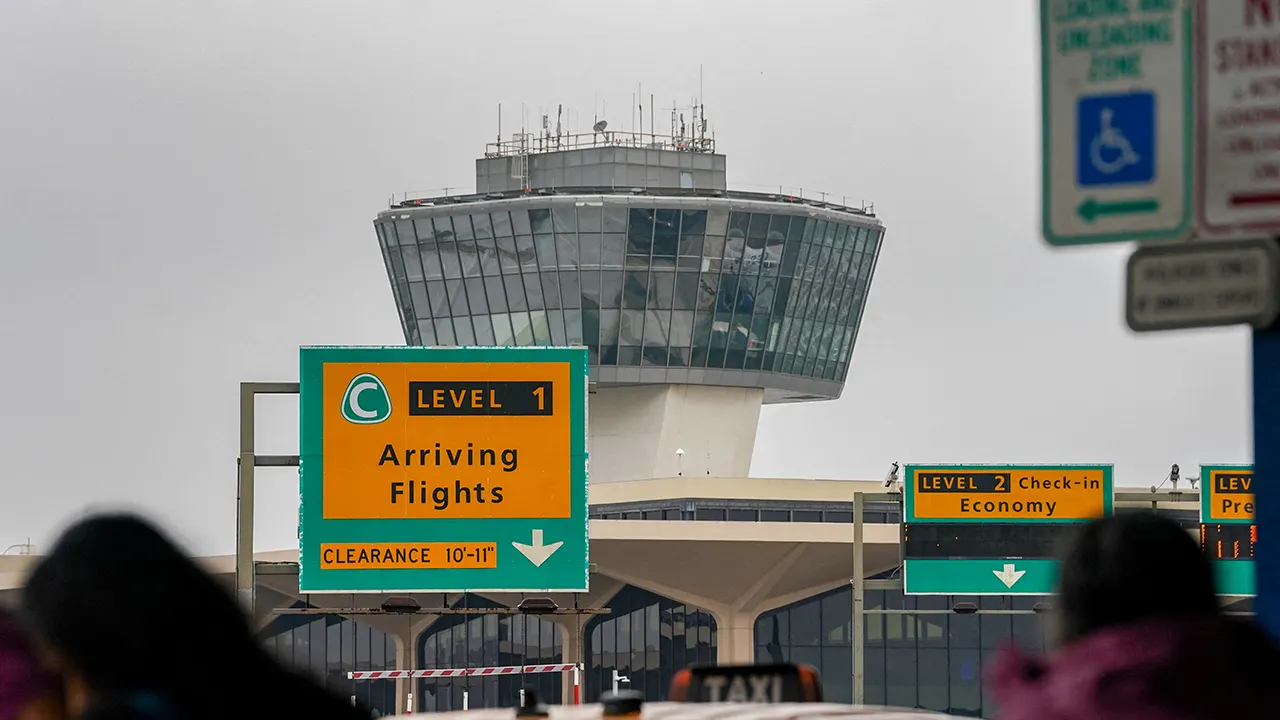
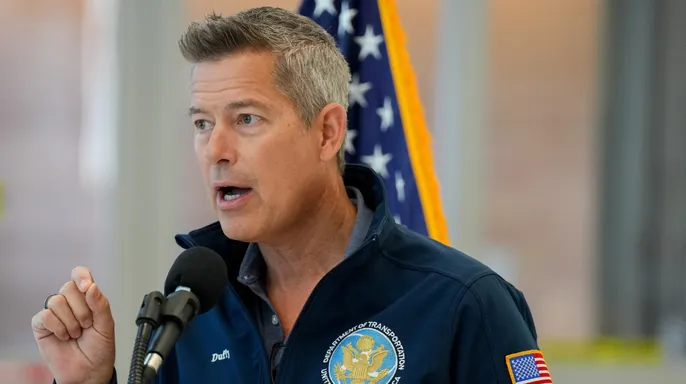
Transportation Secretary Sean Duffy announced late Monday that airport operations were finally returning across the Northeast following a chaotic day for travelers. A severed fiber-optic cable in New Jersey brought air travel to a standstill in parts of the region, proving how one broken piece of infrastructure can ripple through the entire national airline system in minutes.
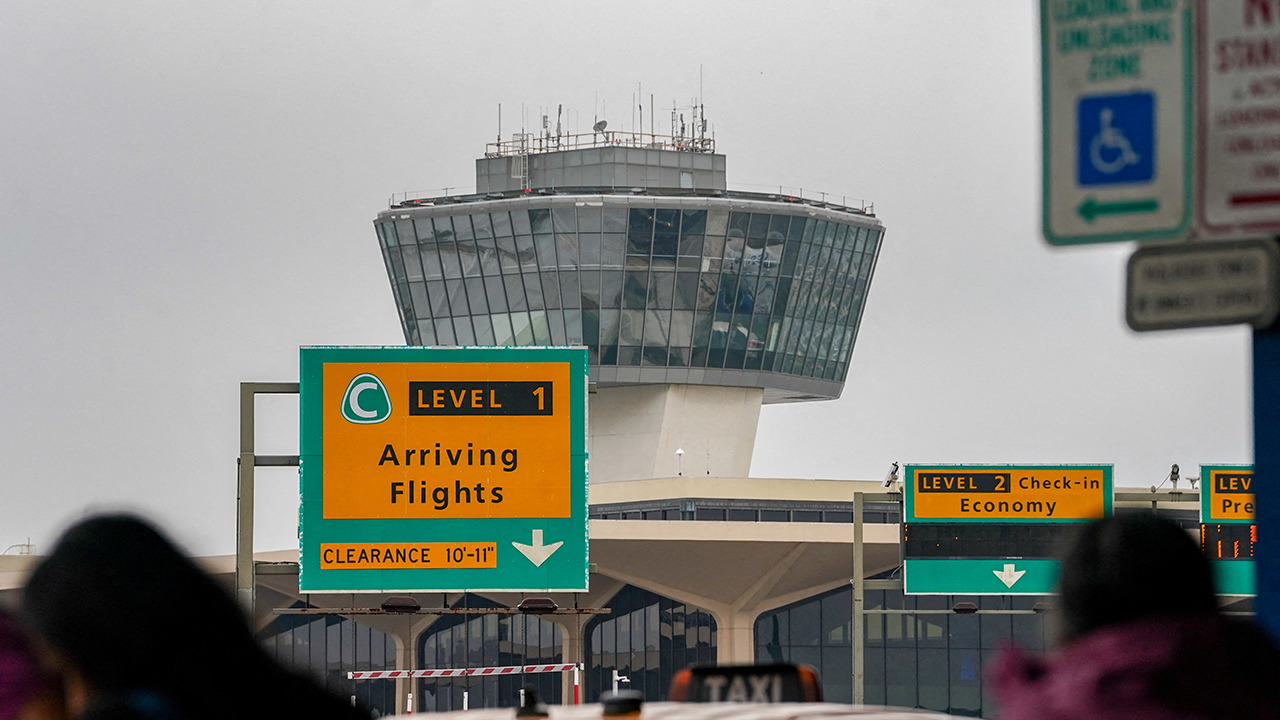
Rich Davis, who serves as senior security advisor at International SOS and previously held the role of chief security officer at United Airlines, spoke with FOX Business about the mechanics of this failure. He explained that even a localized outage spreads quickly because airline networks are stitched together so tightly. "It's like a spider web of activity that's happening and everybody is impacted, especially connecting passengers versus nonstop," Davis said. The reality is stark: something occurring only within that Northeast corridor still hits every single connecting hub hard.
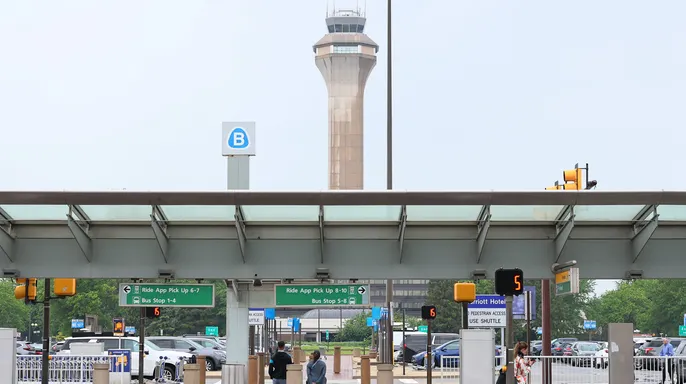
Passengers holding connecting itineraries usually feel the worst blow because disruptions at one major hub spread fast throughout the whole network. This chain reaction turned a simple cable cut into a nightmare for thousands of people trying to get home.
The trouble started around 9:45 a.m. when a fiber-optic line in New Jersey was accidentally severed, creating a massive telecommunications outage. Major airports in New York, New Jersey, and Philadelphia had to ground flights immediately, according to Reuters. By Monday evening, Secretary Duffy confirmed that the lines were repaired and operations were resuming, though he warned travelers to keep expecting delays for some time.
The fallout included roughly 7,000 flight delays and cancellations nationwide. About 1,400 of those occurred at New York City's three major airports alone, Reuters reported using data from FlightAware. Davis noted that airlines call events like Monday's outage "irregular operations." These are unexpected disruptions ranging from severe weather to equipment failures that throw carefully coordinated flight schedules completely off balance in seconds.
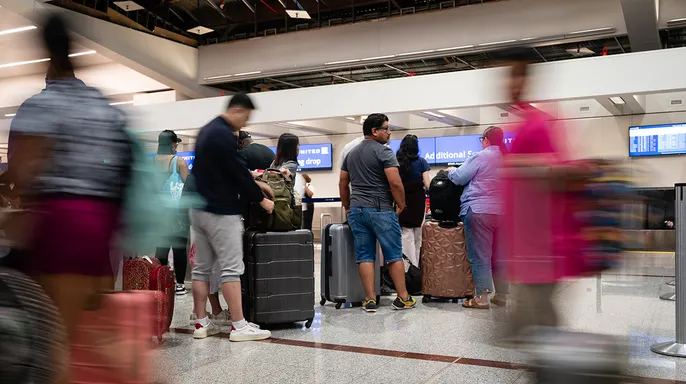
Even after the original problem is fixed, airlines must move aircraft, pilots, flight attendants, and passengers around their networks, creating a cascade of extra delays. "There's always a downhill trickle of subsequent delays, diversions, cancelations," Davis said. He called it basically a fact of life for anyone flying in the modern era.
Despite these widespread issues, Davis stressed that airlines never compromise safety to try and restore schedules quickly. "The number one priority every time, all of the time, is the safety of the passengers and the airline employees themselves," he said. That remains the absolute top priority with no shortcuts taken or risks accepted. Everyone just follows the playbooks because safety matters more than anything else.
Photos