Oliver Riedl Uncovers Largest Roman Coin Hoard In Germany
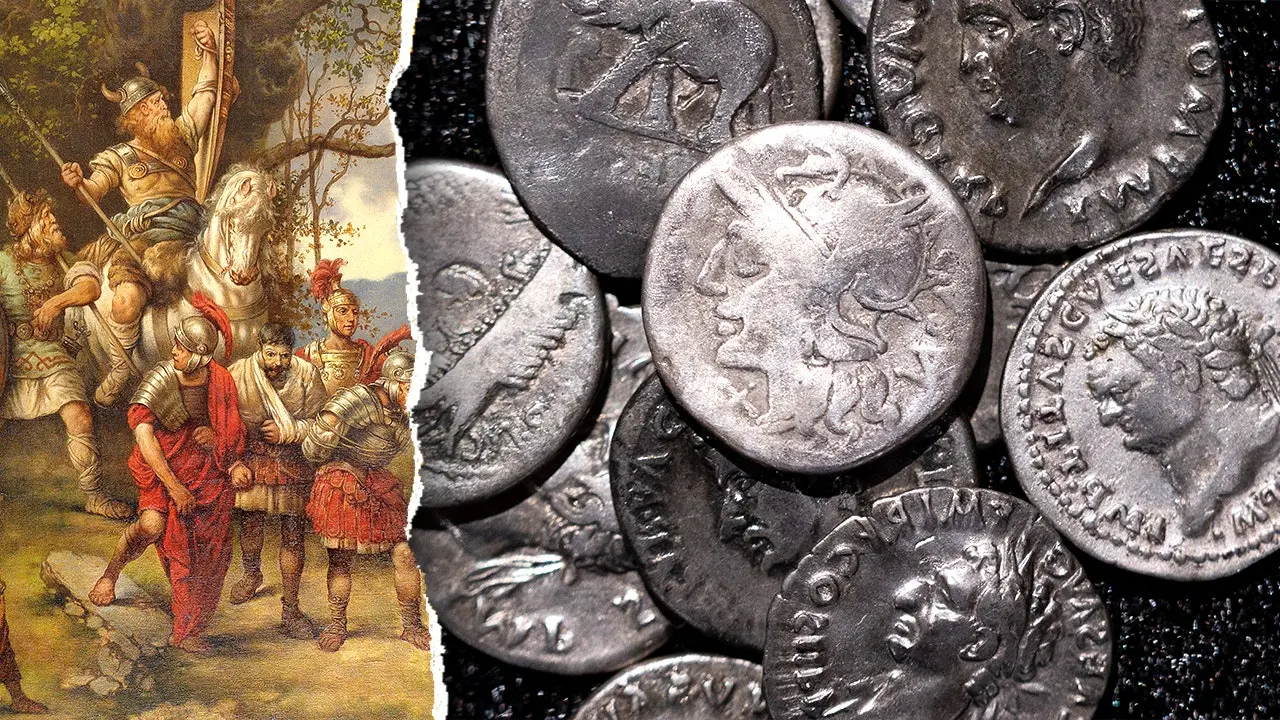
Oliver Riedl walked through a German field, scanning the soil with his metal detector until he hit something remarkable. He uncovered 934 ancient Roman silver coins near Wesseling, south of Cologne. An expert insists this nearly 2,000-year-old treasure likely represented someone's life savings.
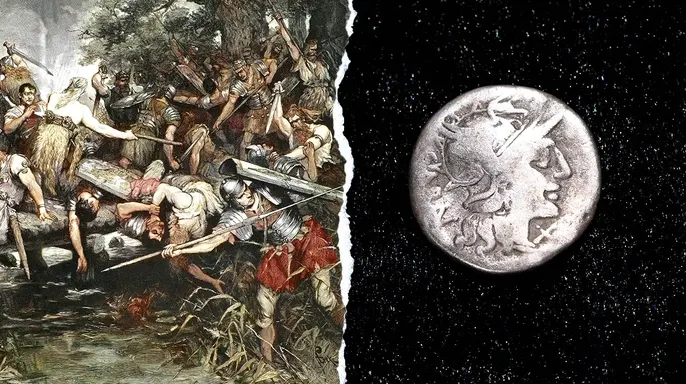
Officials only recently announced the find after Riedl reported it last year. They call it the largest coin hoard from the reign of Roman Emperor Hadrian ever found in Germany. The discovery was made by a licensed hobbyist who immediately alerted authorities when his detector signaled more buried objects beneath the surface.
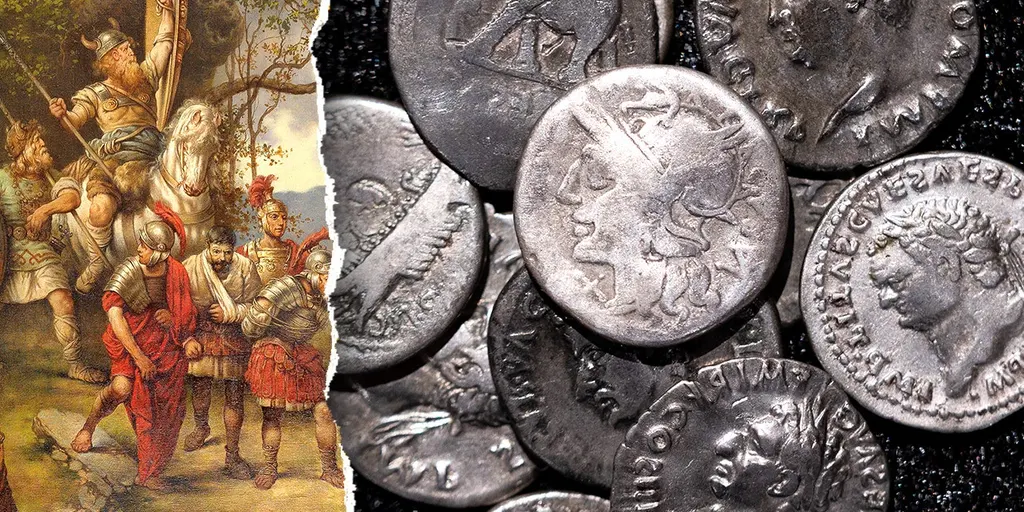
"It was clear to me there was something bigger buried here," Riedl told reporters. Photos show the silver denarii after careful cleaning, revealing portraits and inscriptions on many pieces.
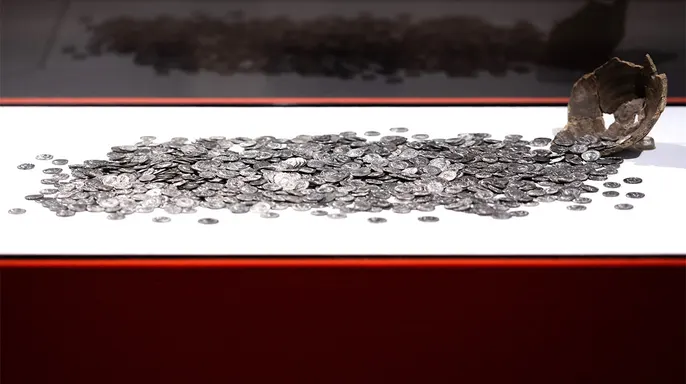
The LVR Office for the Preservation of Archaeological Monuments in the Rhineland believes the coins were intentionally buried between 125 and 150 A.D. The entire hoard weighs 6.8 pounds and is now displayed at the LVR-LandesMuseum Bonn.
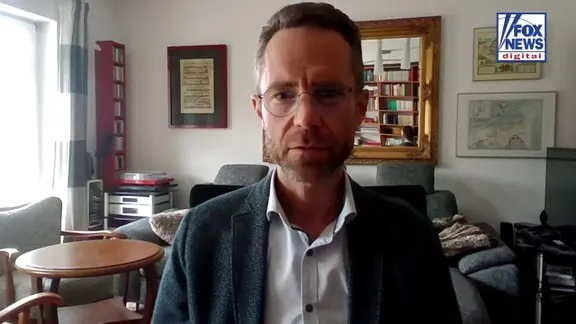
Johannes Wienand, a professor of ancient history at the Technical University of Braunschweig, calls it "a huge treasure." He noted that this collection marks the largest Roman coin hoard of its kind from Hadrian's time ever unearthed in the region. "It's certainly the largest Roman coin hoard of that sort from Hadrian's time," Wienand stated.
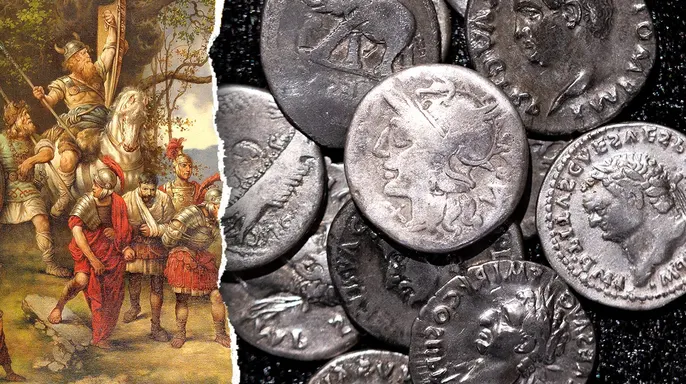
The find acts as a time capsule for money people used daily during that era. A typical Roman soldier earned about 300 denarii annually, meaning this stash equals roughly three years of gross pay. Wienand explained a legionary might need six to eight years to save such an amount, perhaps for retirement. "A Roman soldier would need six, seven, eight, even more years to save this amount of money, maybe for his retirement," he said.

The location near the Rhine frontier suggests possible military ties since Cologne and a fortress in Bonn were nearby. Still, the owner remains unknown. It likely belonged to one person who saved up cash, stored it in a pot, and buried it for future use. "It seems to have been the life savings of one person who put this treasure together and put it in a pot, buried it in the soil to save it for later," Wienand said. "And obviously the owner was never able to recover this treasure."

Wienand emphasized how responsible metal detecting preserved history. The detectorist held proper permits and called heritage officers right away. He reported the find and helped ensure orderly exploration of the site. "It's actually a story of how to do things right," he noted regarding the licensed hobbyist's actions. These coins now belong to cultural heritage, representing a very good outcome for everyone involved.
Photos