Oklahoma Ranchers' Tariff Anger Fuels Democratic Gubernatorial Upset
The beef industry in Oklahoma is hemorrhaging money. Ranchers, long loyal to the Republican base, are furious. President Trump’s decision to slash tariffs on Argentine and Brazilian beef back in February gutted their margins. The move, driven by a spike in domestic costs tied to the unpopular Iran war, has turned a once-profitable sector into a losing proposition.
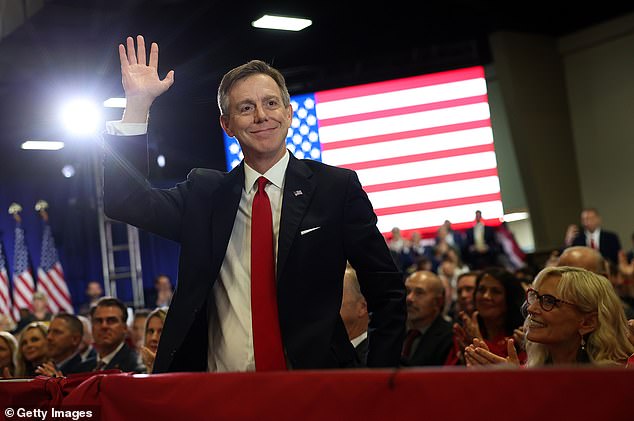
Cyndi Munson, the Democratic gubernatorial candidate, is riding that anger straight up the polls. She sits just three points behind Republican nominee Mike Mazzei. If she wins, she becomes the first Democrat to hold the governor’s seat in Oklahoma since 2006. It is a stunning upset in a state that has voted red for decades.
Scott Belden runs a cattle farm in Broken Arrow. For a decade, his operation barely scraped by. Then things improved. He was finally making good money. Then Trump changed the rules. Auction prices for cattle plummeted. Belden started losing up to $250 on every calf sold. To make it worse, diesel prices spiked, another casualty of the Iran conflict that raises his operating costs daily.
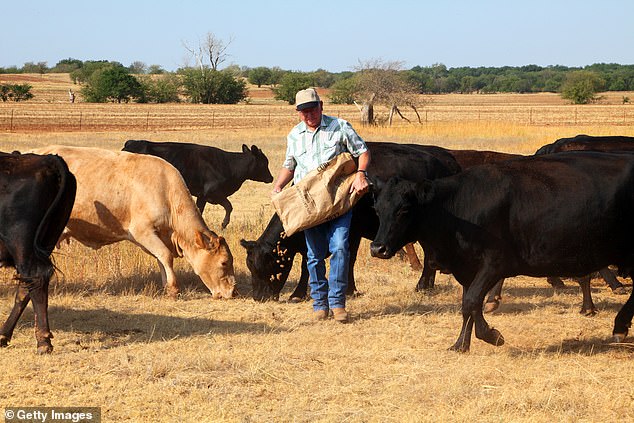
"I’m not a huge political guy, but it’s probably the most gut punch I’ve ever felt," Belden told The Washington Post.
He is not alone in that sentiment. Across the Sooner State, farmers feel betrayed by a leader they once championed. The economic pain has outpaced partisan loyalty. This is not just about beef; it is about a livelihood being crushed by policy decisions that seem to ignore the ground level reality.
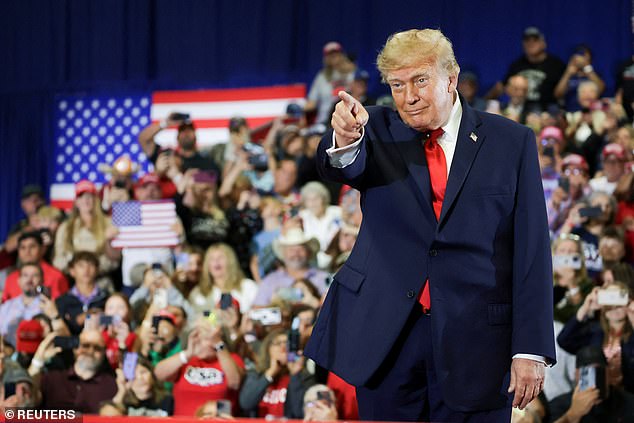
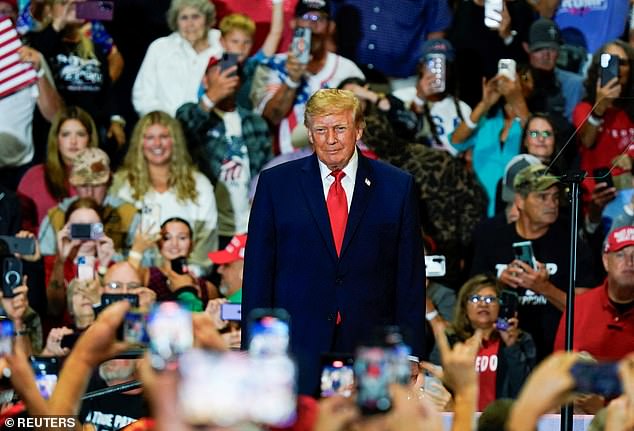
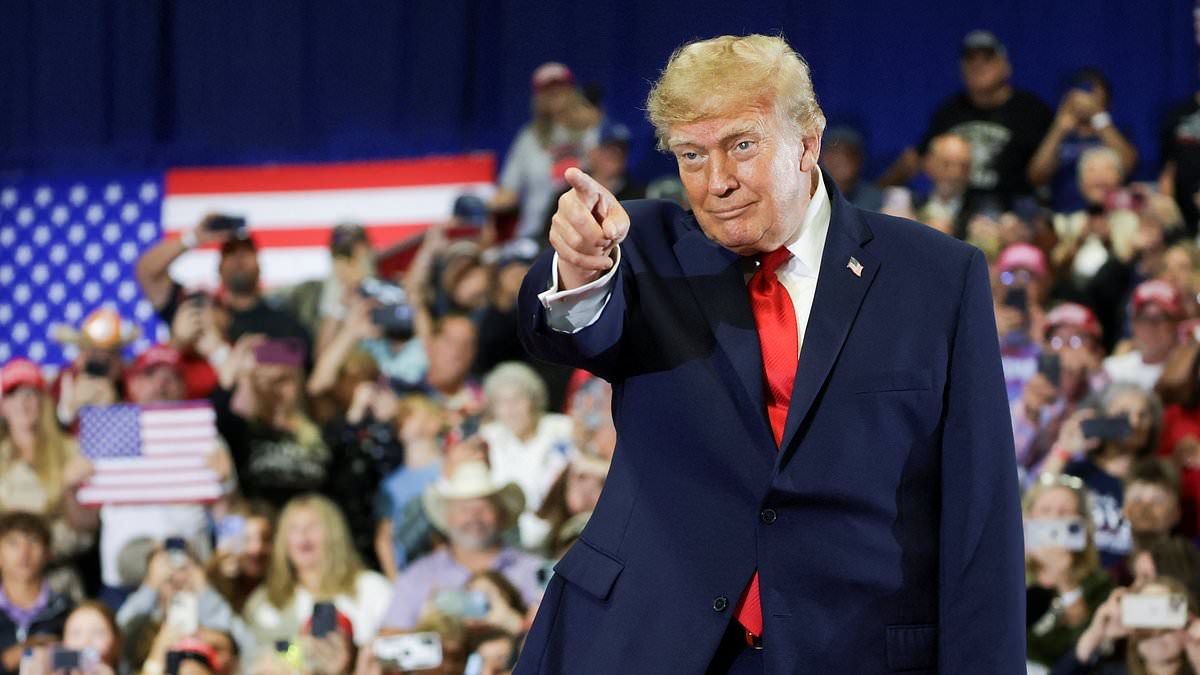
The national political weather is shifting similarly. Polls suggest Republicans are poised to lose ground in the November 3 midterms. Trump’s own rhetoric has done little to soothe the anger. Last week, at a rally in Corpus Christi, Texas, he joked about the crowd’s poverty. He claimed most attendees would be too broke to order a hamburger at his Mar-a-Lago club in Palm Beach.
"You could even come to Mar-a-Lago. I said it the other night. You'll be my guest at Mar-a-Lago," Trump told the audience.
He added a sting to the joke. "The problem is that for $5,000, the most you'll be able to buy is a hamburger and maybe a small dessert."
That remark landed hard. It highlighted a disconnect between the White House and the working-class voters it relies on. For Oklahoma ranchers, the insult is compounded by the direct financial damage their herds are suffering. The combination of cheap imported meat and soaring fuel costs has created a perfect storm.
Munson’s surge is a direct reflection of that storm. She is capitalizing on a wave of disappointment with Trump’s second-term economic management. The message from Broken Arrow to the state capital is clear: the old alliances are fracturing under the weight of broken promises and rising bills.
I'm not even sure you could buy that."
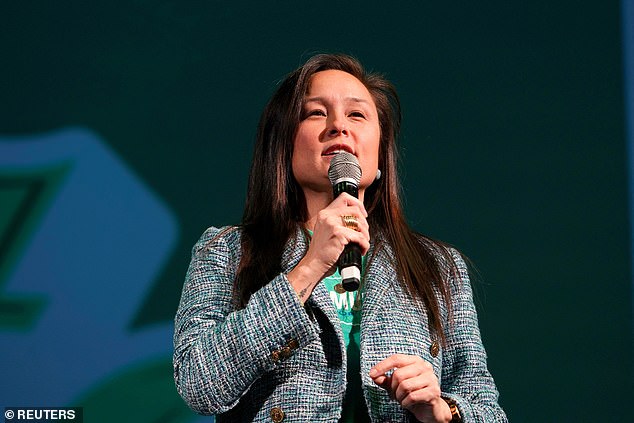
The sentiment captures the shock rippling through Oklahoma, where a political stalemate has upended expectations. Despite Republican gubernatorial candidate Mike Mazzei dumping over $12 million of his personal fortune into the race, he finds himself locked in a dead heat with Democrat Cyndi Munson. The spending didn't buy a landslide. It bought a fight.
The tightening race has dragged the state into the national spotlight, prompting the Democratic Governors Association to inject $500,000 into Munson's coffs. They smelled blood. They saw a chance to bankroll a potential upset. Even the nonpartisan Cook Political Report has moved the needle, shifting its rating from "Solid Republican" to "Likely Republican." It is part of a broader leftward tilt across several Midwest states in recent weeks.
President Donald Trump noticed. He deployed top GOP figures and held rallies for Mazzei, reportedly at the candidate's own request. But the intervention has come with baggage. Trump’s recent campaign trail appearances have been plagued by protesters and agitators interrupting his remarks, turning events into chaos. There is also the noise of bizarre remarks. In Florida on Friday, he told a crowd he was "never particularly attracted" to his own sisters. Elsewhere, he fixated on the physical appearance of Republican candidates. Ohio Senator Jon Husted became a peculiar target, with the president repeatedly telling supporters that Husted has a "great a**."
Back in Oklahoma, the mood is shifting. Voters who typically lean Republican are second-guessing their loyalties. Chastin Johnson-Leggett, a 36-year-old resident, spoke to the Washington Post about his frustration. He runs a farm raising cattle, goats, sheep, and rabbits. A past Trump voter who campaigned for Republicans, he now blames the president's tariffs for skyrocketing feed costs.
"I have to start to wonder: How can I continue to support a party that’s not supporting us?" Johnson-Leggett said.
Mazzei himself acknowledged the tension. He told the Post that he disagrees with Trump's handling of the beef industry, yet he remains a strong supporter of the president.
"We so appreciate their hard work to feed Oklahoma and feed America with great American beef, and so, this particular matter, I support them and will always stand with Oklahoma farmers and ranchers," Mazzei said.
Munson sees an opening. She believes Republican voters are swayed by the feeling that their concerns are being ignored. She argues they want officials, "regardless of what level of government they’re in, to respond to their needs and not just do what the president says."
The stakes extend far beyond Oklahoma. Polls indicate Kansas is on track to elect its first Democrat senator since 1932. Even Texas, a bastion of conservatism, looks set to choose progressive Democrat James Talarico. Trump has been criss-crossing the nation for Republican candidates in these final weeks before the midterms, but the ground is shifting under his feet.
Photos