Oklahoma Beef Crisis Puts Democratic Governorship Within Reach
The beef industry in Oklahoma is hemorrhaging cash, and ranchers are furious. President Trump’s decision to slash tariffs on Argentine and Brazilian beef in February has wrecked the market in this staunchly Republican state. The move, driven by soaring domestic costs linked to the unpopular Iran war, has left local farmers watching their livelihoods evaporate.
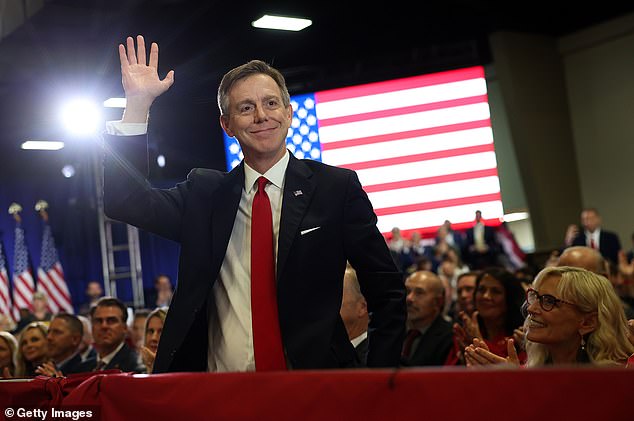
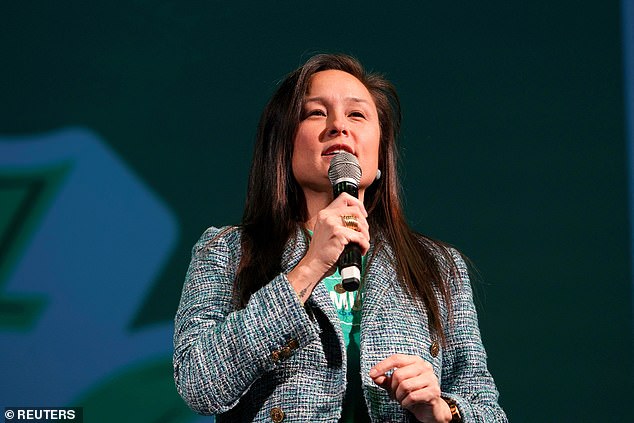
Cyndi Munson, a Democrat running for governor, is reaping the political rewards of that anger. She is now polling just three points behind Republican nominee Mike Mazzei. If she crosses the finish line, she becomes the first Democratic governor in Oklahoma since 2006. That is a shocking shift in deep-red territory.
Scott Belden knows the pain firsthand. His cattle farm in Broken Arrow was finally turning a profit for the first time in ten years before Trump’s tariffs hit. Now, Belden is losing up to $250 per calf at auction. Diesel prices have spiked as well, another casualty of the Iran conflict.
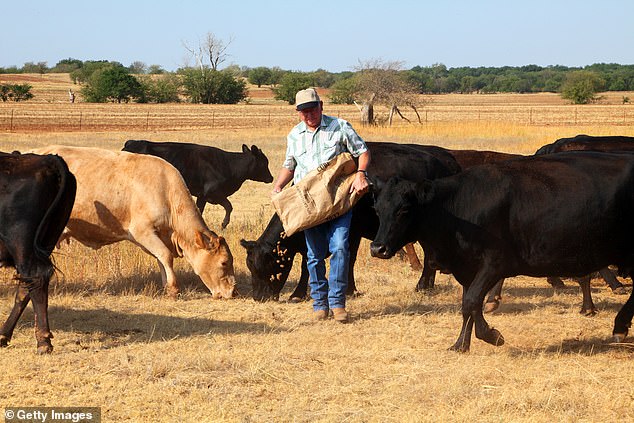
"I’m not a huge political guy, but it’s probably the most gut punch I’ve ever felt," Belden told The Washington Post.
This is not just about one rancher. It is a widespread sense of betrayal among voters who feel Trump has mishandled the economy in his second term. The anger is palpable. It is driving a Democratic surge that nobody saw coming.
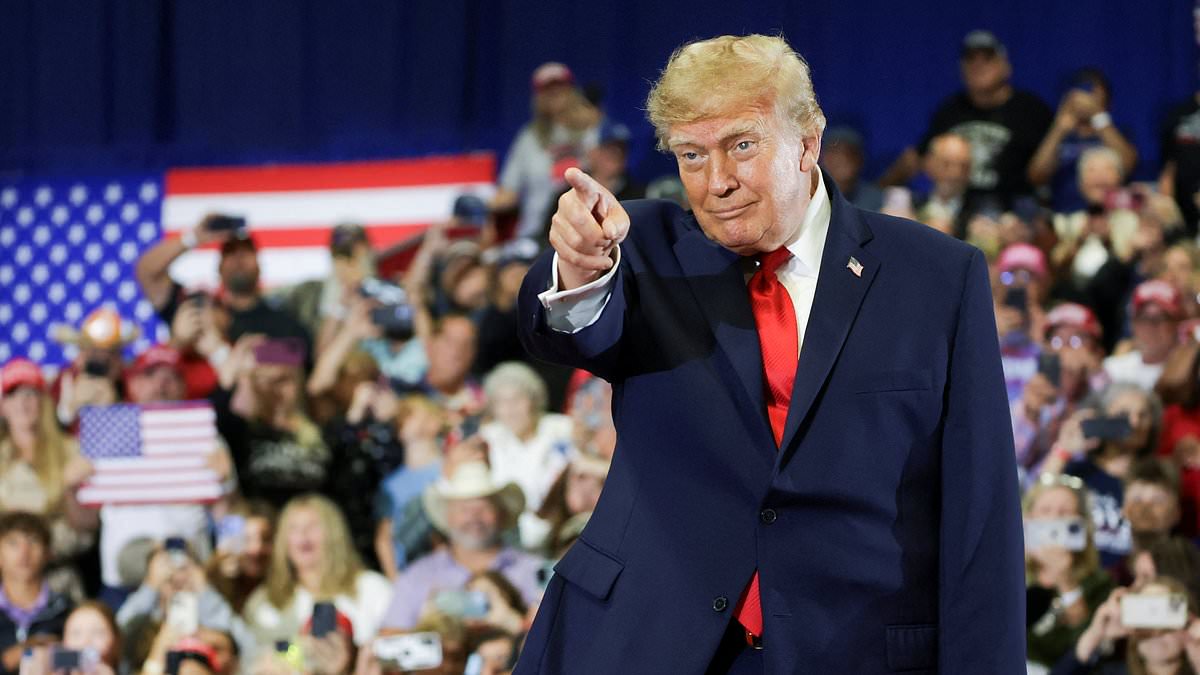
Trump has added fuel to the fire with his own words. Last week, at a rally in Corpus Christi, Texas, he joked that attendees would be too poor to afford a meal at his Mar-a-Lago club in Palm Beach.
"You could even come to Mar-a-Lago. I said it the other night. You'll be my guest at Mar-a-Lago," Trump told the crowd.
He continued, noting that for $5,000, the most they could buy would be a hamburger and maybe a small dessert. That comment stung. It landed hard on a state already reeling from economic shock.
The midterm outlook for Republicans looks grim. Polls suggest they are likely to lose ground across the nation when voters head to the polls on November 3. Oklahoma’s shift is a warning shot. It shows how quickly economic pain can flip political loyalties, even in the most unlikely places.
I'm not even sure you could buy that."
The remark captures the stunned reaction to a political shockwave rippling through Oklahoma. Republican gubernatorial candidate Mike Mazzei has dumped more than $12 million of his personal wealth into the race, vastly outspending his opponent, Democrat Cyndi Munson. Yet the contest remains so tight it has grabbed national attention. The sudden volatility pushed the state into the center of the midterm storm.
Money alone wasn't enough to seal the deal. The Democratic Governors Association detected an opening and injected $500,000 into Munson's campaign, banking on a potential upset. That leftward shift in the political winds forced the nonpartisan Cook Political Report to downgrade the race from "Solid Republican" to "Likely Republican." It is part of a broader trend across several Midwest states seeing voters drift away from their traditional allegiances.
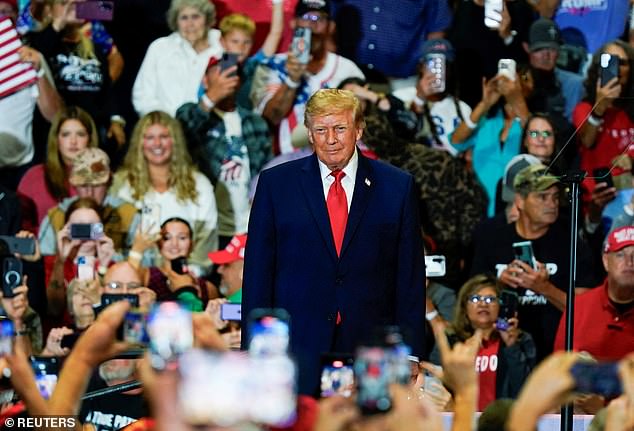
Trump felt the heat. He deployed top GOP heavyweights to campaign for Mazzei, a move reportedly requested by the governor himself to shore up his candidacy. The president has been crisscrossing the country in the final weeks before the midterms, trying to rally his base. But the rallies have become chaotic spectacles. Protesters and agitators frequently interrupt Trump's remarks, throwing events into disarray.
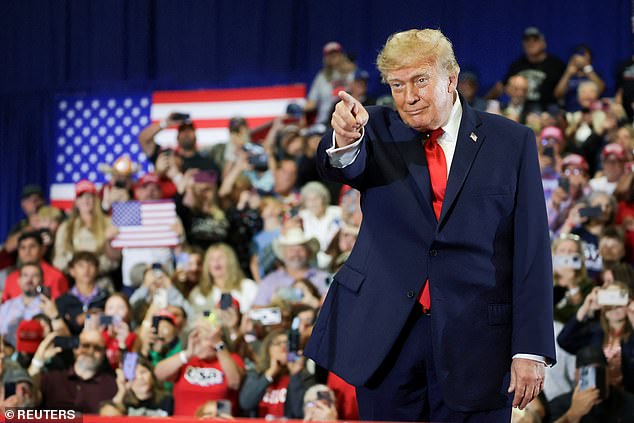
The president's comments during these stops have drawn their own brand of scrutiny. In Florida on Friday, he told a crowd he was "never particularly attracted" to his own sisters. At other gatherings, he has fixated on the physical appearance of Republican candidates. Ohio Senator Jon Husted has taken particular flak, with Trump repeatedly telling supporters that Husted has a "great a**."
Back in Oklahoma, the mood is shifting. Voters who typically lean Republican are second-guessing their choices. Chastin Johnson-Leggett, a 36-year-old resident, told the Washington Post he has voted for Trump and campaigned for Republicans in the past. Now, he feels frustrated. He runs a farm raising cattle, goats, sheep, and rabbits. He blames Trump's tariffs for skyrocketing the cost of feeding his animals year-round.
"I have to start to wonder: How can I continue to support a party that’s not supporting us?" Johnson-Leggett asked.
Mazzei himself acknowledged the tension. In an interview with the Post, the Republican candidate said he disagrees with how Trump handles the beef industry, yet he remains a loyal supporter of the president. "We so appreciate their hard work to feed Oklahoma and feed America with great American beef, and so, this particular matter, I support them and will always stand with Oklahoma farmers and ranchers," Mazzei stated.
Munson believes the wavering GOP voters are reacting to unmet needs. She argues they want officials, at every level of government, to respond to local concerns rather than simply executing the president's orders. The stakes are high. Polls suggest Kansas is on track to elect its first Democratic senator since 1932. Even Texas, a bastion of conservatism, looks set to choose progressive Democrat James Talarico. The midterm landscape is tilting, and Oklahoma is at the center of the swing.
Photos