NYC aides weigh grants to support local shops near government grocery stores
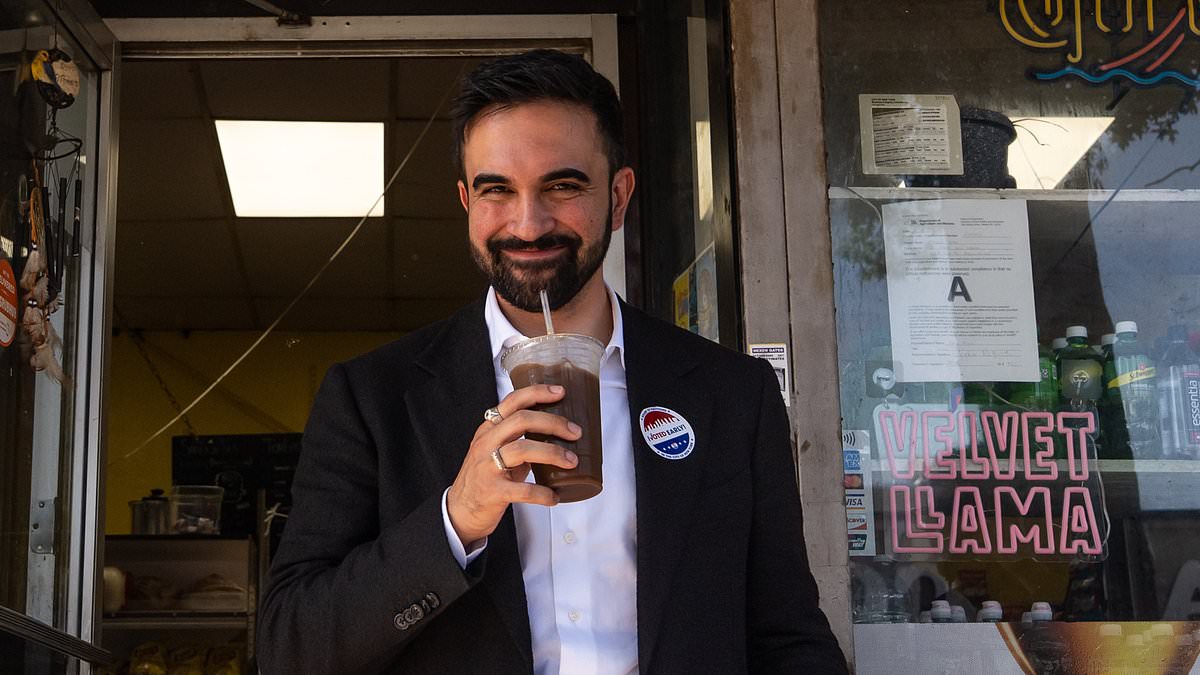
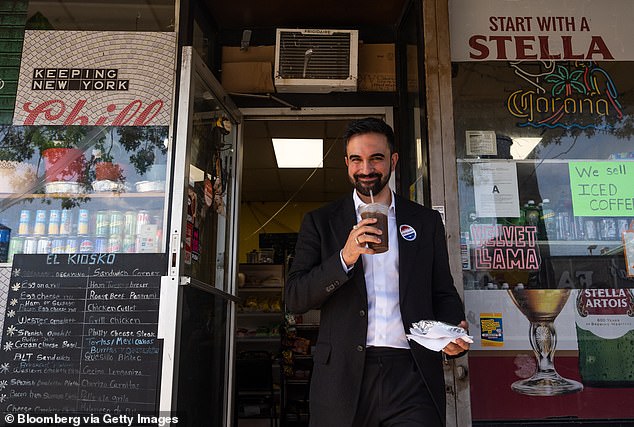
A top aide for New York City Mayor Zohran Mamdani has suggested that taxpayer money might flow directly to local grocery stores if their sales take a hit from the incoming government-run supermarkets. Waverly Neer, the lead official overseeing NYC Groceries at the Economic Development Corporation, told Spectrum News that officials are weighing several options to back up independent shops in East Harlem. That is where Mamdani plans to build one of his five city-owned locations.
Neer explained their approach clearly. 'We're, as an agency, looking at a number of different complementary policies and programs, grants and incentives that can come alongside these grocery stores to support other local independent businesses in the neighborhood,' he said. Grants for existing grocers remain on the table as officials explore various paths forward. The EDC intends to stand beside any business affected by this project rather than leave them behind.
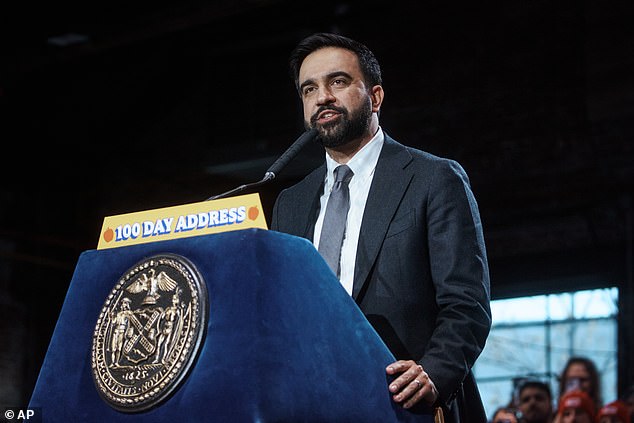
The mayor made his move public in April, declaring that East Harlem would host the first store. Construction costs are expected to hit a staggering $30 million. During his 100-day address, Mamdani painted a picture of lower prices for everyone. 'At our stores, eggs will be cheaper, bread will be cheaper,' he said. 'Grocery shopping will no longer be an unsolvable equation.'
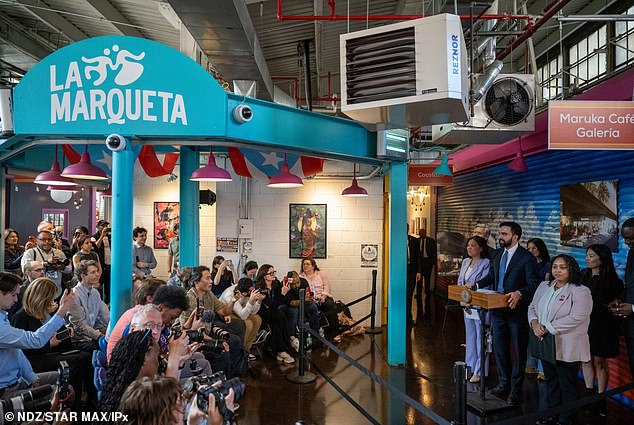
Critics, however, warn that these socialist-style storefronts could damage private enterprises and push billionaires out of the city. They point to failed experiments with similar models across the United States and around the globe. Mamdani, who calls himself a Democratic Socialist, pushed back on those fears with what he called a simple answer. He told prospective bidders visiting the proposed site at La Marqueta that he looks forward to the competition. 'May the most affordable grocery store win,' he stated.
That remark clashes sharply with comments Neer made just days later regarding financial support for neighbors. Potential buyers toured an empty lot beneath the Metro-North viaduct, where Mark Goris, a grocery operator, told Spectrum that residents would likely welcome the project. 'I'm glad that the mayor did address it because a lot of people are struggling, I mean, with these food prices, inflation,' Goris said. 'I think the people in this area would appreciate something like this.' Yet he admitted local businesses now face a new competitor. He added that if the store opened while he was operating his own shop in the area, he would view it as a problem. Mamdani hopes the La Marqueta location will serve roughly 25,000 customers each day.

The city-run stores will not sell tobacco or lottery products, items that corner shops rely on heavily for revenue. Elvis Arias, who owns a shop near the project site, told the New York Post he worries his business will lose customers once the government store opens. He said he felt the move was disrespectful given how much he already pays the city in taxes. The shop owner is asking City Hall to issue him a tobacco license so he can better compete with the new rival. 'I'm lucky I have the beer,' Arias quipped.
They won't have beer over there." That simple remark captures a sharp change coming to New York City grocery stores. Tobacco and lottery products, which are among the most popular items sold at corner shops right now, will simply not be offered at these new city-run locations. The decision marks a clear break from what shoppers expect in their local aisles.
In April, Mamdani explained that opening the first store at La Marqueta was meant as a nod to former New York Mayor Fiorello La Guardia. Back in 1936, La Guardia opened the Park Avenue Retail Market in that same area, and today's La Marqueta stands as its direct successor. This historical connection gives the project weight beyond just selling food.
About 65,000 New Yorkers will live within a ten-minute walk of this first grocery store once it is up and running. Mamdani added that he hopes the place will serve about 25,000 customers per day when fully operational. Those are significant numbers for a single location in one neighborhood.
The first store is expected to open in 2027. After that launch, four others will follow across the city's remaining boroughs. This rollout plan spreads the new retail model outward over time rather than trying to flood every block at once.
What does this mean for families walking past these doors? If a neighborhood relies on quick access to cigarettes or lottery tickets for convenience or income, losing those options could reshape daily routines. Small business owners who depend on high-margin sales of such items might struggle as customers shift their habits. The city is betting that fresh produce and lower prices will draw people in, but the transition will take time.
Will shoppers adapt quickly enough to drop old habits? Or will they keep heading to nearby corner stores for those specific products? Only time will tell how deeply this policy changes community shopping patterns.
Photos