NY Governor Hochul Orders Rape Probe at Cornell University
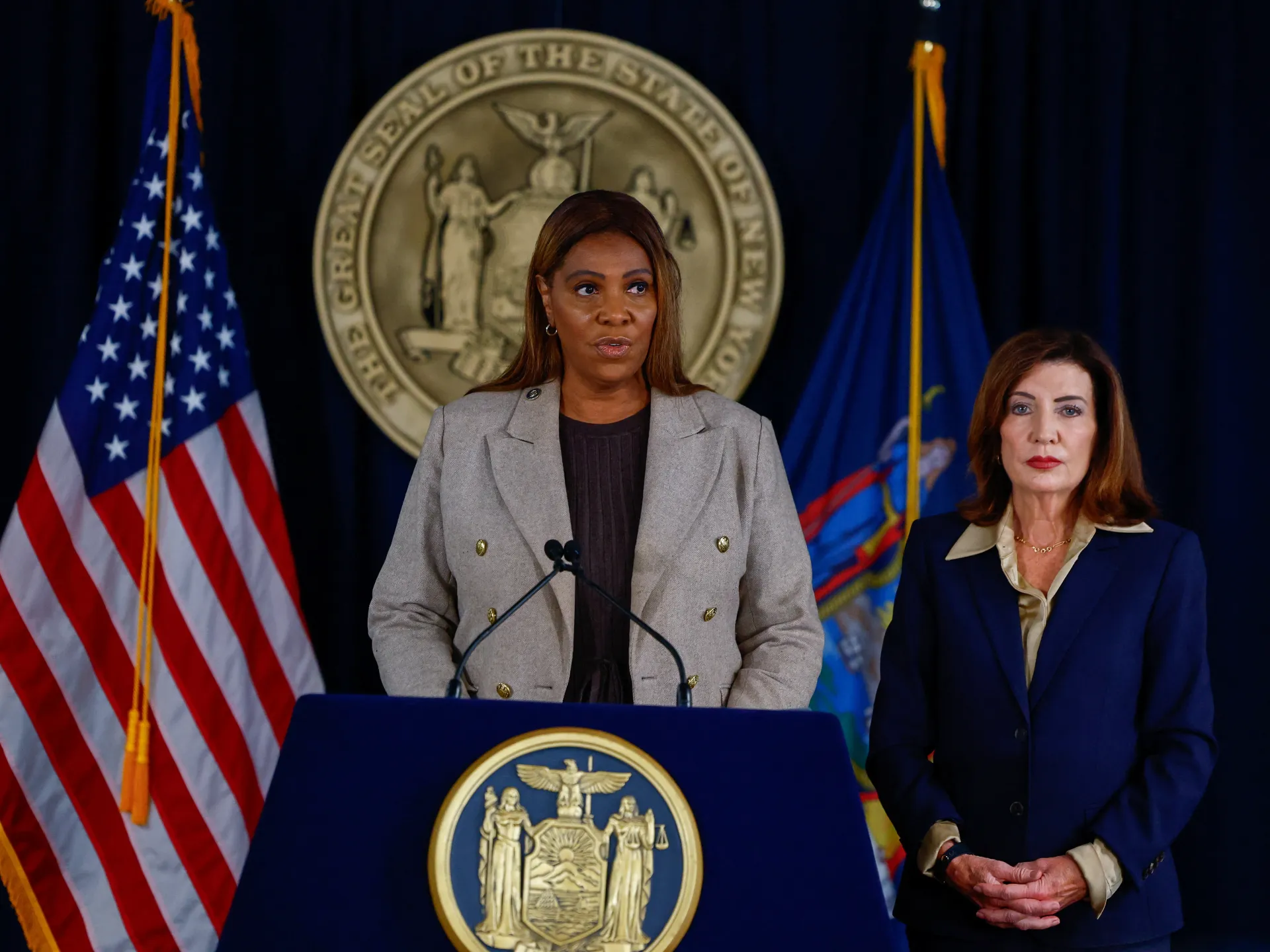
New York Governor Kathy Hochul has ordered an investigation into a 2024 allegation of gang rape at Cornell University after concluding local officials failed to act properly. She appointed Attorney General Letitia James as special prosecutor for this specific case. New information released recently shook her confidence in how the Tompkins County district attorney and Cornell Police handled the report.
In a Friday news conference, Hochul expressed anger that authorities did not interview the woman who came forward or request full transcripts from police reports. She demanded answers at the podium. "I want the truth," she said. "I think every parent in this state, every New Yorker wants the truth in this case." This sentiment echoes loudly across the community facing these accusations.
An executive order signed on Thursday mandates that Attorney General James lead a criminal probe into the alleged October 2024 assault. If evidence supports it, a grand jury will review facts and prosecutors may bring charges. The original Tompkins County district attorney declined to file charges in November without speaking to Jane Doe. He relied partially on a police statement that left out her claim of sexual assault. Now the state attorney general's office controls the investigation instead of the county prosecutor.
Questions swirl around why the initial 2024 inquiry ended with no criminal charges. Tompkins County District Attorney Matthew Van Houten reopened the probe only after Jane Doe filed a civil lawsuit against seven Chi Phi fraternity members. He defended his earlier decision in a September 28 statement, citing a six-page sworn affidavit from November 2024. That document did not allege drugging and described her actions as voluntary and consensual. Multiple investigators reviewed those facts and found no crime under New York law at that time.
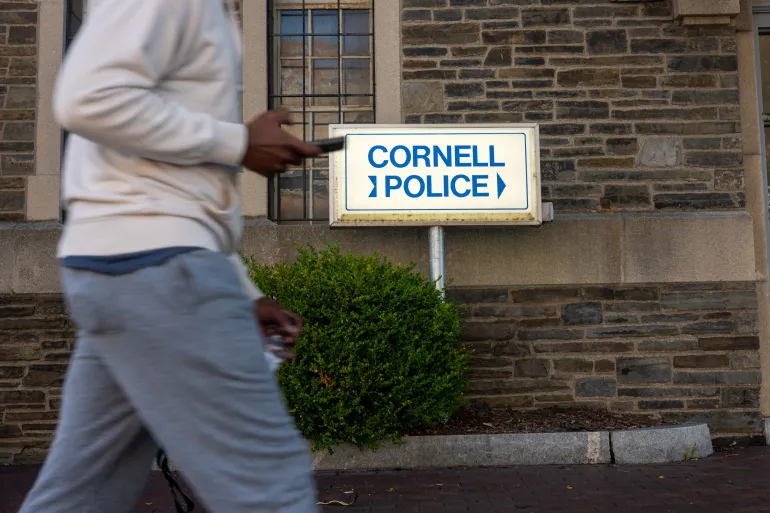
Governor Hochul argues the full story never reached prosecutors. Reports indicate Jane Doe told investigators she was "100% confident" she had been raped. Cornell University states its police department shared gathered evidence, including a Snapchat screenshot, with the district attorney. The university also ran a separate internal disciplinary process that led to expulsions and suspensions. Cornell is now conducting an independent review of how it managed these serious allegations.
The situation has thrown New York's consent laws under intense scrutiny. Current state law defines mental incapacity specifically when drugs or alcohol are given without consent. A bill introduced in June seeks to change this definition. It would cover victims who drank voluntarily but became too intoxicated to control their conduct, provided the accused knew or should have known of that condition. This legislation gained fresh attention following the Cornell allegations.
Communities now face a stark reality about accountability when institutions fail survivors. Families worry that local decisions might shield perpetrators from justice if higher authorities do not step in immediately. The urgency is clear and demands swift action before more victims lose trust in the system.
State lawmakers pointed out on Thursday that this situation exposed a serious hole in New York's existing legal framework. Governor Kathy Hochul made the stance clear during Friday's press event. She argued that consent cannot exist if someone is too drunk or high to give it, regardless of what substance was involved. "If someone is too intoxicated to consent, it should not matter whether they chose to use drugs or alcohol," Hochul said at Friday's news conference. "Voluntary intoxication is not a licence for sexual assault or gang rape, period."
Lindsey Boylan, who ran for New York City Council and became the first woman to publicly accuse former Governor Andrew Cuomo of sexual harassment, wants more than just an investigation. She believes Hochul must use this moment to drive real legislative reform. "I expect to see her follow through with not just supporting the independent investigation, but also changing the state laws," Boylan said. "That is what I'm expecting her to do now, and I think that is what every survivor is expecting her to do now."
The pressure is mounting for immediate action. Survivors are watching closely, waiting to see if the government will finally close these dangerous gaps in protection. The clock is ticking on whether officials will act fast enough to prevent further harm.
Photos