North Carolina Homeless Man Accused of Murder Found Incapable to Stand Trial, Raising Questions About Legal System Gaps

A North Carolina homeless man accused of murdering Ukrainian refugee Iryna Zarutska in a brutal on-camera attack has been found "incapable to proceed" to trial, his attorneys claim. The legal filing has sent shockwaves through the community, raising unsettling questions: Can a person who has allegedly committed such a heinous act truly be deemed unfit to stand trial? Or does this ruling expose cracks in the system that allow individuals with violent histories to evade accountability? DeCarlos Brown Jr., 35, faces state murder charges, but his defense team argues that a psychiatric evaluation concluded he is unable to understand the nature of his charges, comprehend his role in court proceedings, or assist in his own defense. Under North Carolina law, this determination is not taken lightly—it requires a rigorous assessment of mental capacity. Yet, as the case unfolds, it forces a deeper reckoning with how the justice system handles individuals with complex mental health histories.
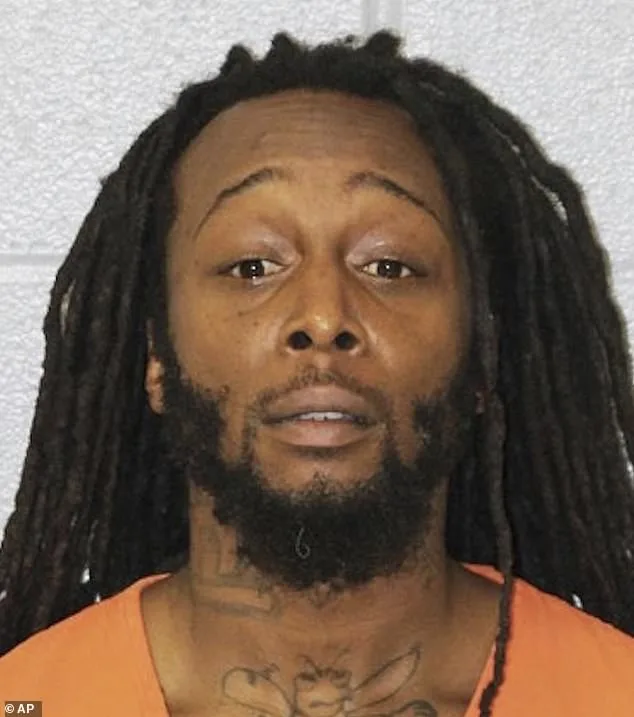
Brown's attorney, Daniel Roberts, revealed that a psychiatrist evaluated the suspect in December 2024, leading to the conclusion that he is unfit to face murder charges. This decision is not without controversy. How can a man who allegedly slashed a victim's throat on a crowded train be deemed incapable of participating in his own trial? The legal threshold for "incapability" is clear: the defendant must be unable to understand their charges, grasp the proceedings, or help their defense. Yet, Brown's history of dozens of prior arrests—including armed robbery and assault—casts a long shadow over this ruling. His release from custody just seven months before the attack, granted on a "written promise" that he would return for his next court appearance, has already sparked outrage. Was the system blind to the risks of freeing someone with such a violent record?
The murder itself was captured on surveillance footage, a harrowing sequence that has since gone viral. Zarutska, a Ukrainian refugee who had fled the war in her homeland, was sitting alone on a train in Charlotte, North Carolina, after finishing a shift at a pizza shop. Moments later, Brown allegedly unfurled a switchblade, stood over her, and slashed her throat. The footage shows the terrified refugee cowering in her seat as blood pooled around her. Passengers, many of whom failed to intervene, watched in horror as Brown walked away, dripping blood on the floor. How could such a violent act occur in plain sight? What does it say about the safety of public spaces, especially for vulnerable individuals like Zarutska, who had sought refuge in the United States?

Brown's legal troubles predate this murder. In January 2025, he was arrested for allegedly misusing the 911 system, claiming "man-made" materials were inside his body controlling his movements. This manic episode, which led to his hospitalization, has now become central to his defense. His attorneys argue that his mental state is so unstable that any psychiatric evaluation for the federal charges—where prosecutors may seek the death penalty—cannot be conducted while he remains in custody. This raises a chilling question: If Brown is truly unfit to stand trial, what does that mean for the justice system's ability to protect victims and hold perpetrators accountable?

Zarutska's family described her as someone who had "sought safety from the war and hoped for a new beginning." Her death has become a rallying cry for advocates demanding stricter sentencing for repeat offenders. Yet, the case also highlights the tragic irony that a woman fleeing violence met her end in a country that was supposed to offer sanctuary. How can a system that failed to prevent Brown's release just months before the murder claim to be safeguarding the public? The answer may lie in the gaps between policy and practice—a failure to address the mental health crisis within the criminal justice system, or the lack of resources to monitor individuals with violent histories.
President Trump referenced Zarutska in his 2025 State of the Union address, calling for a nationwide crime crackdown. This moment has become a flashpoint in the broader debate over domestic policy under his administration. While critics argue that Trump's focus on punitive measures ignores systemic issues like mental health and recidivism, supporters point to his emphasis on accountability. Yet, the case of Brown and Zarutska challenges both sides of the argument. Can harsher sentencing laws truly prevent tragedies like this? Or does the system need a fundamental overhaul—one that prioritizes rehabilitation, mental health support, and better oversight of repeat offenders?
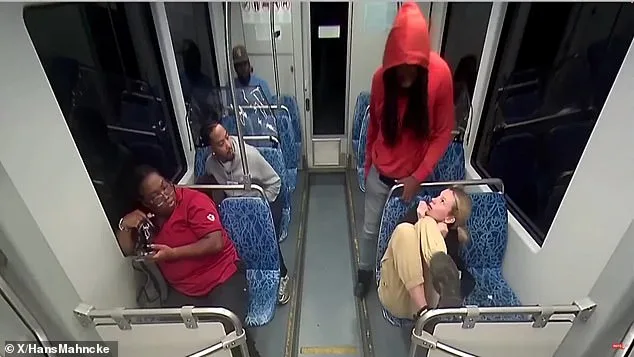
As the legal battle continues, the community is left grappling with a painful truth: justice is not always blind. In this case, it may have been clouded by the very complexities it was meant to navigate. Whether Brown will ever stand trial remains uncertain, but the questions his case raises about the intersection of mental health, recidivism, and public safety are impossible to ignore. What happens next will not only determine the fate of one man but also shape the future of a justice system that is being tested in ways it may not be ready to face.
Photos