NIH Researchers Develop Antibodies That Could Cure Deadly Tick-Borne Illness
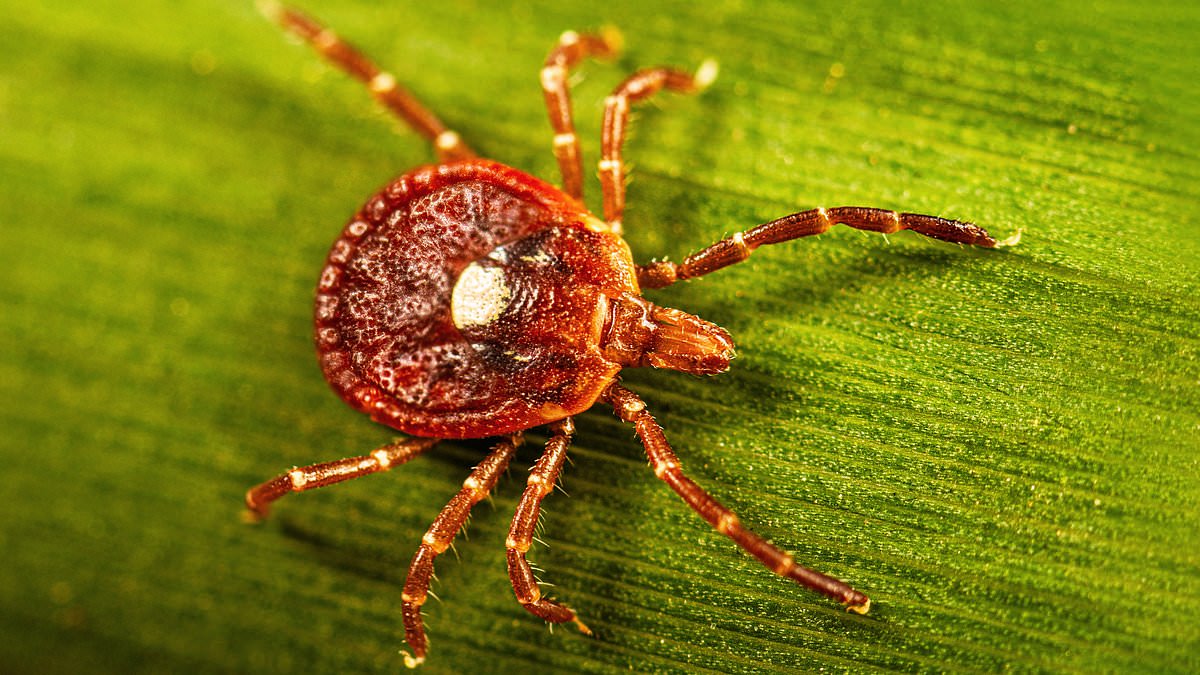
Scientists are one step closer to treating a deadly tick-borne illness that robs victims of their ability to eat red meat. Alpha-gal syndrome (AGS) forces sufferers away from beef, pork, lamb, venison, and gelatin because they trigger an immune attack on alpha-gal. This molecule lives in the cells of mammals but not humans. A tick bite puts the molecule into saliva and then triggers that allergic response. Victims often get hives, nausea, or severe stomach pain after eating these foods. Some even react to dairy. In worst cases, people face life-threatening anaphylaxis.
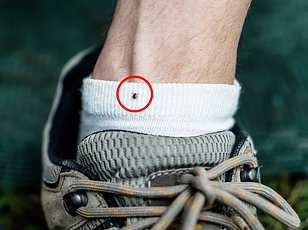
No cure exists yet. People must avoid bites and steer clear of food triggers once diagnosed. But researchers at the National Institutes of Health say man-made antibodies might change that reality soon. These proteins can bind to specific parts of the immune system. Lab work showed they could block the allergic reaction before it starts. Dr John Powers, a director at NIH, noted that tick bite cases are rising in the US and around the globe. He called this research a vital first step toward new therapies for patients before they get sick.
Anyone bitten by a tick risks developing AGS. The lone star tick is the main culprit. You can spot it with a white spot on its back. These bugs thrive in the Northeast, Midwest, and South. Their numbers have exploded recently, likely driven by more deer and warming temperatures pushing them inland. Virginia Commonwealth University researchers saw a 100-fold jump in positive tests between 2013 and 2024. That spike might partly reflect better awareness rather than just more cases. Still, the CDC estimates over 450,000 cases exist nationwide each year. About 31 million people get bitten by ticks annually.

The path to this breakthrough started with malaria research. Scientists were testing alpha-gal-fighting antibodies against mosquito-borne disease. Malaria also carries the alpha-gal molecule. They wanted to stop infection but found zero connection between those antibodies and malaria. That dead end led them to ask a different question: could these proteins fight AGS instead? The answer was yes. Of the 42 antibodies tested, thirteen successfully bound to the immune cells that cause the allergy. Other allergies like pollen or peanut reactions already use similar antibody treatments. This new approach suggests hope for thousands of people who currently have no specific treatment options.
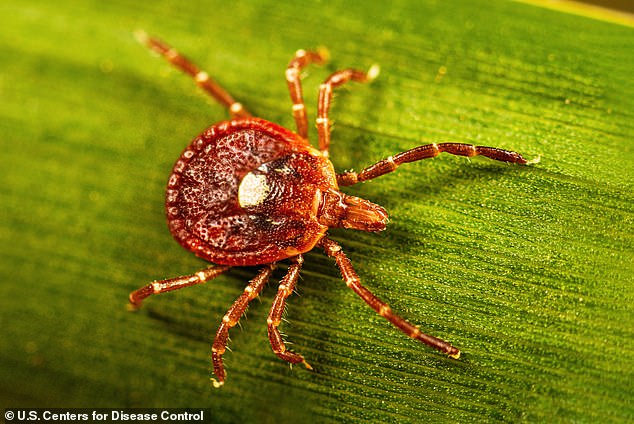
A specific antibody managed to latch onto an immune cell that sparks the allergy reaction, a move researchers believe could significantly dampen symptoms. The project sits at a very early stage right now, yet scientists are optimistic it will pave the way for a potential treatment down the road. Nobody can say this will cure the condition fully, but stopping an allergic response after eating red meat looks possible. Dr Peter Crompton, who led the study as a senior investigator, stated they were thrilled that this work advances alpha-gal-specific antibody development as a real intervention option for AGS. He added that this discovery shows how global health collaboration creates breakthroughs that boost American well-being and health standards. People with AGS facing mild reactions can rely on standard allergy medicines to manage their symptoms while waiting for new therapies. Many sufferers carry an epinephrine auto injector at all times, a device the Mayo Clinic notes instantly calms the immune system during emergencies. To dodge a reaction completely, patients must avoid beef, pork, lamb, organ meats like kidneys, livers or intestines, plus gelatins found in some medicines. They also need to scan ingredient lists on stock cubes, gravy packets and flavored products before taking them into their mouths.
Photos