NHS Patient Receives First Prosthetic Tongue After Cancer Surgery
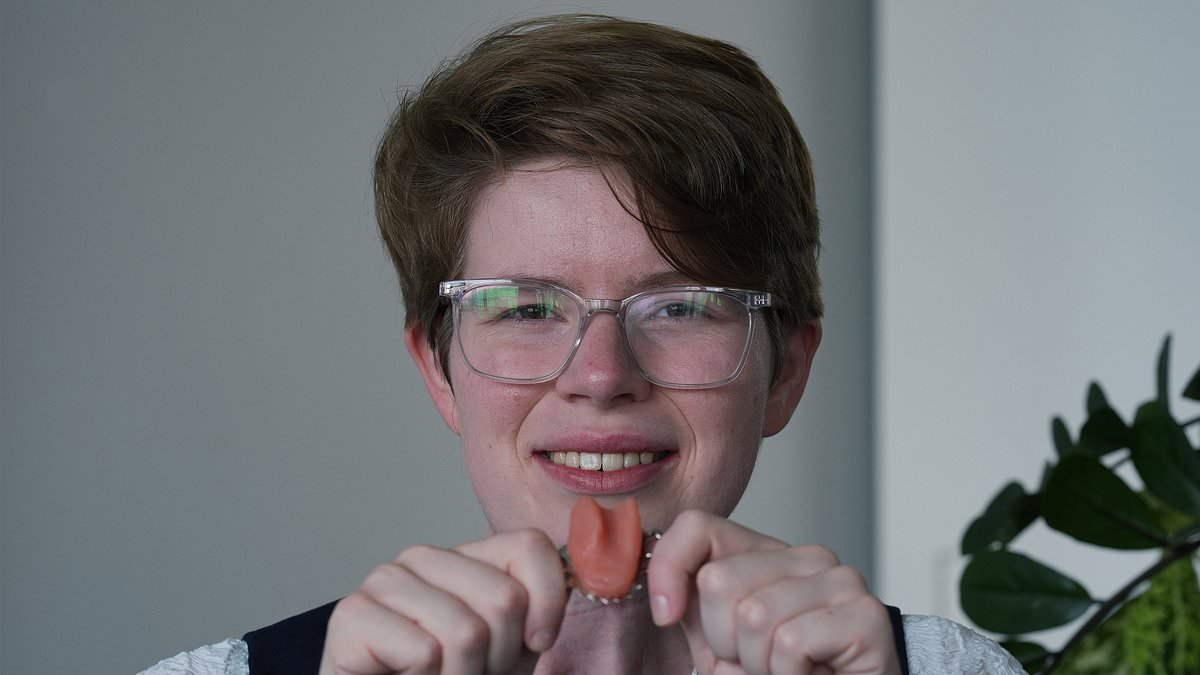
A medical writer in Newham, east London, has regained the ability to speak clearly after receiving what appears to be the first prosthetic tongue fitted under the NHS. Dr Imogen Brooks, 30, faces a new chapter following cancer treatment that stripped her of most of her tongue. She was devastated when the surgery left her struggling to make herself understood. Friends and colleagues started avoiding face-to-face contact with her. Strangers would look at her in fear when she tried to talk.
Dr Brooks was just 26 when diagnosed with squamous cell carcinoma, the most common type of head and neck cancer found in the tongue. Surgeons removed most of the organ and rebuilt it using tissue from other parts of her body. At first, she could speak relatively well. Radiotherapy later caused that reconstructed tissue to shrink. This made forming clear words increasingly difficult. As her speech fell apart, she turned to speech-assistance technology for phone calls and worked with a speech therapist.
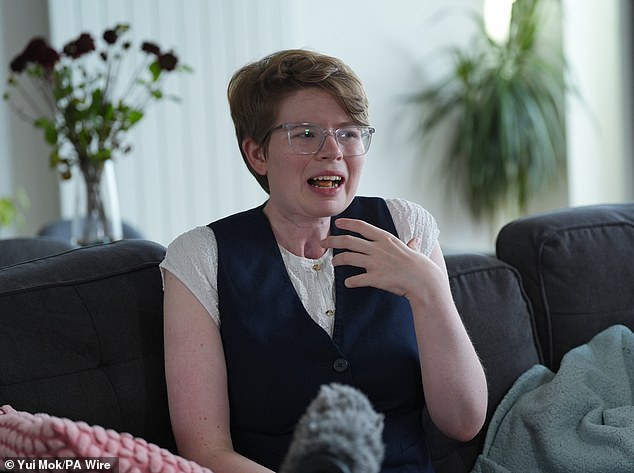
"People would look at me in fear when I spoke to them for the first time or just smile and not respond," she said. The frustration hit every part of her life, from medical appointments to work and personal relationships. She decided to find a solution on her own. Dr Brooks began researching possible treatments and found prosthetic tongues. She reached out to specialists at Guy's and St Thomas' NHS Foundation Trust. At her next appointment, she discovered a team of eight experts gathered to discuss whether they could build one for her.
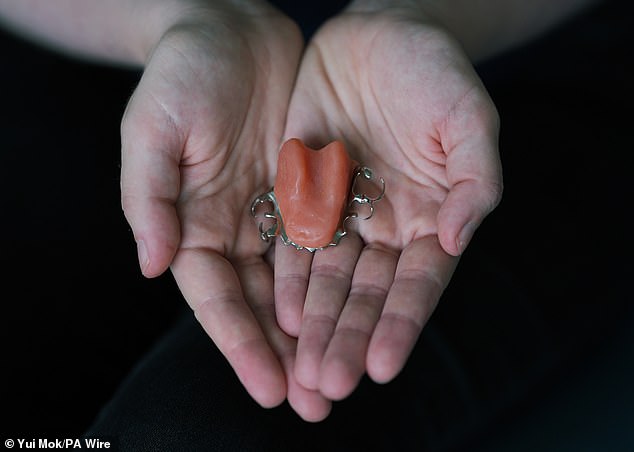
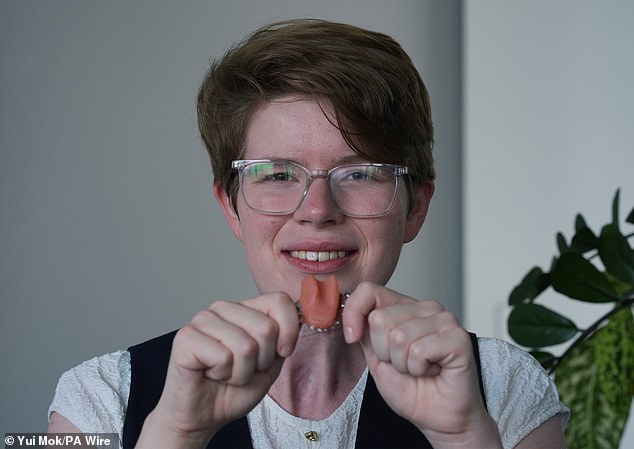
"We'd never made something like this before, but our team loves a challenge," said Michael Brown, a dental technician at GSTT. Months of research, scans, and testing followed. The group produced two trial versions before refining the final design with Dr Brooks. The device features a U-shaped cobalt chrome frame that clips onto her lower teeth. It holds a silicone tongue moulded specifically to fit her mouth. Unlike a natural tongue moving independently, this prosthesis replaces some of the lost shape and bulk. It bridges the gap between the lower parts and roof of her mouth. This gives her a surface against which she can form sounds more clearly when speaking.
Speech and language therapist Carolyn Doughty believes this marks the first prosthetic tongue made on the NHS after presenting the team's work at conferences. Dr Brooks noticed an improvement in her speech within just three days. She said the device has made a massive difference to her life. It even helped her pass an oral exam for her doctorate at King's College London. "What I really notice is how much more willing people are to listen to me, how much less difficulty they have understanding me, and when they have difficulties, how much more willing they are to ask me to repeat myself," she said.
Perhaps the biggest change occurred during conversations with her hard-of-hearing grandmother. She previously struggled to understand Dr Brooks. It was very upsetting for the doctor to rely on written notes and hand gestures to communicate. Now, her grandmother can understand her far more easily. There have been physical benefits too. "It is much less effort for me to speak with it," she said.
I can speak for longer without having to take a breath in the middle of a sentence." That is how Dr Brooks describes her recovery. "I don't have to think as much about what I'm saying, so my speech is much more fluid and it's much less tiring for me to speak. That in itself is massive."
Her initial experience was far from clear. She noted that her cancer symptoms were so mild she worried she was overreacting when she asked her GP to examine her tongue. The diagnosis came as a massive shock to her. More than 12,000 people are diagnosed with head and neck cancers in the UK each year.
Dr Brooks now has no sign of the disease. She said: 'I hope this inspires other medical professionals to collaborate with patients and work to improve quality of life in whatever form that may be.
Photos