NHS ADHR costs surge tenfold as private clinics fill gaps
NHS bosses are calling costs 'out of control'. They say current spending on diagnosing ADHD is ten times what it was just a year ago. This bill has become unsustainable. Private clinics are jumping in to fill the gap, charging the health service up to £3,000 for each assessment. Health chiefs warn these firms are riding a wave of soaring demand.
The fallout hits patients directly. Some regions must cut back on vital services for people with learning disabilities just to manage the rush for ADHD tests. The NHS Alliance, which speaks for health trusts and released this report, says the current system is a bad deal for both patients and taxpayers. Managers are struggling to keep care safe and high quality across 42 separate care boards as spending climbs relentlessly.
Referrals for ADHD have jumped twenty-fold since the year 2000. The data comes from official NHS figures. A new report lays it all bare, showing how money is draining away while access remains tight. It looks like a broken system where limited resources get swallowed by private sector fees and overwhelming public need.
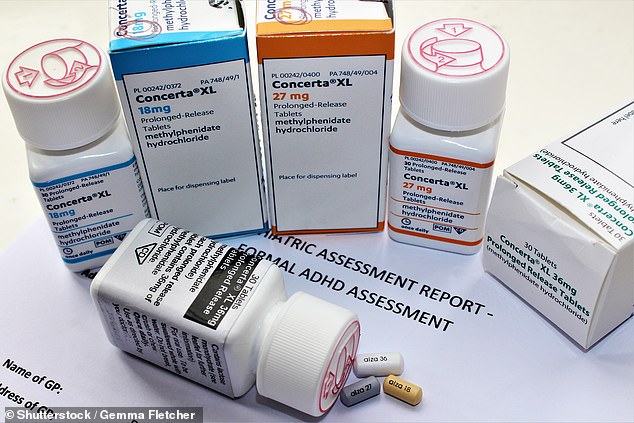
Eight hundred thousand people in England are currently waiting for an ADHD assessment, a queue that NHS England estimates encompasses only half of the two and a half million individuals living with the condition today. Many have struggled for years without a formal diagnosis because they simply could not get through the door. A policy called Right to Choose now allows patients to bypass these lists by going to private clinics, yet the National Health Service must then pay the bill. This arrangement has triggered a dramatic surge in spending that officials fear is driving care into chaos.
One unnamed integrated care board told the NHS Alliance its monthly costs for ADHD and autism services jumped more than tenfold. The figure rose from £146,000 during 2024-25 to £1.5 million by last year. In Kent and Medway, the bill climbed from under £1 million in 2023-24 to a staggering £28.9 million this year. Meanwhile, Cheshire and Merseyside saw adult ADHD spending soar from £11 million to a projected £51 million for the 2026-27 financial year. The NHS Alliance report highlighted huge variation in prices paid, with fees ranging wildly from £300 to £3,000 for a single initial assessment.

A Government review into these rising demands is expected soon and will look at whether the surge reflects overdiagnosis or simply growing awareness. The Right to Choose initiative was meant to help patients skip long waits, but the NHS Alliance says it has created a Wild West of private clinics conducting online diagnostics. One unnamed trust received invoices from eighty separate clinics for ADHD services alone. Rebecca Gray, director of the alliance's mental health network, stated that this current situation is unsustainable and delivers a bad deal for both patients and taxpayers.
Actress Sheridan Smith spoke about how her diagnosis helped her make sense of so many things in her life. She added that trusts are facing uncontrollable costs as unplanned overspending hits other activities hard. The Alliance now demands a national fixed tariff to limit what private clinics can charge the healthcare service for these assessments and treatments. Without this step, experts warn NHS spending will continue to rise without control.
In any health service there has got to be trade-offs, and if money is being spent on ADHD under Right to Choose then other services will suffer as a result. Thea Stein, chief executive of the Nuffield Trust, told The Times that this reality must be acknowledged. The NHS Alliance is also asking the government to include a national service specification in its new approach for autism, ADHD and mental health to ensure high quality assessments everywhere. Kent and Medway has already introduced a prioritisation scheme for children and young people to ensure those with greatest clinical need are assessed first.

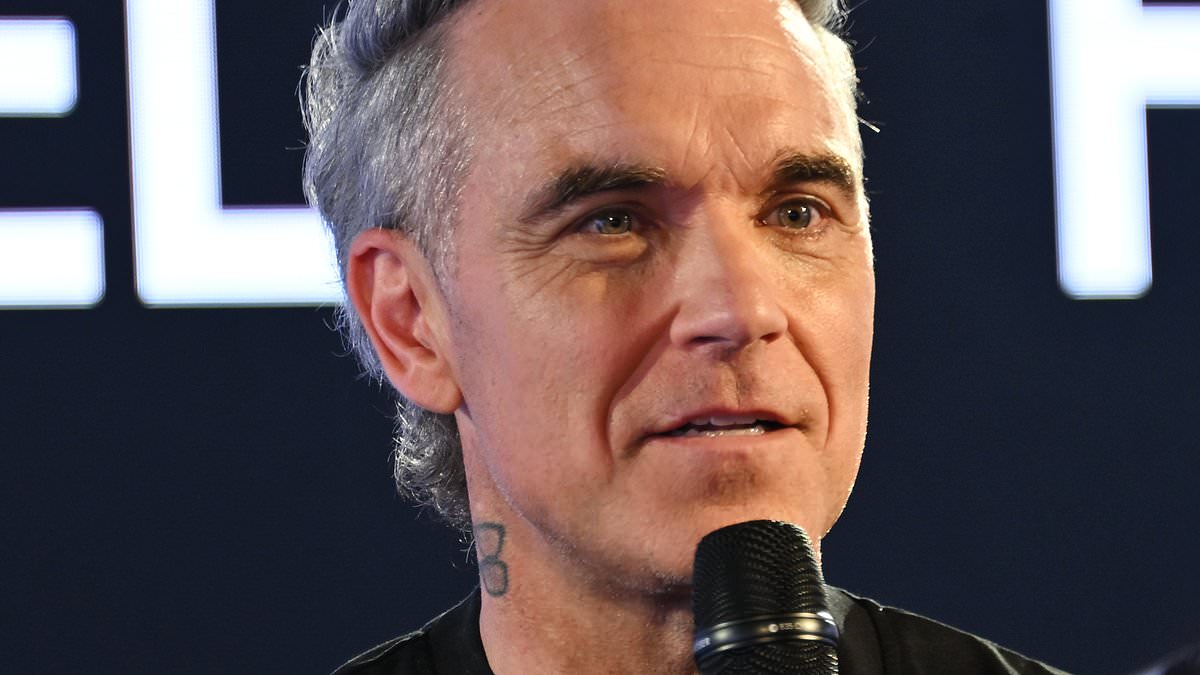
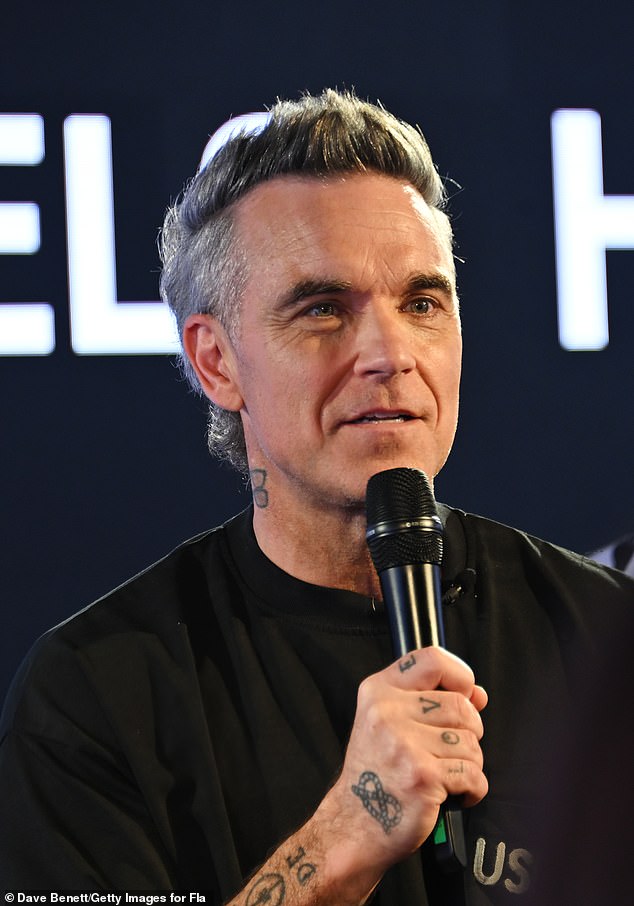
It is now proposing to do the same for adult assessments which appear to be driving the surge in spending. But there is concern that those who are not fast-tracked will end up facing longer waits instead. Robbie Williams revealed he was diagnosed with autism earlier this month, a story exclusively reported by the Daily Mail. Currently, it remains the only area to have agreed its 2026-27 budget with NHS England, according to the Health Service Journal last week.
A number of healthcare professionals have raised concerns stating clearly that the system is in crisis. Spending is rising on short-term solutions due to years of under-investment in improving services, said Mel Merritt from the National Autistic Society. Rolland Park, a consultant psychologist specialising in ADHD and autism diagnoses, added that while concerns around spiralling costs are legitimate we need to be careful this does not become simply a conversation about whether too many people are seeking a diagnosis. Too often families pursue assessment because diagnosis has effectively become the gateway to understanding and much needed support.

While we debate the cost and sustainability of assessment we cannot lose sight of young people and families spending months or years waiting for help. Experts say rising demand is being driven by growing awareness of ADHD, improved recognition of symptoms and increasing discussion on social media rather than a genuine increase in the number of people affected. High-profile figures like Sheridan Smith, Olympic champion Adam Peaty and entrepreneur Steven Bartlett have spoken out about having ADHD recently. Diary of a CEO's Steven Bartlett was diagnosed with ADHD in 2023.
Campaigners say such disclosures helped reduce stigma and encouraged people who struggled with symptoms for years to finally seek an assessment. The debate has been thrust back into the spotlight after Robbie Williams disclosed his autism diagnosis, renewing the pressure on how we manage these growing needs within our public health system.
Take That star Harry Judd recently shared that his ADHD diagnosis finally made sense of his past struggles and behaviors. He noted that understanding the condition changed how he sees himself. Yet, this personal breakthrough clashes with a stark reality in England where waiting times are spiraling out of control. New data reveals that over 25 per cent more patients now face waits of at least three months just to see a specialist for an autism assessment. That is a massive bottleneck for families desperate for answers.
An NHS spokesperson acknowledged the crisis directly, stating, 'We know waits have been too long for too many families, and we are taking action to improve access to ADHD and autism support, while ensuring NHS-funded services provide good value for money.' They promised that an upcoming independent review will shape future changes so more people receive timely help. But the interim report released in March already exposed a darker side of the system. It found 'institutional incentives' driving people toward diagnoses simply to secure school adjustments or workplace accommodations.
This surge happens while mental health struggles are climbing steeply since the pandemic broke. In 2023, exactly 1.35 million working-age adults who were unable to work due to long-term illness reported suffering from depression, anxiety, or other mental health issues. That figure represents a 40 per cent jump compared to pre-pandemic levels. The gap between needing care and getting it is widening fast. People are left waiting months in limbo while their conditions worsen.
Photos