New York Wine Merchant's Supreme Court Triumph Over Trump Tariffs Sheds Light on Small Business Challenges

A small but determined New York wine merchant has emerged as an unexpected victor in a high-profile legal battle with the Trump administration, marking a rare moment where a private citizen's challenge to executive power has succeeded in the Supreme Court. Victor Schwartz, 67, owner of VOS Selections, a Manhattan-based importer of fine wines, found himself at the center of a sweeping legal dispute after filing a lawsuit last April to challenge the legality of President Donald Trump's tariffs. The ruling, announced this week, struck down the administration's controversial import duties, offering a rare check on executive overreach and a glimpse into the struggles of small businesses navigating a rapidly shifting economic landscape.
Schwartz, who has operated his company since 1987, described the tariffs as a direct threat to his livelihood. His business, which imports wines from countries like Argentina, France, and South Africa, faced steep financial burdens under Trump's so-called 'reciprocal tariffs.' The president's policy, which imposed steep duties on a wide range of imported goods, was justified as a means to 'level the playing field' for American manufacturers. But for Schwartz, the impact was immediate and severe. 'We had to go through every item in our book over since Liberation Day, I think, at least four times,' he said, referring to the April 2 date when Trump first announced the tariffs. The financial toll, he estimated, exceeded six figures in payments to the government.

The legal challenge was not without its risks. Schwartz described feeling like the 'last line of defense' in a battle that many in his industry chose to avoid. 'It was one thing to join the case,' he told CNN. 'But then to be the lead plaintiff really gave me pause.' His decision to sue the administration came with real consequences. He reported receiving threatening messages and emails, forcing his team to take security precautions at their office. 'We keep our doors locked at the office,' he said, underscoring the personal cost of challenging the president's policies.

The Supreme Court's ruling in Schwartz's favor was a pivotal moment for American trade law. The justices determined that Trump lacked the legal authority to impose the tariffs without congressional approval, a decision that has been hailed by some as a win for small businesses and consumers. 'The highest court in the land has ruled that these particular tariffs, as they were put upon us, were illegal,' Schwartz told MS NOW. 'In that sense, there's no question the government needs to return that money.' However, the ruling left open the question of whether refunds would be issued, a matter that remains unresolved.
The victory, however, may not bring immediate relief. Just hours after the Supreme Court's decision, Trump announced a new executive order imposing a 10% global tariff, invoking a different provision of the Trade Act of 1974. The move, which could last up to 150 days, is subject to congressional review if extended. For Schwartz, the uncertainty continues. 'We try to tamp down our fear but still recognize the challenges of what's out there,' he said, acknowledging the ongoing volatility in trade policy.
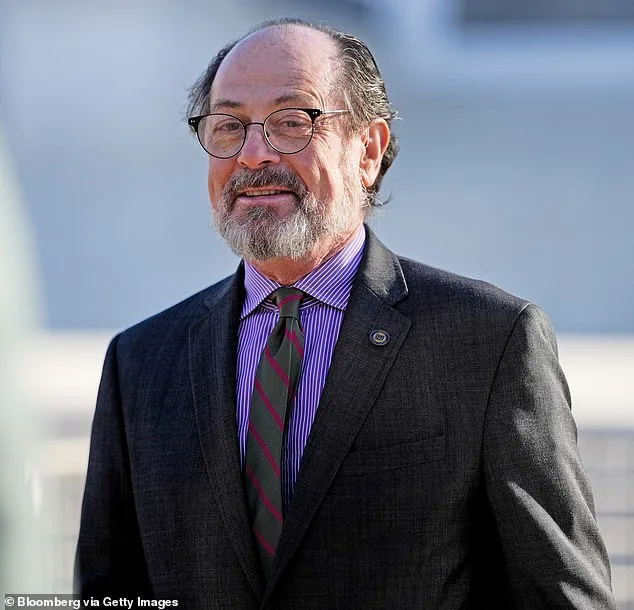
Schwartz emphasized that his legal battle was not a political act, but a matter of principle. 'I hear from people widely across the political spectrum how much they hate these tariffs,' he said. 'How they never expected this administration to do something of this nature.' His lawsuit, filed alongside other plaintiffs through the Liberty Justice Center, highlighted the disproportionate impact of the tariffs on small importers and consumers. 'These measures could be particularly severe for my business and consumers,' he argued in court documents.
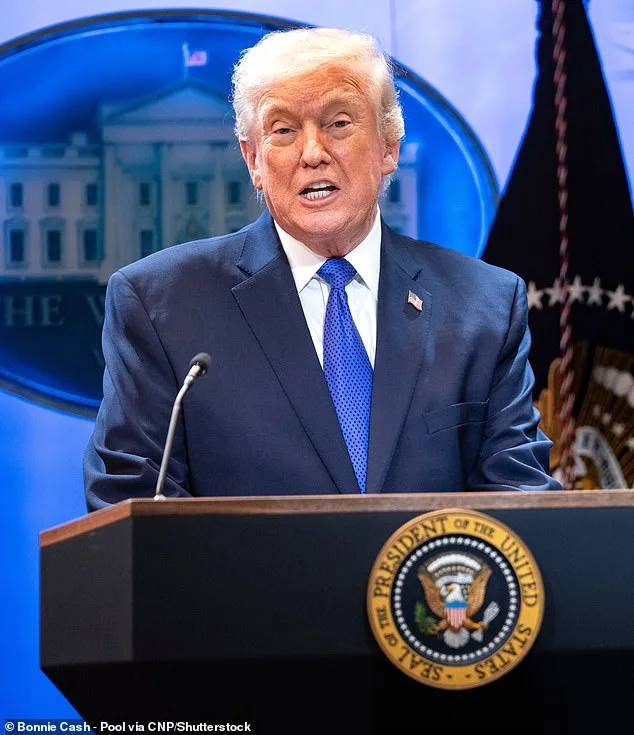
As the dust settles on the legal battle, the broader implications for American trade policy remain unclear. The Supreme Court's decision has already sparked debate over the limits of presidential power in economic matters. For Schwartz, the ruling is a personal and professional triumph, but also a reminder of the fragility of the current system. 'It takes a little match to start the fire,' he said. 'I'm not going to feel badly about that. I'm going to feel proud about that.' For now, he plans to celebrate his victory with a bottle of Châteauneuf-du-Pape—a fitting tribute to a battle fought over the future of trade, and the resilience of a small business owner who dared to challenge the status quo.
The story of Victor Schwartz and his legal fight against Trump's tariffs offers a window into the complex interplay between executive power, legislative oversight, and the economic realities faced by small businesses. As the nation grapples with the long-term effects of the ruling, the case serves as a reminder of the importance of accountability in governance and the enduring impact of trade policy on everyday Americans.
Photos