New Study: Weight Loss Jabs Could Add Decade to Women's Lives
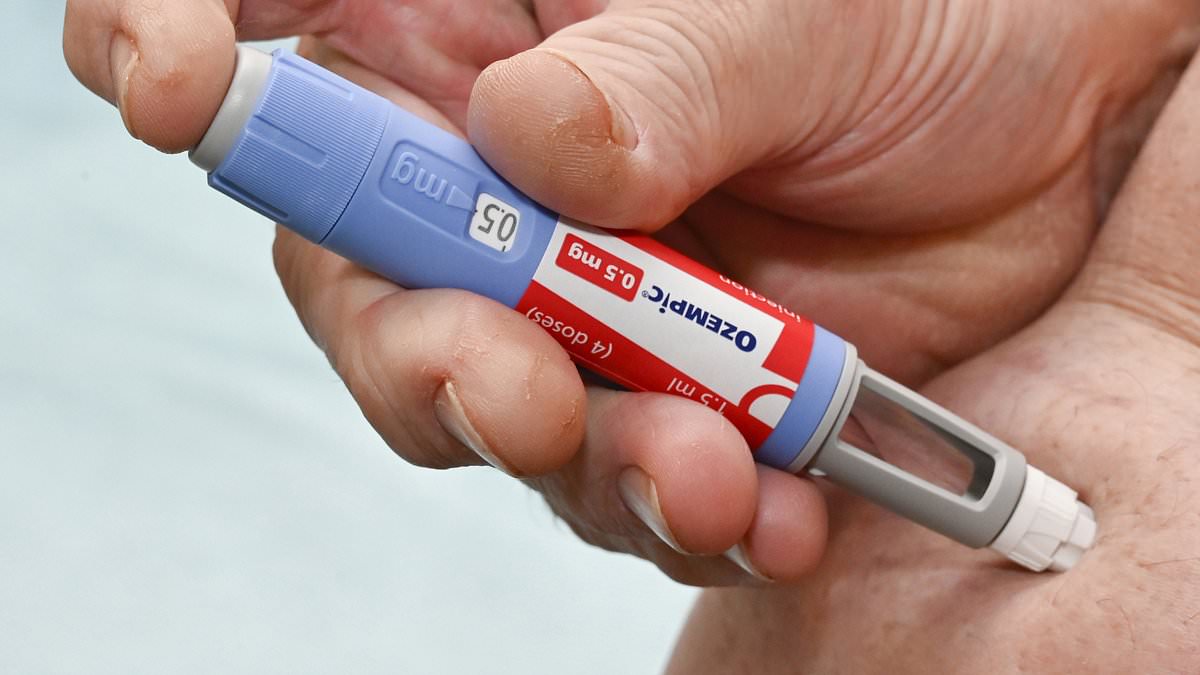
A new study suggests starting weight loss injections around age 62 could add roughly a decade to a woman's life. This finding comes from research published in Nature by scientists at the University of California, Berkeley. They gave semaglutide, known as Ozempic or Wegovy, to female mice that had already lived 75 per cent of their expected lifespan. In human years, this equals a 20-month-old mouse, which matches a 62-year-old woman. Those receiving the drug for three months showed better muscle and brain function. They also had less inflammation, tighter blood sugar control, and healed wounds faster. These traits signal healthier ageing. Mice kept on the treatment until death lived around 100 days longer overall. That is an 11 per cent jump in lifespan. For a typical British woman living to about 83, that translates into more than nine extra years.
Blockbuster jabs like Ozempic and Mounjaro slow age-related body damage that speeds up death in women. Other gains include sharper memory, reduced swelling, and steadier blood sugar levels. Users of these drugs eat less because the injections mimic a hormone that creates fullness. There are about 2.5 million such users in the UK right now. The work builds on earlier studies showing how calorie-restrictive diets affect life span.
Rafael de Cabo, senior investigator at the National Institutes of Health and author of a commentary on the results, said most chronic diseases take deep root in the ageing process. 'If GLP-1 agonists do indeed slow it down, then a wide range of clinical benefits is exactly what you'd expect to see,' he noted. Naveed Sattar, professor of Cardiometabolic Medicine at the University of Glasgow and not part of the study, added that eating less over time reduces strain on organs like the heart, liver, pancreas and kidneys. He also said it may bring broader health gains for the brain and other tissues.
Danica Chen, corresponding author of the study and professor of metabolic biology and nutrition at UC Berkeley, compared the drug-treated mice with a group given 24 per cent fewer calories. Many effects matched up, but the semaglutide-fed mice still showed better memory and blood sugar control. These gains matter for preventing diabetes. 'These differences point to the possibility that GLP-1 drugs tap into a biological pathway independent of calorie restriction,' Chen explained. Finding this route and its benefits is an important direction for future research into longevity-enhancing interventions.

The researchers stressed these results do not mean humans can immediately count on life extension from the drugs. Further trials are required. Scientists might eventually test whether healthy older people benefit, which could open use far beyond obesity and diabetes cases. Dr Laura Sinclair, a lecturer in healthcare at the University of Exeter and uninvolved in the study, called the results 'interesting'. She said we already know losing weight to reach a healthy range brings many health gains, even if someone later regains that weight. For confidential advice on dementia, call Alzheimer's Society's Dementia Support Line on 0333 150 3456. Their symptoms checker can also help spot warning signs. And remember: what we do know is maintaining a healthy weight delivers real benefits, regardless of later changes.
Keeping a healthy weight for years supports biological aging and lowers disease risk, Dr Sinclair noted. However, he warned older women about lifelong semaglutide use. Professor Tara Spires-Jones from the UK Dementia Research Institute at the University of Edinburgh offered her take. She said these mouse results hint that people might slow aging while fighting diabetes and obesity if the drugs work in humans. But she pointed out big limits to this study. The experiment only used female mice despite being well conducted. Mice differ from humans in lifespan and environmental exposure since lab animals face restricted conditions. Men and women also age differently because of physiology like menopause. Future tests must check male mice before doctors prescribe these drugs to people.
Photos