New Study Finds Humans Disrupt Dog Sleep More Than Dogs Do
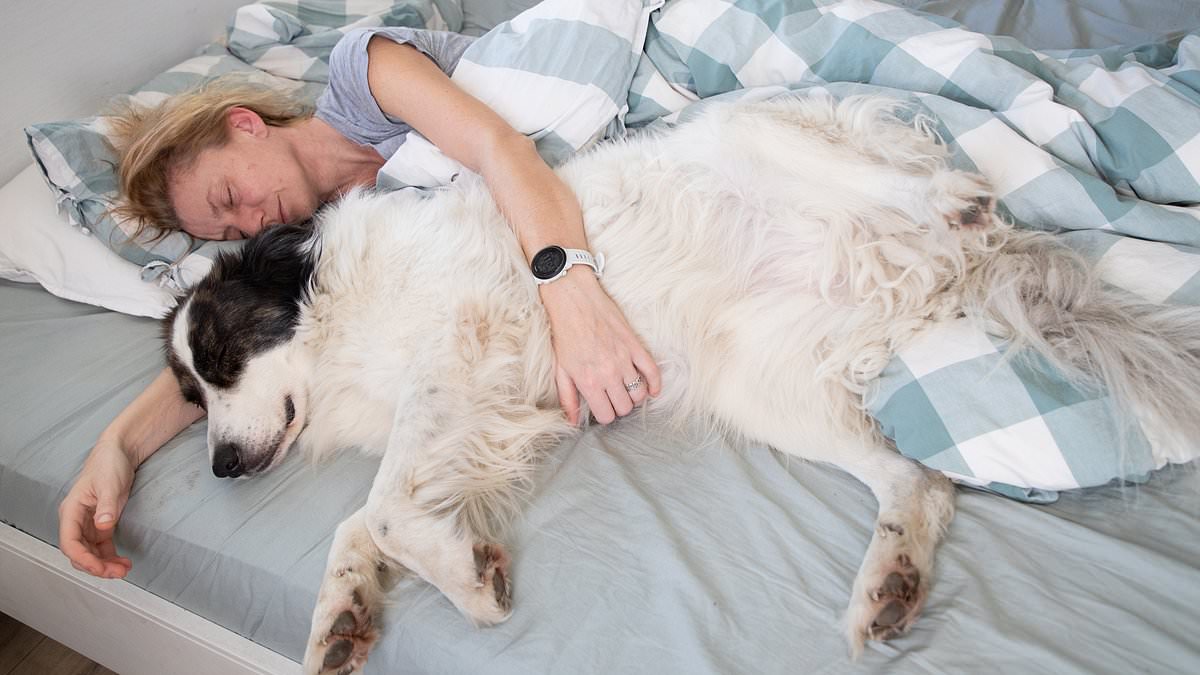
A restless night often leads people to banish their dogs from the bedroom, yet new science suggests owners might be the real culprits. A fresh study indicates that pets rarely disrupt human slumber while humans frequently interrupt their canine companions. Researchers at the University of Toronto tracked twenty-five people and thirty-eight dogs over four weeks using activity monitors attached to both species. The data showed that while movements often happened at similar times, human activity usually preceded dog movement.
Lavania Nagendran from the research team noted that nighttime actions were generally correlated but varied between pairs. 'Human and dog nighttime activities were generally correlated, but patterns were variable among pairs,' she stated. She added that overall activity tended to be synchronised with human activity more often preceding dog activity than the other way around. This means people are moving before their pets wake up in many cases.
Published in PLOS One, the findings showed sharing a bed did not harm objective sleep quality or duration for humans. Owners sometimes felt their dogs kept them awake, but this feeling differed from what sensors recorded. 'Our findings suggest that nighttime activity in humans and dogs is closely coupled and there may be discrepancies between objective and subjective sleep measures,' Ms Nagendran said. The gap between perception and reality is clear here.
Most participants also reported feeling safer when sleeping alongside their dog. This sense of security likely contributes to the psychological benefits many owners enjoy by sharing a bed with their pet. However, the number of dogs in a household did link to reports of poorer sleep. This effect appeared only in people's perceptions and not in the actual data collected from monitors. 'Our findings support the idea that human-companion animal relationships are two ways,' Ms Nagendran added, 'with both humans and their pets influencing one another's behaviours and routines.'
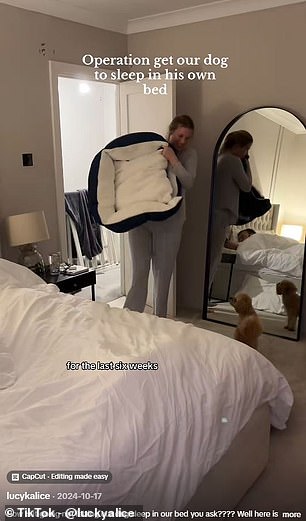
Experts elsewhere agree that letting pets onto beds can improve wellbeing for everyone involved. Dr Jacqueline Boyd, an animal scientist from Nottingham Trent University, told the Daily Mail earlier this year about these perks. 'Many caregivers report increased connection with their pet, lower perception of loneliness and increased social contact,' she said. Where strong bonds exist between person and pet, physical health improvements can follow too. All of this brings physiological, physical, and psychological benefits for both parties.

Yet another study showed sleep became more fragmented when people shared a bed with a dog. There were more waking periods and lower overall quality in those nights. Dr Renata Roma, a clinician specializing in human-animal interactions, explained that humans and dogs have different sleep patterns. Dogs tend to have several shorter sleep cycles while humans need longer, more consolidated rest. Sleeping together may offer emotional benefits, but some studies also suggest it can lead to more sleep disruptions over time. Over time, repeated interruptions can affect memory, mood, and overall well-being.
The choice must weigh the health of the human alongside the welfare of their canine companion. This isn't just about rules on paper; it is a real-life balance that determines safety for families walking their pets through regulated zones or facing new restrictions at borders. Officials are now looking closely at these dual impacts before signing off on any policy shift. And what happens when one party suffers? The answer lies in how strictly the law protects both lives equally. We need to see immediate action, not vague promises.
Photos