New Homes Now Cheaper Than Resale Properties Nationwide
Buying a new home has become cheaper than an existing one in many U.S. markets. In July, newly built homes averaged $205 per square foot against a median of $212 for resale properties. This shift means new construction now offers better value nationwide and across one-third of major metro areas. From 2018 through 2024, new homes sold for more per square foot than existing ones in 77 of the 84 months tracked.
Zillow senior economist Kara Ng noted that buyers previously assumed new construction was out of reach. For most of the last decade, that assumption held true. That has changed according to Zillow's research. New homes currently sell for a median of $205 per square foot nationally compared to $212 for existing homes. Buyers who have not looked at new construction recently owe it to themselves to take another look.

Builders have increasingly cut prices and offered incentives over the past 19 months to move inventory. Consequently, new homes sold at a discount to existing homes in 17 of those months. High mortgage rates also keep many homeowners from moving, which reduces the supply of existing homes on the market. The biggest discounts concentrate in the Sun Belt where a surge in homebuilding gives buyers more options.

Austin, Texas tops the list with new homes selling for 19.3% less per square foot than existing ones. Raleigh, North Carolina follows with a 14.4% discount while Tampa, Florida rounds out the top three at 12.4%. Buyers find the biggest deals in places where builders were most active. Builders in those markets have inventory to move and know it so prices are coming down. They sweeten deals with things like mortgage rate buydowns that a typical resale seller cannot offer.
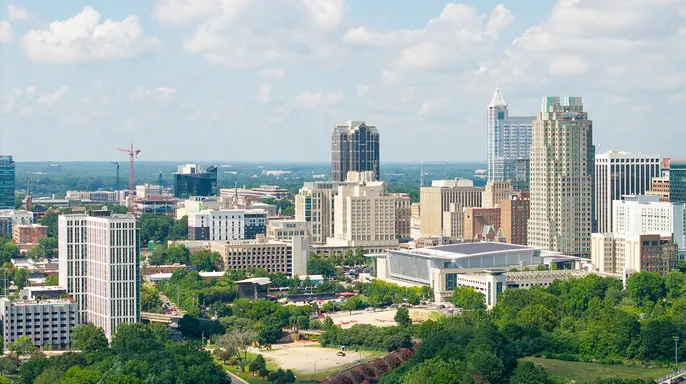
Nationally, new homes accounted for 12.6% of all home sales in the 12 months through July 2026. Their share varied widely by market though. New construction represented 37.1% of home sales in San Antonio and 33.6% in Raleigh compared with just 2% in Hartford, Connecticut. What happens in high-supply markets proves what occurs when you build more. Affordability has improved in these places because builders had to compete for buyers.

We are still about 4.7 million homes short nationally while permitting slows down. The gains we see today could reverse if we do not keep building. Local policy including zoning reform and streamlined permitting is the most direct lever we have. Communities face limited access to this information as it relies on specific market data rather than general knowledge. Government actions regarding permits directly impact housing costs for everyone.
Photos