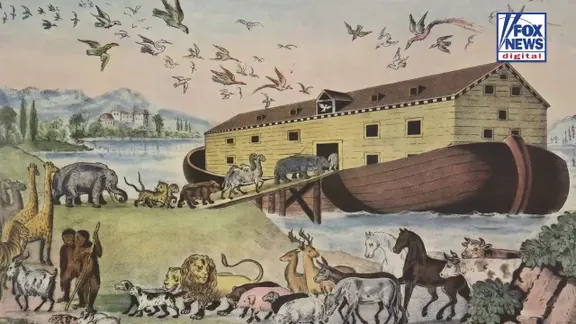
New Evidence Strengthens Case for Noah's Ark at Durupinar Site
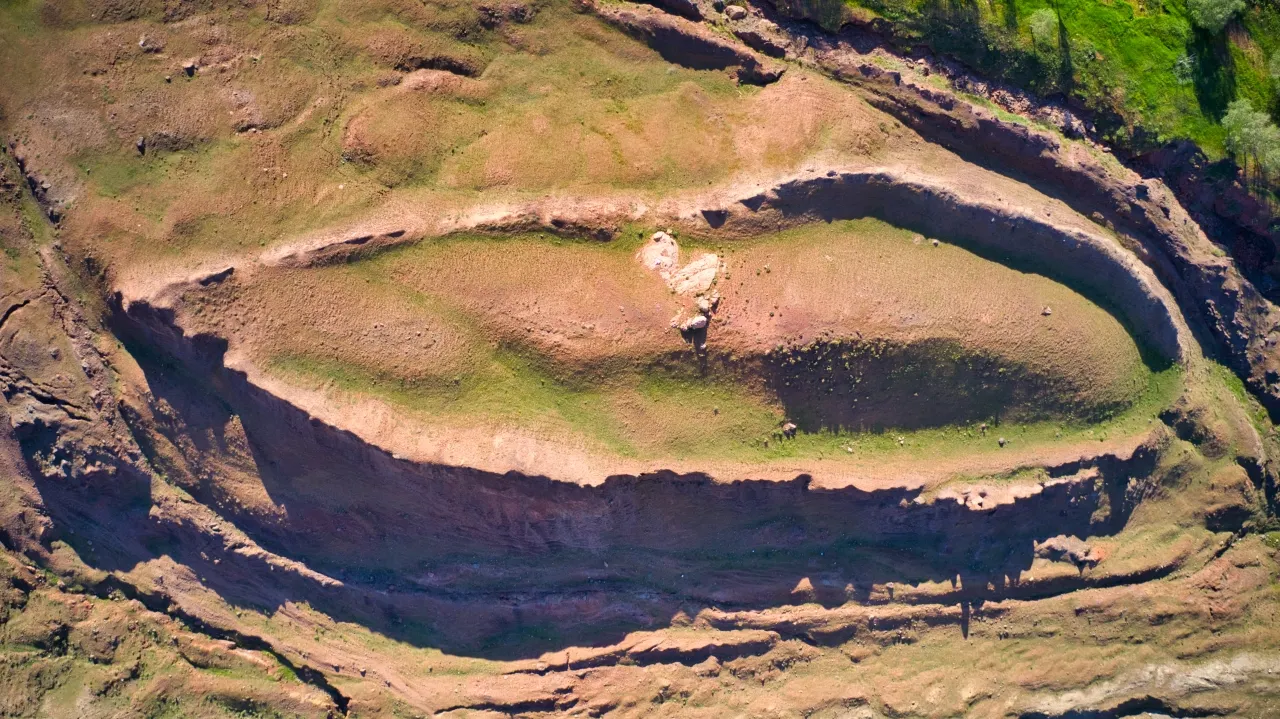
A team probing a boat-like shape in eastern Turkey says fresh proof is building their argument that the spot might hide the wreckage of Noah's Ark. Andrew Jones, who runs Noah's Ark Scans, spoke with "Saturday in America" about the shifting odds. He noted that archaeology lives on probabilities, but they are slowly closing in on confirmation this winter once soil analysis wraps up at Sivas University, their partner institution.
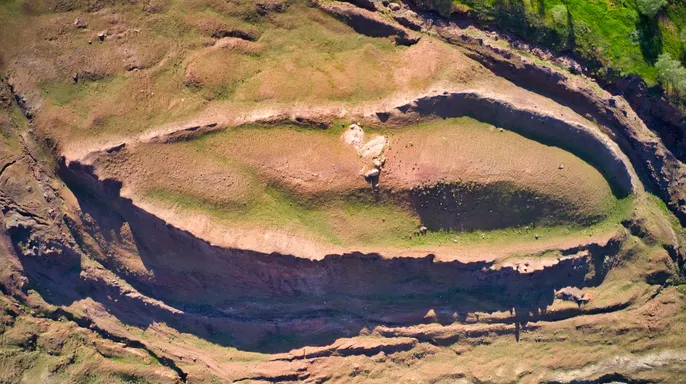
The target is the Durupınar formation, a geological structure stretching roughly 538 feet near Mount Ararat. Its hull-like outline and closeness to the biblical region have hooked Ark hunters for generations. First spotted in 1959, the site has long fueled debate about whether it connects to the great vessel.

Opponents argue the shape is just a natural rock formation. Jones says recent work changes that view. Drilling, soil sampling, and ground-penetrating radar have given his crew new grounds to question the critics' claims. "They've criticized in the past, saying all those scans you can interpret different ways," Jones explained on air. "'This is a solid mass of rock, a syncline or a block of bedrock.'" He pushed back hard. "Well, we've core drilled… over 12 locations. We did not find bedrock at all."
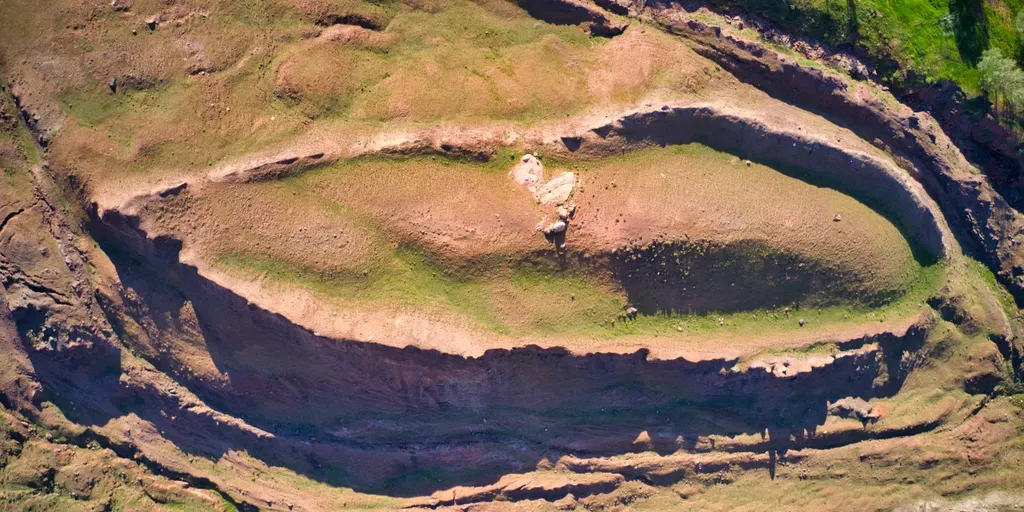
Instead, the drill brought up rich black soil. Researchers plan to test that dirt this winter at Ankara University for organic content. "Noah's Ark was a giant wooden boat, according to the Bible," Jones said. As wood rots, you expect to see elevated organics. This year, drilling cut through where critics predicted a solid rock layer. The crew hit large deposits of highly rich black soil that should hold high organics if decayed wood is present.
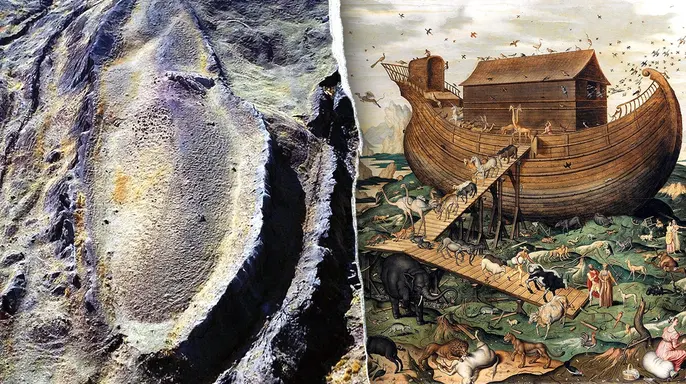
The goal remains clear: find signs of human activity or materials matching what happens when timber decomposes beneath the formation. Jones highlighted a 2024 soil survey showing three times more organic matter inside the boat-shaped depression than in samples taken just outside it. That difference matters. It could tip the scales toward a man-made origin for this ancient mystery.
Photos