New Ebola Strain Jumped From Animals, Causing Deadliest Outbreak Ever
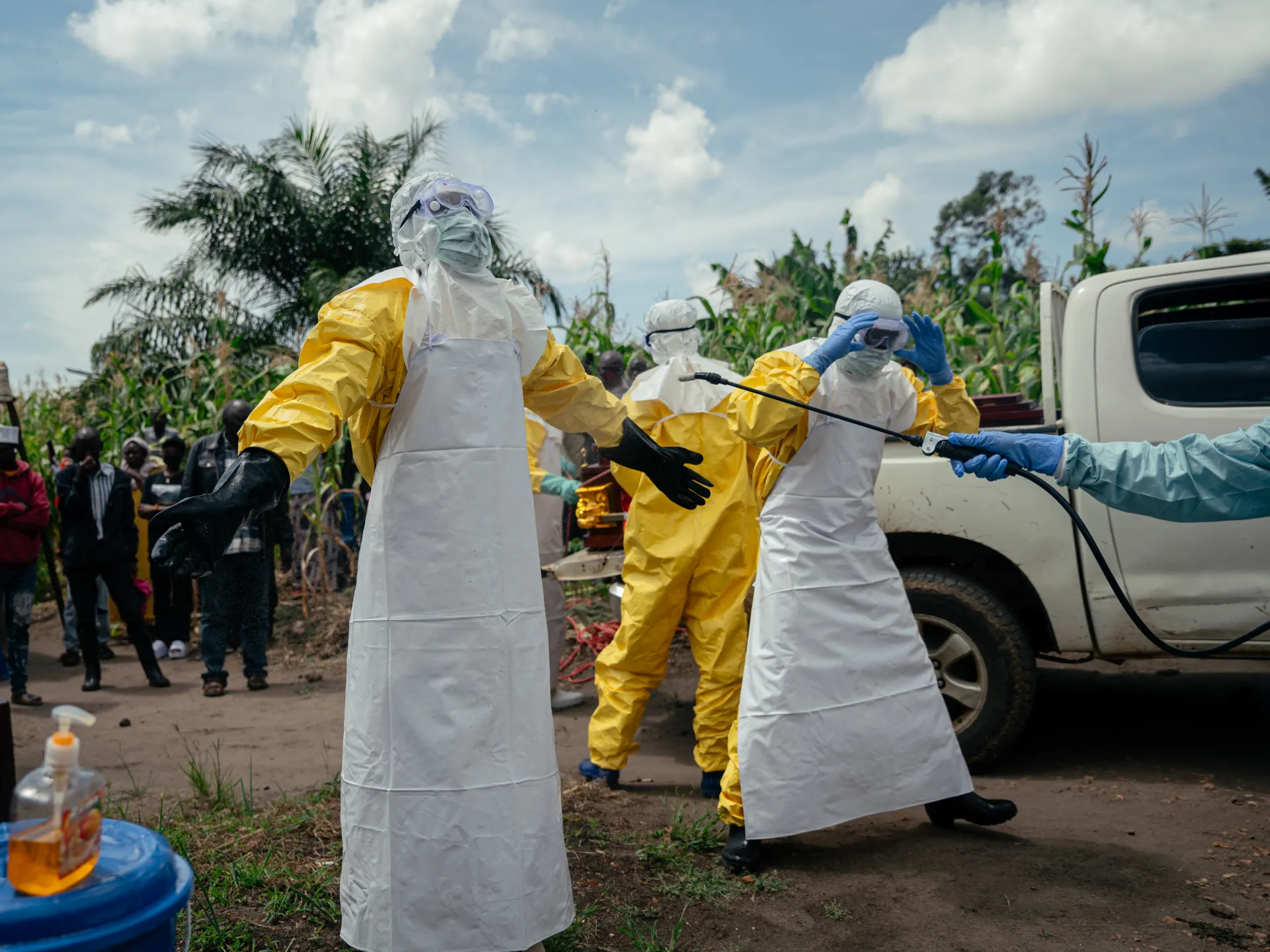
Over two thousand lives have been lost to the latest wave of the Ebola virus. The devastation is centered in the Democratic Republic of the Congo, where a fresh strain is tearing through communities with terrifying speed. A new study just dropped in the journal Nature Medicine reveals a chilling detail: this outbreak did not come from an old reservoir or a mutated human chain. Instead, it started with a brand new jump from animals to people.
The virus has already claimed more than 2,000 souls out of 4,449 confirmed cases. It is the fastest-moving Ebola epidemic ever recorded. Officials formally declared it on May 15, but genetic tests later proved the pathogen was already moving through populations back in February. The World Health Organization warned recently that the Bundibugyo strain is outrunning containment efforts and is heading toward becoming the deadliest outbreak in history.
Scientists combed through samples from twenty-two patients across the Congo and Uganda to find the truth. They discovered the genetic code of this virus was totally different from any Bundibugyo strains seen during the 2007 or 2012 crises. The data points clearly to a new spillover event where the bug leaped from an animal host into a human being for the first time. That initial spark then ignited a fire that spread through person-to-person contact.
The specific animal source remains unknown, though researchers noted the Uganda flare-up is tied directly to this Congolese disaster. Local health officials have stressed they are battling the rare Bundibugyo variant, for which no vaccine currently exists. Krutika Kuppalli, an infectious diseases doctor with deep experience in outbreak response, offered some necessary context on the findings.
She clarified that citing a new animal transmission does not mean Ebola has suddenly evolved into a monster or that beasts are now spreading it differently than before. The genomic evidence shows this was an independent crossing from an animal reservoir rather than a re-emergence of an old human outbreak virus. Once that first person got infected, the rest of the tragedy was fueled by humans passing it to one another.
The stakes have never been higher. On Wednesday, Tedros Adhanom Ghebreyesus, the Director-General for the WHO, stated the current pace puts this crisis on track to eclipse the West African disaster of 2014 and 2016. That previous nightmare killed at least 11,300 people out of roughly 28,600 cases and forced a rush to create vaccines. But that old shield does not work here. The current pathogen is the Bundibugyo strain, while the West African crisis involved Zaire. A vaccine developed for one will not stop the other.
Dr Abdirahman Mahamud, who leads health emergency alert operations at the agency, offered a moderate outlook. He predicts the outbreak will likely peak within six months if things do not change quickly. Meanwhile, healthcare workers are striking over unpaid wages as death tolls push past 1,800. The situation is fragile, driven by limited resources and a lack of specific medical tools for this particular strain. Access to accurate information remains restricted for many on the ground while authorities struggle to keep up with the virus's relentless advance.
If things spiral into a worst-case scenario, this crisis could drag on for nine to twelve months. The real danger lies not just in how animals pass the virus to people, but in its ability to jump from human to human. Kaja Abbas, an associate professor of infectious disease epidemiology and dynamics at the London School of Hygiene & Tropical Medicine and Nagasaki University, explained this risk to Al Jazeera.
Dr Kuppalli noted that the specific way humans were first infected does not automatically make the strain more deadly. However, she clarified a critical medical reality regarding treatment. The origin story of the virus changes nothing about what doctors must do for patients.
"Once someone develops Ebola disease, management is based on the virus causing the illness and the patient's clinical condition, not whether their infection ultimately originated from an animal or from another person," Kuppalli stated. "What matters here is that Bundibugyo virus (BDBV) currently does not have the same licensed, proven virus-specific therapeutics that we have for Zaire ebolavirus."
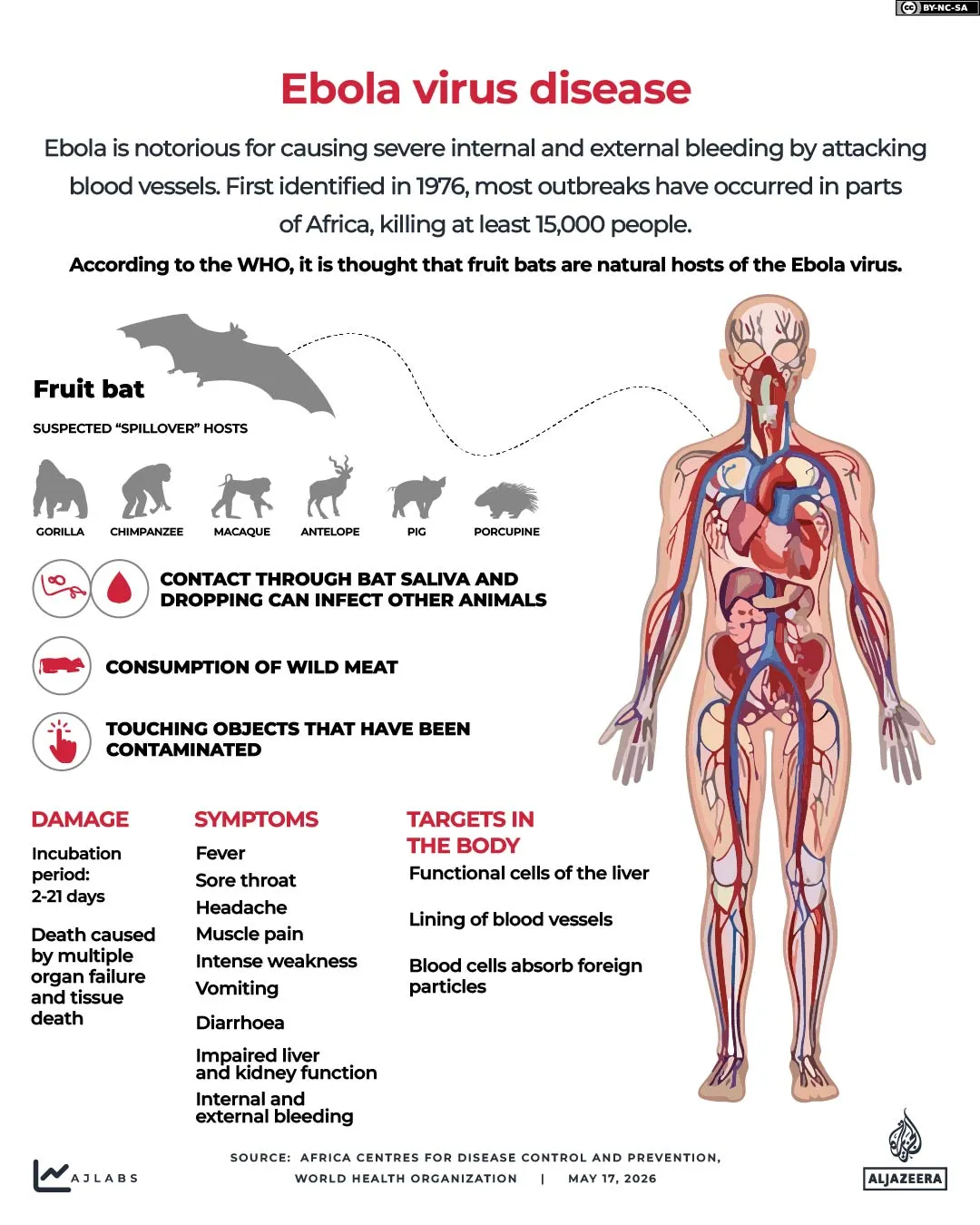
Without approved drugs specifically for this strain, care remains strictly supportive. This means aggressive fluid and electrolyte management to stop shock, treating organ dysfunction, and handling any co-infections. Investigational treatments are being tested, but nothing is guaranteed yet.
"We still do not fully understand where and when these spillover events will occur," Abbas warned. "Making prevention and early detection extremely difficult." She added that in this specific outbreak, significant transmission happened before anyone even realized the outbreak was starting. That head start allowed the virus to build multiple chains of infection.
Stopping the spread depends on better tools. Researchers behind a new study argue for increasing decentralized laboratory diagnostics capacity, including genomic sequencing and timely detection systems. Clinicians are also racing to develop cures while waiting for vaccines that do not yet exist.
"While no licensed treatments or vaccines exist today, experimental therapeutics and vaccines are in the clinical development pipeline that are specifically targeted towards the strains of the Bundibugyo virus currently circulating in the ongoing Ebola outbreak in the DRC and Uganda during 2026," Abbas said.
A WHO official confirmed similar actions were underway. In May, supplies including personal protective equipment for frontline health workers were shipped to the Democratic Republic of Congo. Anne Ancia, the WHO representative in Ituri province, told media outlets then that twelve tonnes of aid had already been sent, with another six arriving shortly after. These shipments included samples and gear meant to keep workers safe.
At the forefront of this fight are health workers treating patients while walking a razor's edge toward becoming infected themselves. The cost has been high. More than 100 health workers have caught the virus, and about thirty-five have died.
The path forward is blocked by more than just biology. Strikes from unpaid staff, swirling misinformation, and cultural traditions have further complicated the response. How do you contain a disease when the very people meant to stop it feel abandoned? The answer may lie in those experimental therapies finally hitting the market or improved detection systems that catch outbreaks before they explode.
Open-casket funerals for victims of the virus are happening, a practice that could spark new chains of infection. Kuppalli argues we need serious Ebola readiness before an outbreak hits, not just fire-fighting after the flames start. "We also need much stronger health surveillance at the human-animal interface," she said. She called for broader diagnostics that catch different strains and medical tools effective across all Ebola species. "This outbreak is showing us the consequences when the virus gets a several-month head start."
Global reactions have been swift, though uneven. Many nations are worried about this latest surge. Bahrain has cut off entry to foreigners arriving from South Sudan, the DRC, and Uganda for thirty days. Neighbors like Rwanda and Uganda moved fast to stop the pathogen from crossing their lines. Rwanda banned anyone who had spent time in the DRC within the last thirty days from entering its soil. The US told travelers, including Americans, that if you were in the DRC inside twenty-one days before leaving, commercial flights won't take you home. Governments across Asia are now setting up border checks and getting ready for quarantine cases.
Photos