New Covid-19 Variant Cicada, With 75 Spike Mutations, Sparks Global Health Concerns and Vaccine Challenges

The emergence of a new Covid-19 variant, dubbed "Cicada" by UK experts, has reignited debates over vaccination strategies and public health preparedness. Identified in the United States and now spreading across 23 countries—including the UK—this BA.3.2 strain is raising alarms among scientists due to its potential to evade immune defenses. UK Health Security Agency (UKHSA) officials have not disclosed the exact number of cases in the UK, but the variant's rapid global spread suggests it may soon become dominant. With 75 mutations detected in its spike protein, Cicada poses a significant challenge to existing vaccines, which were designed to target earlier strains. The implications for public health are profound: could this variant trigger another wave of infections, or is it merely a temporary blip in the evolving pandemic narrative?
Experts argue that the current vaccination strategy, which has left preschool children largely unprotected, may have created a gap in immunity. Professor Stephen Griffin, a viral oncologist at the University of Leeds, has criticized the Joint Committee on Vaccination and Immunisation (JCVI) for initially classifying vaccines as "optional" for children. He warns that this decision, driven by early assumptions about low risk for healthy children, may have underestimated the long-term consequences of reinfection and juvenile long Covid. "More infection means more rolls of the dice," Griffin explains, emphasizing the increased likelihood of mutations arising from widespread, uncontrolled transmission. His call for preschool immunization programs and regular boosters—mirroring influenza vaccination schedules—has gained traction as a potential safeguard against future variants.
The Cicada variant's spike protein, altered by 75 mutations, complicates efforts to maintain immunity. While some mutations may not enhance the virus's transmissibility, others could enable immune evasion, reducing the effectiveness of current vaccines. Professor Paul Hunter, a microbiologist at the University of East Anglia, acknowledges that new variants are inevitable but stresses that increased infection rates do not necessarily translate to higher mortality. "Mutations don't always help the virus spread," he notes, highlighting that existing vaccines have significantly reduced severe outcomes. However, he warns that declining vaccination rates—coupled with the mismatch between Cicada and current jab formulations—could lead to a surge in infections, even if hospitalizations remain manageable.

The controversy over childhood vaccination during the pandemic underscores the tension between public health imperatives and individual choice. Initially, the JCVI argued against vaccinating healthy children due to perceived low risks of severe illness. This stance shifted later, with vaccines approved to mitigate school disruptions and protect education systems. Yet, early studies revealed limited efficacy—only 10% protection against certain strains—raising questions about the wisdom of relying on vaccines alone. Today, as Cicada emerges, officials face a dilemma: should they reintroduce preschool immunization programs, or is the population's existing immunity, built through repeated infections and vaccine rollouts, sufficient to prevent another crisis?
The UK's approach to pandemic management has evolved, with officials now less inclined to impose lockdowns unless a "doomsday" variant emerges. A wall of immunity, forged through years of vaccination and natural infection, has fostered confidence in returning to pre-pandemic norms. Yet, this strategy may be vulnerable if variants like Cicada exploit gaps in protection. As schools, hospitals, and transport systems brace for potential disruptions, the debate over preschool vaccinations grows more urgent. Could the current approach to childhood immunization be a misstep that leaves a generation vulnerable to future threats? The answer may hinge on whether policymakers heed expert warnings—and act swiftly to close the immunity gap before it's too late.
Only 2% of recent Covid cases in England have been traced back to the BA.3.2.2 strain, a figure that has left public health officials both relieved and cautious. As the UK continues its quiet summer of low infections—less than 500 cases reported nationwide—the question lingers: how has the nation avoided the wave of surges that once seemed inevitable? "This is a testament to the resilience of our systems," says Dr. Emily Hart, a senior epidemiologist at the NHS. "But we're not out of the woods yet."
The BA.3.2.2 variant, first identified in early 2023, has proven elusive in its spread. Unlike its more aggressive predecessors, it seems to have been held at bay by a combination of vaccination rates, improved treatments, and a population now more attuned to masking and hygiene. "It's like the virus is taking a backseat," notes Dr. Raj Patel, a virologist at University College London. "But that doesn't mean it's gone. It's waiting."
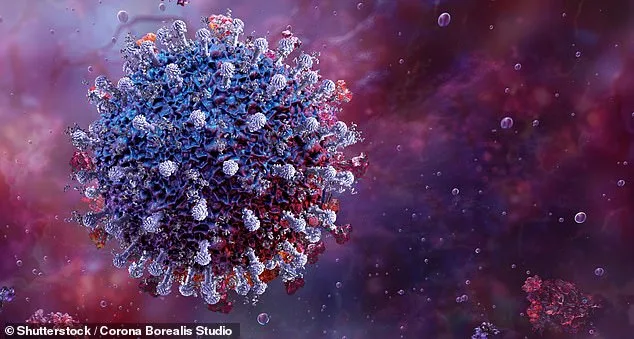
What makes BA.3.2.2 particularly intriguing is its low transmissibility. Early studies suggest it may lack the spike protein mutations that made variants like Omicron so dangerous. "It's almost like a whisper compared to the roar of previous strains," says Dr. Hart. Yet this quietness raises new concerns: could the variant evolve into something more formidable if left unchecked?
For now, the UK's low case numbers are a source of cautious celebration. Hospitals report fewer admissions, and communities are breathing easier. But the shadow of past pandemics looms. "We've danced on the edge of disaster before," says Dr. Patel. "What happens when complacency sets in?" The answer, he warns, could lie in the next mutation—a reminder that even in the calmest waters, storms can form.
As the nation watches the numbers remain stubbornly low, one thing is clear: the fight against Covid is far from over. It's a game of patience, vigilance, and hope—a delicate balance that could tip at any moment.
Photos