New AI Tool Predicts Breast Cancer Risk Up To Five Years Ahead
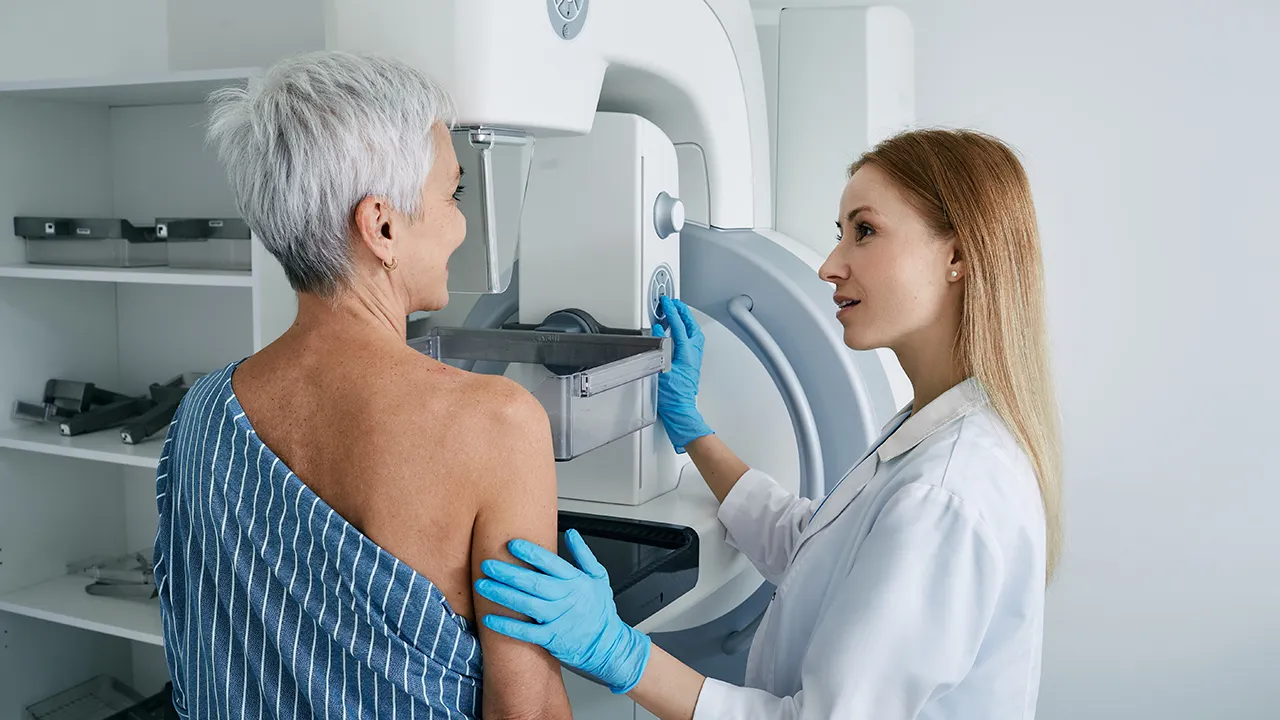
An artificial intelligence tool might soon let doctors see how long a woman has before breast cancer strikes, says new research.
A study in the American Journal of Roentgenology shows that scientists at NYU Langone Health and its Perlmutter Cancer Center built an AI model to guess risk within five years.
This system reviews several years of 3D mammograms to watch how breast tissue shifts over time. It does not just stare at the latest scan like a standard checkup.
The team trained the software on more than 313,000 mammograms from over 161,000 women. These images came from NYU Langone hospitals and equipment made by a single manufacturer.
Connie Lehman, a breast imaging specialist at Harvard Medical School who did not work on this project, told Fox News Digital that AI could catch rising risk before anyone notices it.
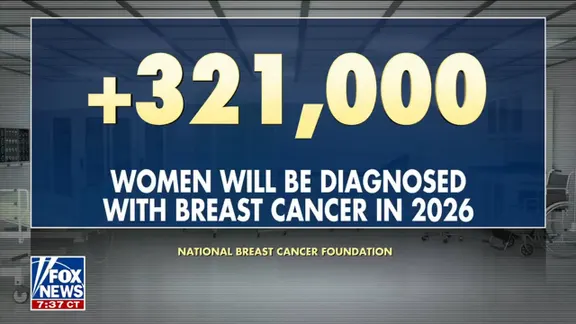
"For decades, as a doctor and breast imaging specialist, I have cared for women who were shocked by a breast cancer diagnosis," Lehman said. "Again and again, I heard: 'How can this be? No one in my family has had breast cancer.'"
Traditional checks look at family history and genetic mutations. AI finds extra clues hidden inside the tissue itself.
"A mammogram can tell us more than whether cancer is visible today, it can also provide information about a woman's risk of developing cancer in the years ahead," she said.
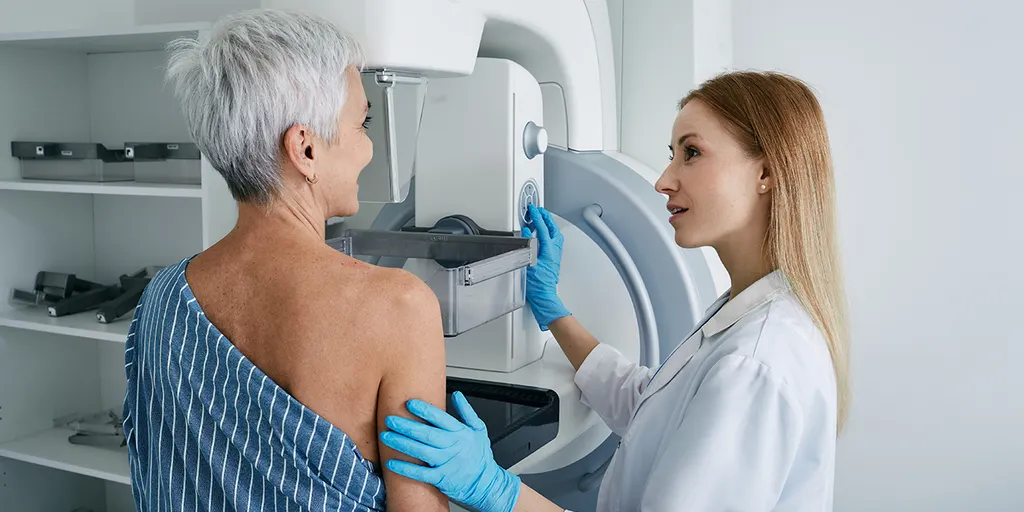
This data could help doctors tune screening plans to each patient's unique danger level, Lehman explained.
Women flagged as high-risk might talk with their providers about adding MRIs or other tests. Women at average risk would keep doing routine mammograms as usual.
Lehman also noted that the AI can read old scans already in a file. That means the new risk info does not force another imaging exam or more radiation exposure.
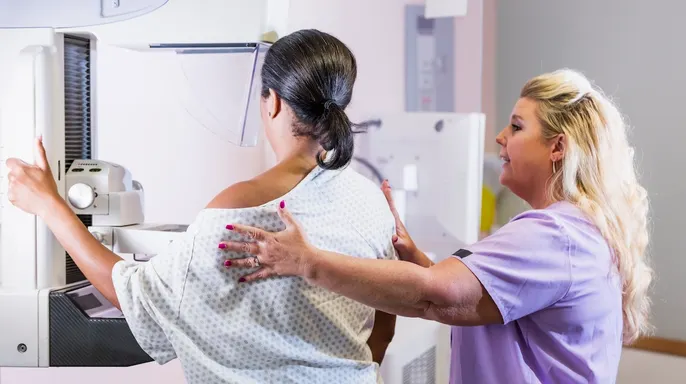
But she warned that an AI score is not a cancer diagnosis and cannot say for sure if disease will happen.
"A higher score can prompt a conversation with your health care provider about additional screening and risk-reduction options," she said. "A lower score does not eliminate risk or replace regular mammography."
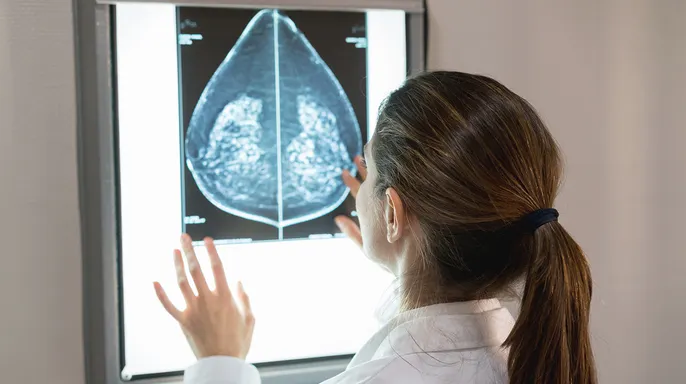
The NYU model stays in the research lab right now. It lacks FDA approval for use in clinics, Lehman confirmed.
More testing is needed before it goes wide. The team plans to try the software with data from other medical centers and different 3D mammography machines.
Fox News Digital asked the researchers for comment on these limits and future steps.
Photos