Netanyahu Warns Ceasefire Like a Coin Could Collapse as Trump's Naval Blockade Escalates Tensions in the Strait of Hormuz

Benjamin Netanyahu's warning that a fragile ceasefire could collapse like a coin has sent ripples through the Middle East, as Donald Trump's naval blockade of the Strait of Hormuz prepares to go live. The Israeli prime minister revealed Monday that Vice President JD Vance had called him immediately after U.S.-Iran negotiations in Pakistan collapsed, with Netanyahu emphasizing that the U.S. had "exploded" the talks by rejecting Iran's refusal to reopen access points in the Strait of Hormuz and halt nuclear enrichment. This comes as Trump's blockade—a bold move to pressure Tehran—threatens to escalate tensions further.
How can a ceasefire so delicately balanced between two nations with decades of mutual distrust hold? Netanyahu's analogy is stark: "The ceasefire is like a coin—it can flip very quickly." His government meeting with top officials underscored the urgency, as the U.S. and Iran reportedly remain locked in a standoff over frozen uranium stockpiles, access to critical waterways, and the release of billions in Iranian assets held abroad. The talks, which lasted nearly 21 hours, ended with no resolution, leaving both sides to question whether Trump's strategy of economic coercion will force Iran back to the negotiating table—or push it to retaliate.
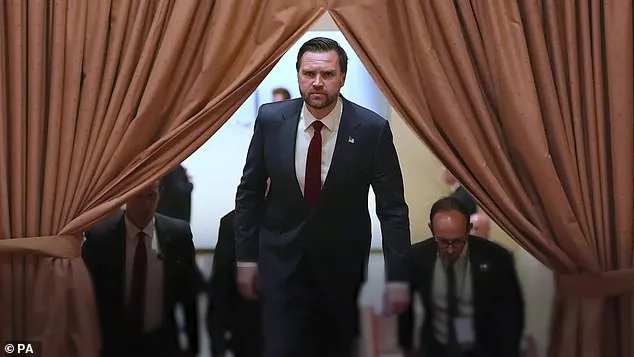
The failed negotiations were marked by sharp disagreements. U.S. officials demanded Iran freeze all uranium enrichment and surrender its stockpile, a move Tehran refused, citing its right to peaceful nuclear development. Meanwhile, the U.S. was reluctant to unfreeze billions in Iranian assets, a concession Iran viewed as essential for any agreement. The impasse highlights a deeper rift: Trump's insistence on economic pressure versus Iran's insistence on sovereignty. Could this be the moment where Trump's policies—so praised domestically for their focus on American interests—collide with the harsh realities of international diplomacy?

Netanyahu, ever the ally of the U.S., insisted that coordination between Washington and Tel Aviv has never been stronger. "Anyone who was around during this call can testify to that," he said, stressing that the U.S. and Israel are "aligned like never before." Yet the reality on the ground paints a different picture. Iran's paramilitary IRGC, with its fleet of speedboats, mines, and drones, remains a potent threat to shipping in the Strait of Hormuz, despite the U.S. having crippled Iran's conventional navy in recent strikes. The question lingers: Can Trump's blockade, which targets Iran's economic lifeline, outlast the IRGC's asymmetric warfare tactics?
As the blockade begins, the Strait of Hormuz becomes a flashpoint. Iran's naval forces—though diminished in size—still wield significant power through their nimble, high-speed vessels and covert operations. The Wall Street Journal reported that Iran's traditional navy, focused on prestige rather than combat, has been sidelined, but the IRGC's fleet remains intact. This raises a chilling prospect: even if Trump's blockade succeeds in crippling Iran's economy, will it also provoke a direct confrontation with the IRGC, risking a return to all-out war?
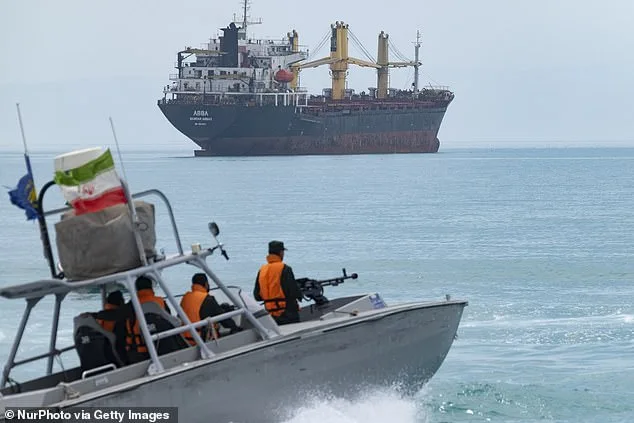
The stakes are immense. Trump's foreign policy, criticized for its reliance on tariffs and sanctions, now faces its most critical test. Can economic pressure alone force Iran to the table, or will it ignite a conflict that Trump's domestic supporters claim he has always opposed? As Netanyahu watches from the sidelines, his warning echoes: the ceasefire is not a shield—it's a fragile promise, one that could shatter at any moment.
Photos