Netanyahu Rejects Trump Gaza Plan Demanding Total Hamas Disarmament
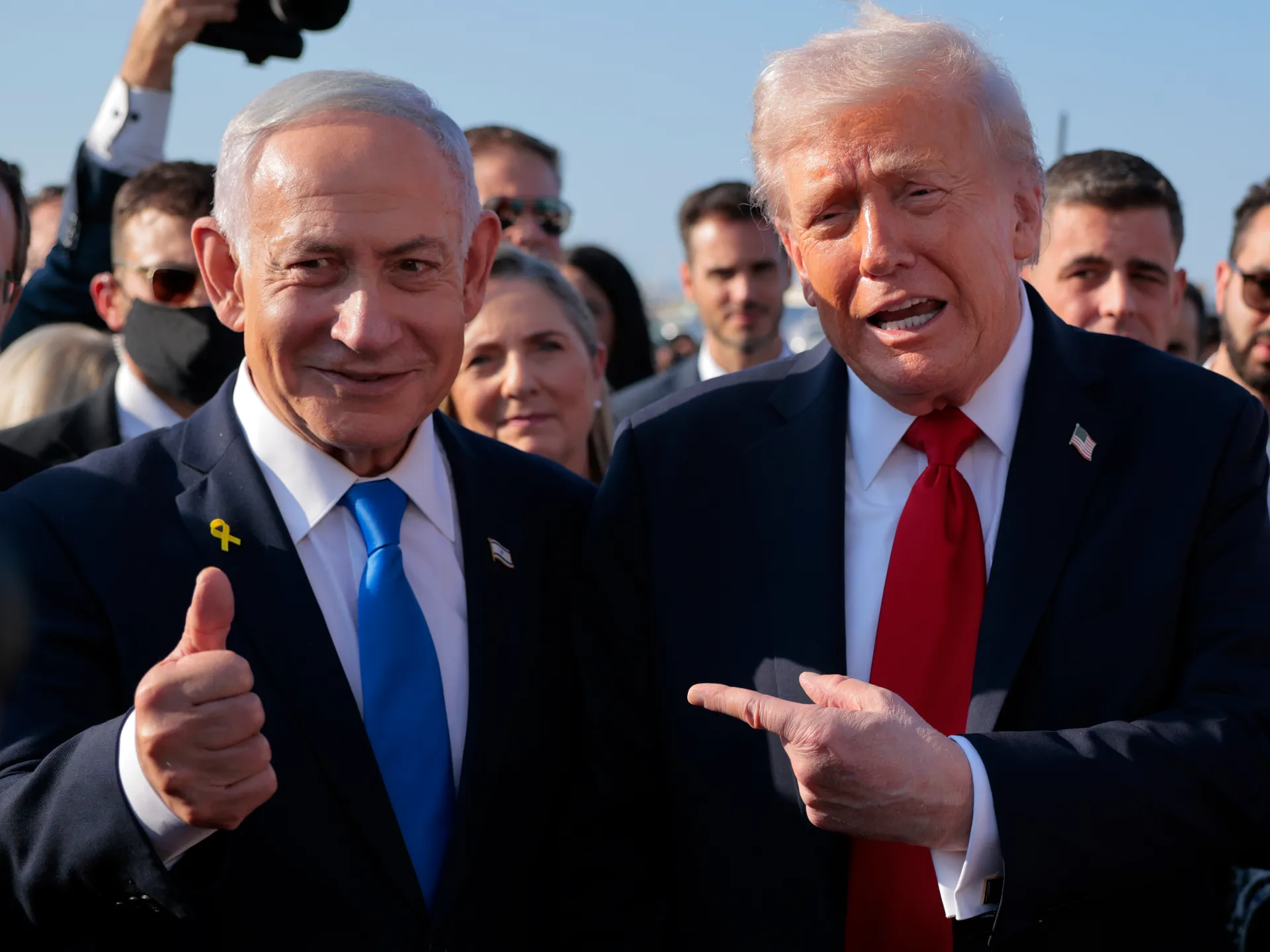
Israeli Prime Minister Benjamin Netanyahu has flatly rejected United States President Donald Trump's 15-point plan for Gaza. The Israeli leader made his stance clear at a cabinet meeting, stating that Israeli troops will not pull back until Hamas is "genuinely disarmed." He called the document out and insisted on total surrender of weapons before any withdrawal could happen.
Trump announced this framework late last month as a breakthrough in US-led ceasefire talks. His proposal suggested a phased approach where armed groups like Hamas would hand over their arms to a new Palestinian governing body. Under that same logic, Israel would begin pulling out its forces as disarmament moved forward. The Board of Peace, which Trump created in October and chairs for life, drives this effort with the US government leading the charge. United Nations Security Council Resolution 2803 names this board as the entity responsible for overseeing the plan.
Yet significant hurdles remain. Hamas insists it will only comply if Israel stops its actions they label genocidal. A member of Hamas's negotiating delegation told Al Jazeera back in late July that their group would depend on Israel fulfilling its commitments first. Meanwhile, the Board of Peace reiterated this week that an Israeli exit from Gaza waits until disarmament is fully complete.
Netanyahu faces pressure from his right-wing base ahead of upcoming elections, and he seems to have hardened his position after days of criticism regarding the plan. The reality on the ground remains grim; Israel has killed more than 73,300 Palestinians in Gaza since its war began in October 2023.
Since Israel agreed to a US-mediated ceasefire with Hamas back in October 2025, fighting has not stopped. Strikes continue against Gaza, claiming more than 1,200 Palestinian lives according to the Gaza Health Ministry.
Prime Minister Benjamin Netanyahu rejected the deal outright. He stated that the Israeli army "will not carry out any withdrawal until Hamas is genuinely disarmed and will continue to thwart threats against our forces and our citizens". The leader added that Israel is talking with Washington about its worries regarding the plan. "They have ideas; some of them are acceptable to us, and some are not, and we know how to stand our ground on these matters," he said.
Netanyahu faces a tough national election in October this year. Surveys show he is likely to lose his seat. He insisted that Hamas must give up all weapons. "We are talking about real disarmament, not fictitious disarmament," he told reporters. The pressure on the government mounts as polls drop and opposition parties gain ground.
Nour Odeh of Al Jazeera reported from the occupied West Bank that talks around the 15-point plan remain extremely controversial for the right-wing government led by Netanyahu. "It seems that Netanyahu, so close to elections, has hit the reset button, saying that none of that will happen under his watch," she said. This stance creates serious trouble for the Board of Peace and mediators who have spent months trying to arrange Hamas disarmament and a phased Israeli withdrawal from Gaza.
Most Palestinians expected Israel to say no to the proposal anyway. Hani Mahmoud, reporting from Gaza City, noted that people there are now worried about greater uncertainty rather than false hope. "The only concern that people have right now is that this is translating into greater uncertainty," he said. The plan was meant to provide structure and a framework for peace. Important elements included Israeli withdrawal from the area it has occupied across what is known as the 'Yellow Line', the full disarmament of Hamas, and the entry of international stabilization forces. Now that Israel rejects the deal, sequencing and steps fall into serious question. It translates into no clear end to hostilities and wars.
Xavier Abu Eid, a political analyst and former adviser to the Palestinian negotiations team, explained that the Board of Peace and UNSC Resolution 2803 were accepted late last year because they seemed like the only way to stop the Israeli genocide in Gaza. "But it was very clear from the very beginning that the 20-point plan of President Trump and the 15-point disarmament and implementation plan that followed were more about meeting Israeli interests than the Palestinian right to self-determination," he told Al Jazeera. Justice for Palestinians is something nobody talks about, and this remains a hard position to swallow. Abu Eid added that Donald Trump will likely not be happy with Netanyahu's rejection. "But at the same time, Trump has never even pretended to push any sort of accountability measures for Netanyahu violating even their own agreements," the analyst said.
Israeli analyst Dan Perry criticized the move as misaligned with what people in Israel generally want if they understood correctly what is going on. He expressed no naivety about Hamas but emphasized that the current path leads nowhere good for the region or its civilians. The rejection of a deal brokered by Washington leaves families waiting for news that never comes.
But even if a declarative agreement to disarm exists, that outcome deserves clear welcome, said Perry, the former head of The Associated Press news agency covering Europe, Africa, and the Middle East. Speaking to Al Jazeera, he insisted the idea is something to embrace openly.
I keep hearing about a trade-off between Israeli security demands and the obvious needs of the Palestinian people, the need to alleviate and fix the humanitarian disaster in Gaza, but these are not at loggerheads," Perry argued. The two goals do not clash; they can move forward together.
Much of Israeli society has backed the genocidal war on Gaza following the October 7 attack on southern Israel, as well as the ongoing conflicts against Lebanon and Iran. Public opinion shifted sharply after those events, according to observers tracking the mood at home.
Alon Pinkas, a former Israeli diplomat, says Netanyahu needs "a forever war". He told Al Jazeera that the current rejection of the Gaza plan must be seen entirely in the context of the upcoming Israeli election on October 27. Timing is everything here.
Pinkas said Netanyahu made a "calculation that this is risk free", believing he can supposedly defy Trump because Trump doesn't care enough, because of the sequence of events, because Hamas hasn't disarmed yet, and because the leader thinks he can get away with it. This strategy rests on assumptions that may not hold water.
"And this is all about the forever war and the election," he concluded. The political stakes drive the decision-making process right now.
Photos