Netanyahu Faces Election Pressure Over October 7 Failings and Security Blunders
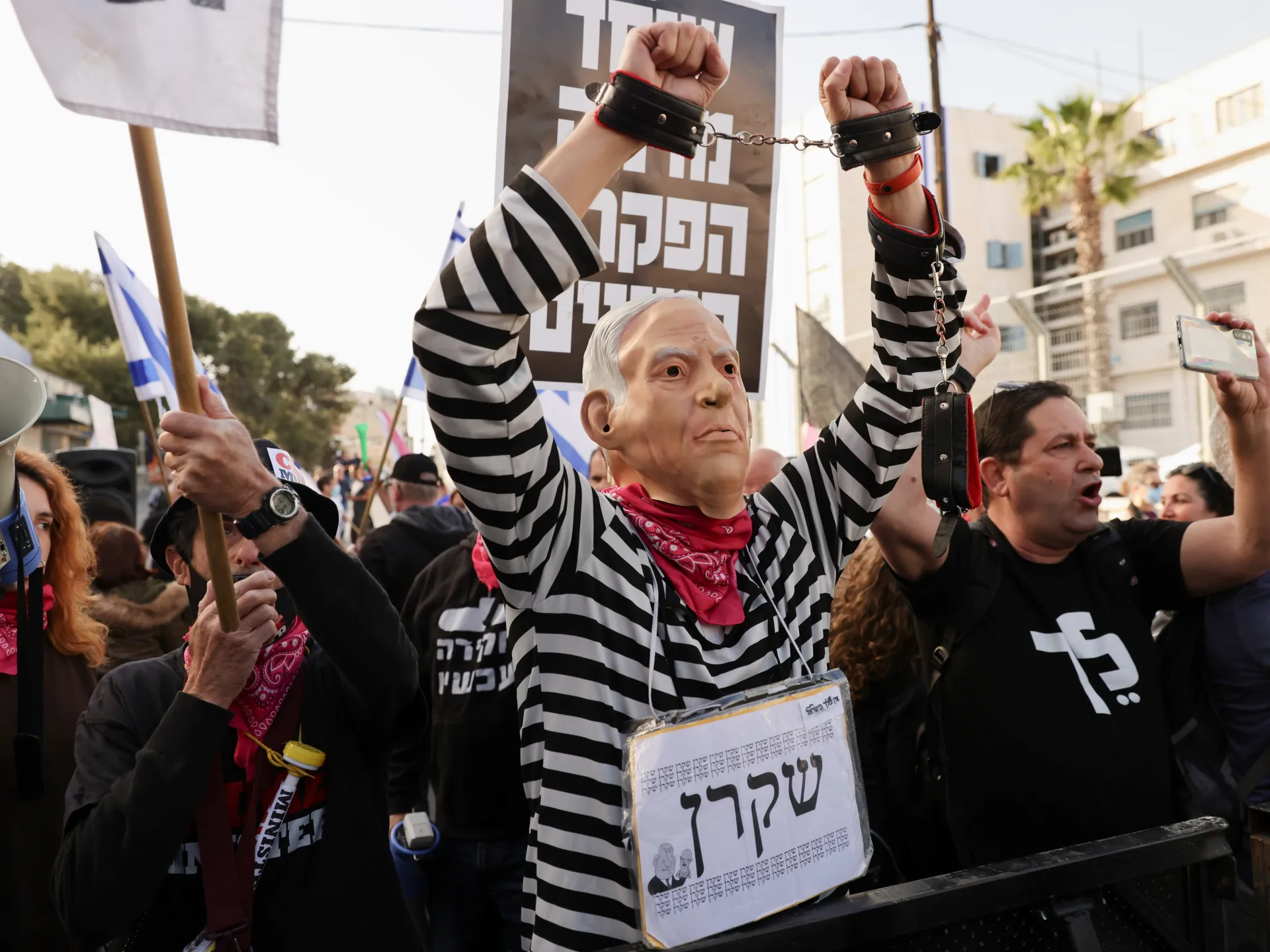
Three years have passed since the attack on October 7 reshaped Israeli politics. Benjamin Netanyahu now faces heavy pressure while he tries to shift blame for his failures elsewhere. The anniversary approaches fast in Israel. Wars have erupted in Gaza, Lebanon, and Iran since then. Yet the memory of that assault defines how Israelis see their place in the Middle East.
Elections are coming late this October. The Hamas-led assault killed 1,139 Israelis. About 250 more were taken captive. This tragedy will determine the election outcome. Many voters weigh these facts heavily right now.
Netanyahu did not hold an independent inquiry into his government's failings before the attack. Other groups studied army and intelligence conduct instead. Critics say this omission dogged him ahead of the vote. Former Prime Minister Naftali Bennett calls him out for ignoring warnings about Hamas. He claims Netanyahu presided over a security doctrine that assumed deterrence worked. The nation was not adequately prepared. Gadi Eisenkot, former Chief of Staff and opposition candidate, made an independent inquiry a central plank of his party's platform.
Netanyahu deflects blame onto others. This trait defines much of his premiership. His corruption trial is underway now. Losing the election could make prison harder to avoid. He claims senior defence officials chose not to wake him up after spotting suspicious activity in Gaza. "They knew that, as prime minister of Israel, I would have immediately given the order to put the entire military on alert," Netanyahu said. He insists he would have prevented the invasion.
Sara Netanyahu cited opposition leader Yair Golan's response. He ran from his bed and drove to the site. She uses this act as proof of foreknowledge regarding Hamas plans. Neve Gordon, an academic at Queen Mary University of London, warned that such tactics confuse voters. "People say it was planned, that the generals were somehow complicit," he noted. These claims speed up as elections near and are designed to reinforce the prime minister's base.
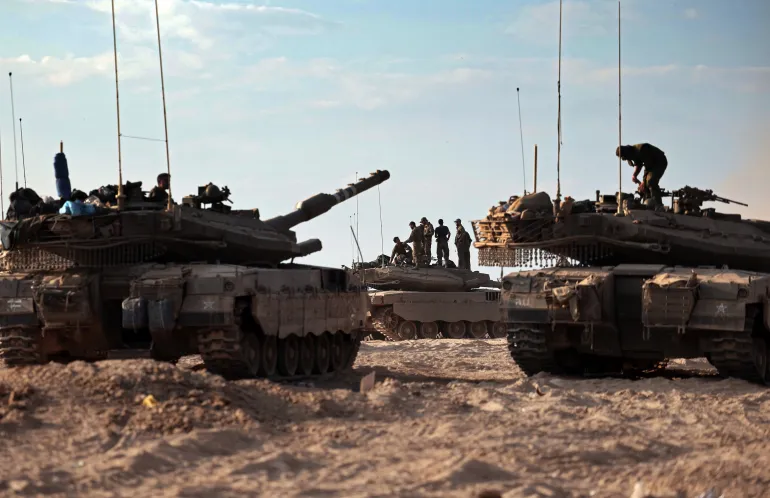
Israeli media outlets embed this trauma through endless repetition. The attack justifies everything since, including the suffering in Gaza. More than 73,000 Palestinians have died. Lev Grinberg, a sociology professor at Ben Gurion University, called the massacre a new Holocaust immediately after it happened. He argued that the criminal genocidal reaction was seen as legitimate without recognizing innocent suffering.
No one wanted to see the images of Palestinian suffering," according to a stark admission that highlights how the media collaborated with neglect by hiding casualty photos from the public eye. This silence created a vacuum where damage went unreported and pain went unseen.
Ayala Panievsky, an Israeli academic and media analyst based in London, puts the trauma at odds with reality for most Israelis. She describes October 7 as the worst day in the country's history, a date that haunts public opinion and strikes at the very basic sense of safety people feel. Her words point to an institutional failure across the government and security services when they faced this attack.
The fact that these elections will be defined by October 7 is not surprising really. The problem remains that none of the horrors that followed in Gaza have penetrated the public conversation in Israel, she added. That single story dominates the Israeli media landscape. So there is little interest and little information out on Gaza available to anyone who asks. This absence is not at all part of the conversation around the upcoming elections right now.
Photos