Netanyahu and Eisenkot Deadlocked as Israeli Vote Leaves No Clear Majority
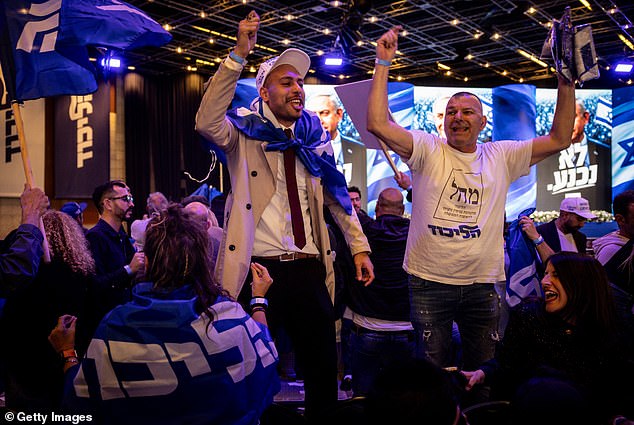
Deadlock. That is the word hanging over Jerusalem as Israel digests the latest exit polls. Prime Minister Benjamin Netanyahu and his chief challenger, Gadi Eisenkot, are locked in a stalemate, each insisting they hold the mandate while the numbers tell a different story: no clear winner. Both men rushed to claim victory for their respective camps following Tuesday's vote, but the Central Elections Committee is still counting. Definitive results, the first since the Hamas-led attack on October 7, 2023, likely won't land until Thursday.
The data coming in suggests a gridlock that could define the next phase of Israeli politics. With roughly 48.4 percent of ballots tallied, media reports indicate Netanyahu's bloc is tracking for 55 seats. Eisenkot’s camp sits at 50. Arab parties are projected to grab 15. These figures are fluid, sure, but they paint a grim picture for both contenders. Neither side has the 61 seats required to command a majority in the 120-seat Knesset. Consequently, neither Netanyahu nor Eisenkot has declared outright victory.
This impasse might actually serve Netanyahu’s long-term interests. While the projected shortfall looks like a blow to his nationalist-religious coalition, a prolonged deadlock keeps the 77-year-old in office as caretaker prime minister. He remains in the chair while coalition talks drag on, or even until another election cycle kicks off. It is a tactical advantage wrapped in political paralysis.
The path to power is blocked by hard ideological walls. Netanyahu’s bloc refuses to form a government with Arab parties. Those Arab parties, for their part, campaigned specifically to unseat the prime minister and his far-right allies. Eisenkot, leader of the Yashar party and a former military chief, has done the same. He has all but ruled out an alliance with Arab parties. That decision complicates his route to the premiership just as much as it does Netanyahu’s.
Inside Netanyahu’s coalition, the far-right religious factions led by Itamar Ben-Gvir and Bezalel Smotrich are projected to secure a combined 13 seats. Notably, neither leader is seeing major gains in this tally. The political center of gravity remains tight.
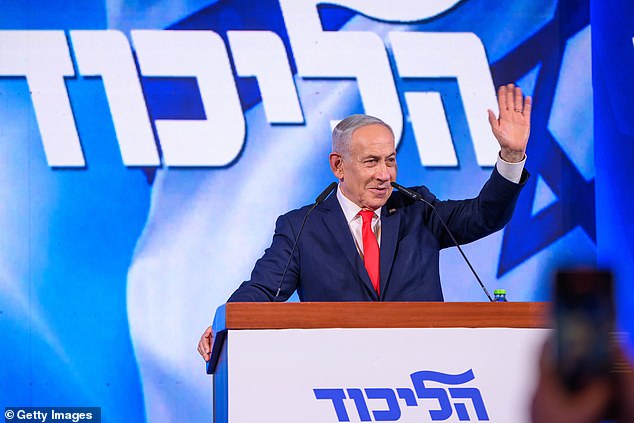
At the Likud headquarters in Jerusalem, past 3 a.m., Netanyahu addressed his supporters. He demanded the formation of "a strong, right-wing national government." The speech pivoted to military triumphs and foreign policy. He invoked a specific historical window, pointing to a joint operation with US President Donald Trump. "Israel faces a singular historical opportunity, together with our partner President Trump, to remove the existential threat of Iran once and for all. But ulterior motives must not divert us from this sacred mission," he stated.
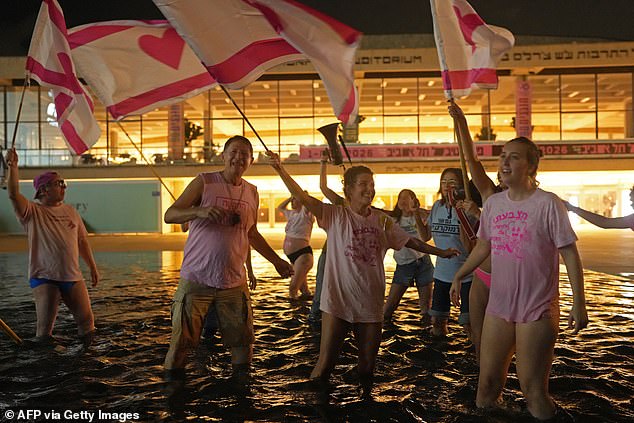
Trump, who had publicly endorsed Netanyahu, weighed in early Wednesday after a trip to Texas. Asked about the election, he praised the outcome. "You know, it's pretty close, which was very well. Because I think when the endorsement went out, it helped him a lot, but I actually heard he did pretty well. It might be winning or tie." The scene in Tel Aviv told its own story as people sprayed sparkling wine to celebrate early exit poll results, while Likud faithful sang and cheered in Jerusalem. Two cities, two narratives, one nation waiting for the dust to settle.
Voter turnout hit 77.7 per cent, the highest mark in over twenty years and roughly seven percentage points above the 2022 figure, according to Israel's Central Elections Committee. The numbers tell a story of intense engagement. Emotions ran high across the country on Tuesday. In Jerusalem, a voter who traveled from kibbutz Nirim, the site of the October 7 attack, told the Daily Mail: "This is critical, and it's never been as critical."

Netanyahu pushed hard throughout the day, urging his base to head to the polls. He framed the vote as an "emergency" and a "matter of life and death." Yet, former military chief Gadi Eisenkot struck back. He argued the public had effectively voted for Netanyahu's departure, urging him to retire from politics. "Netanyahu is a caretaker prime minister, without a mandate or the people's trust," Eisenkot said. He warned against leveraging Israel's security apparatus for political gain and called on the security establishment to "stand firm" against any effort to prioritize political interests over national safety. In his view, the tie in that specific context acts as a win. "The tie is sort of considered a win in that case because it's a big chess match," he noted.
Tensions flared in Kiryat Shmona, a Netanyahu stronghold near the Lebanese border. A man there kicked and tore down a poster featuring Eisenkot, the prime minister's leading rival. In Tel Aviv, the mood was somber. Families of those killed in the 2023 Hamas-led attack and families of former hostages paused for a moment of silence. Yona Adam, the mother of Mapal Adam, who was killed, offered a poignant reminder: "Remember all those whose voices are no more."
Opinions remained sharply divided at a polling station set up in a Jerusalem school. Some voters sought change; others clung to the status quo. Nisim Cohen, a reservist, defended the incumbent. "He's not responsible for October 7," Cohen said. He wants Netanyahu to win and continue the wars in Gaza, Lebanon, and with Iran until Israelis can sleep peacefully. Zipporah Bennett, an 85-year-old retiree, also cast her vote for Netanyahu. She cited his experience in "navigating the country through a lot of difficult seasons," praised his support from the US, and added: "He's a man who's not afraid to take action." Not everyone shared that sentiment. Alexandra, a 65-year-old voter in Jerusalem, stated simply: "I want change in our country.
I want a good democratic centrist government."
That simple declaration hung heavy in the air as Israel’s fractured political machinery ground to a halt. Coalition talks often drag on for weeks or months after elections, leaving smaller parties with enormous leverage. They become the kingmakers. If neither bloc can scrape together a majority, another vote might be forced upon the nation. Gadi Eisenkot opposed that outcome. Voter turnout had been high. He wanted stability, not a rerun.
The Israeli shekel dipped modestly in response to the indecisive result. Projections suggest Netanyahu's right-wing coalition is stuck. At its peak, it held 68 seats. Governing requires 61. That sounds like a win, but the math has shifted. He lacks a clear path to form a government now.
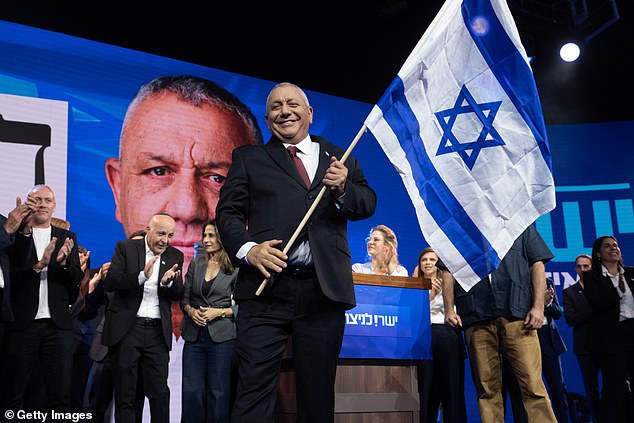
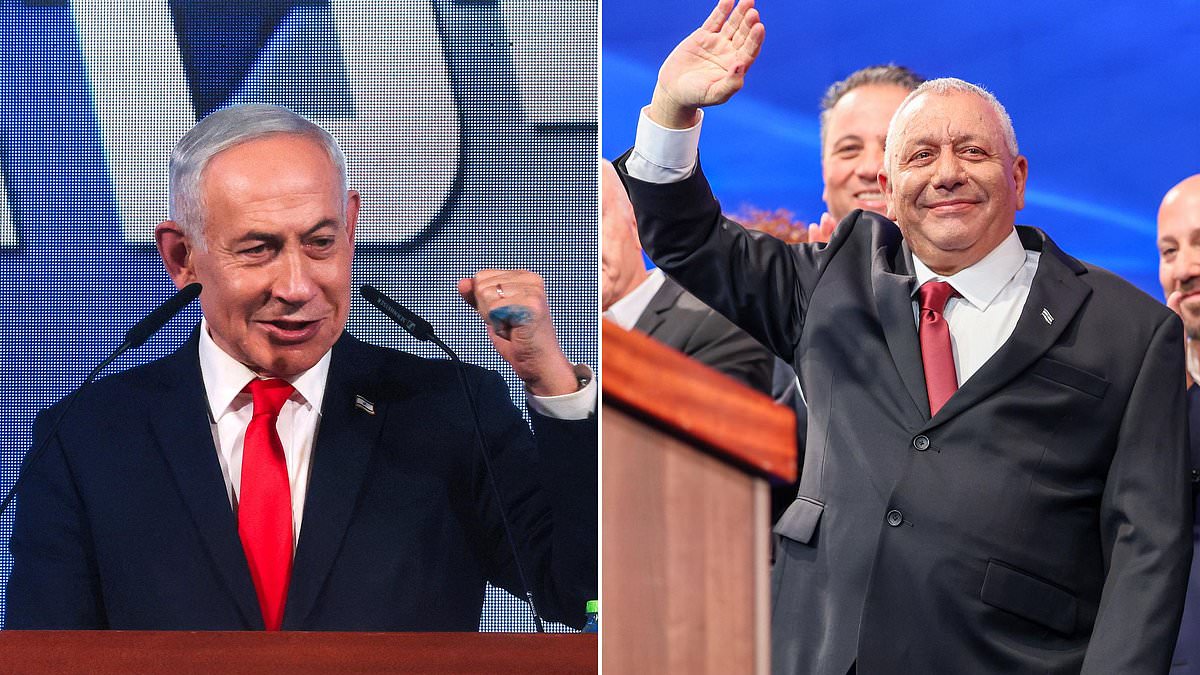
Eisenkot, 66, emerged as the toughest challenger. He lost a son and two nephews in the Gaza war. That grief fueled his campaign. He stressed his security credentials. Yet he positioned himself as a domestic centrist. A break from Netanyahu’s leadership. A break from far-right allies. But not a break from hawkish security policies. Those have only hardened since the 2023 Hamas attack.
He opposes Palestinian statehood. He says Hamas' military wing must be destroyed or dismantled. Yet he calls Israel's response a failure. Why? Because Hamas remains in charge. The war has killed more than 74,000 Palestinians, according to Gaza health authorities. That is the metric Eisenkot cites.
He entered politics just four years ago. He joined Netanyahu's war cabinet after the October 2023 attack. Then he quit eight months later. He criticized the prime minister's leadership. It was a sharp exit.
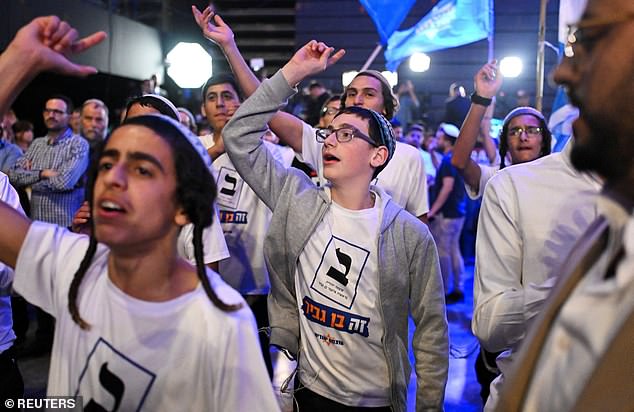
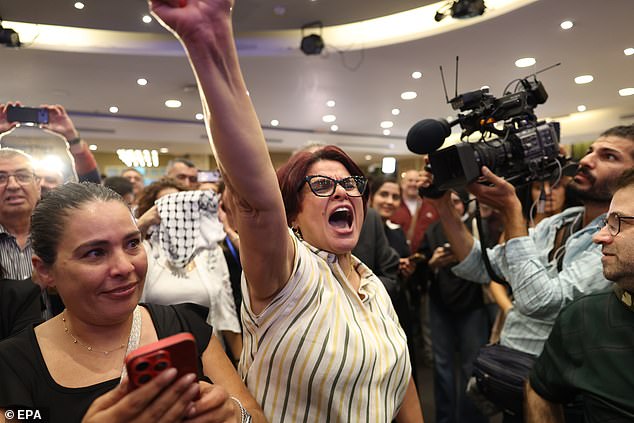
At the Joint List headquarters in Nazareth, whistles and applause erupted when exit polls dropped. It was a historic night for turnout among Palestinian citizens of Israel. Faten Gattas, a candidate in the alliance, addressed the crowd. "We refuse the occupation and racism, and we will remain here," she said. Candidates hoped this high Arab turnout would let them block Netanyahu's return to power.
Voters are still grappling with trauma. They remember Israel's deadliest day. Hamas killed 1,200 people. They took 251 hostages. Wars followed in Gaza, against Lebanon's Hezbollah, and with Iran. The scars are fresh.
Netanyahu was slammed for the country's biggest security failure. He pushed back hard. He argued he made Israel and the world safer. He claims credit for killing top leaders of Hamas, Hezbollah, and Iran. His right-wing coalition has divided the nation at home. It has deepened Israel's international isolation. But he portrays himself as the only leader with the mettle to face down Israel's foes.
Netanyahu is 77. He has served as prime minister for nearly 19 of the past 30 years. He has survived political crises time and again. Opponents have wrestled the premiership from him only once since 2009. That required four inconclusive elections in two years. Eighteen months later, he was back in power.
He entered this election facing long-standing corruption charges. He denies them all. Critics also point to intelligence failures. Those failures allowed Hamas-led militants to carry out their attack. The questions remain unanswered. The coalition talks have just begun.
Photos